Alocasia
Alocasia is a Southeast Asian and Australasian genus grown for shield-shaped (sagittate to peltate) leaves, ranging from small, dark 'jewel' species under 30cm to trunked giants over 2m tall. Many of the most collected forms are variegated sports — spontaneous white or cream sectoring that arose in tissue culture and is propagated as a distinct, unstable line from the plain-leaf parent.
Species & Cultivars
98
Price Range
£5 – £300
Median Price
£18
Most Traded Alocasia
Alocasia 'Sarian' Albo →Care Notes
- Most Alocasia are semi-dormant through winter in UK conditions — reduced watering and some leaf drop during this period is normal, not a sign of a sick plant.
- Jewel species (under 30cm) generally want higher humidity than the large-leaved giants, which tolerate drier indoor air better.
- Variegated forms are less vigorous than their plain-leaf parent and more prone to reverting or losing the variegated line entirely if stressed.
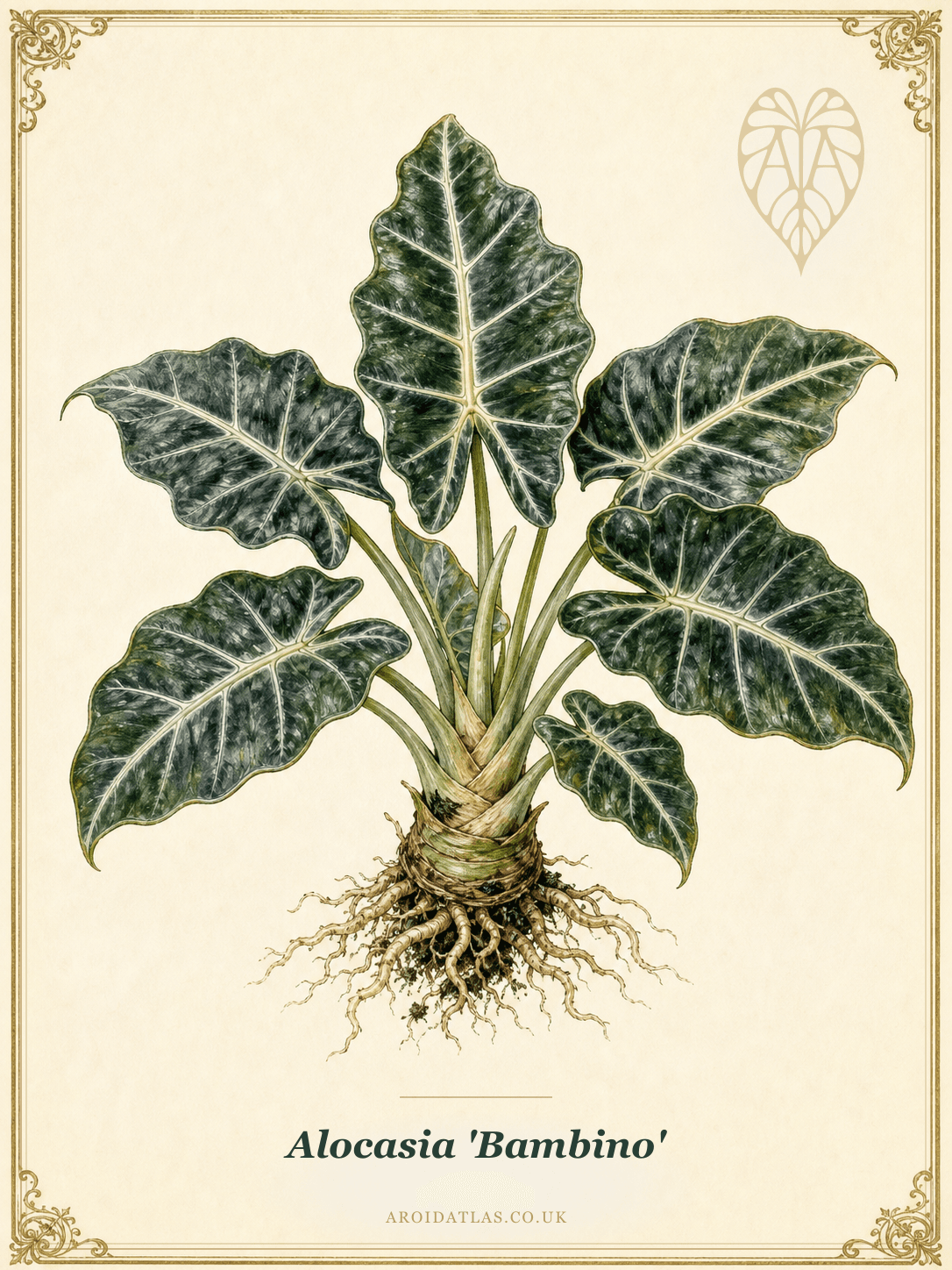
Alocasia 'Bambino'
Bambino Dwarf Elephant Ear
£12 AA PriceAlocasiaHybridBase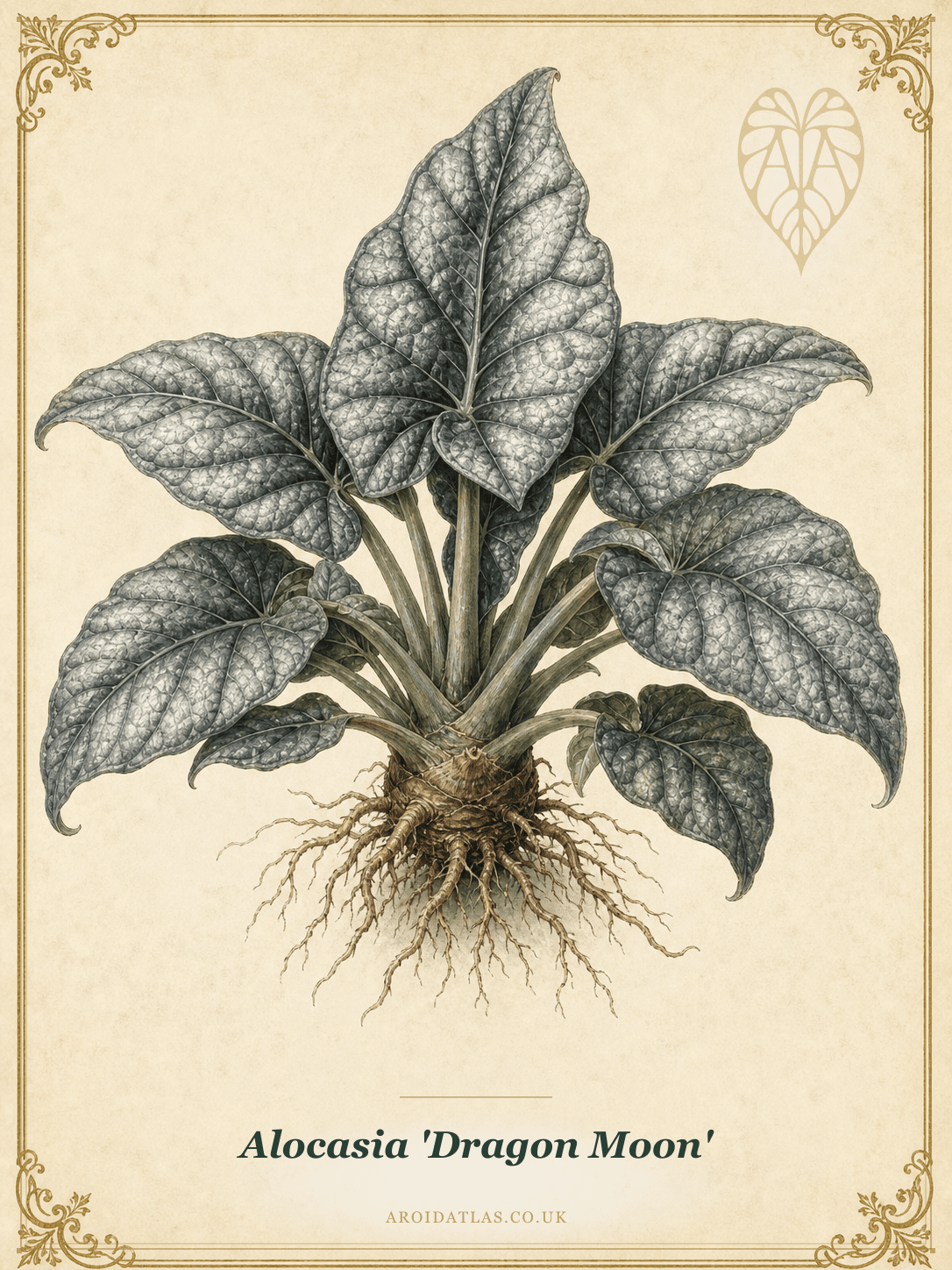
Alocasia 'Dragon Moon'
Dragon Moon Alocasia
££ · UncommonAlocasiaHybridBase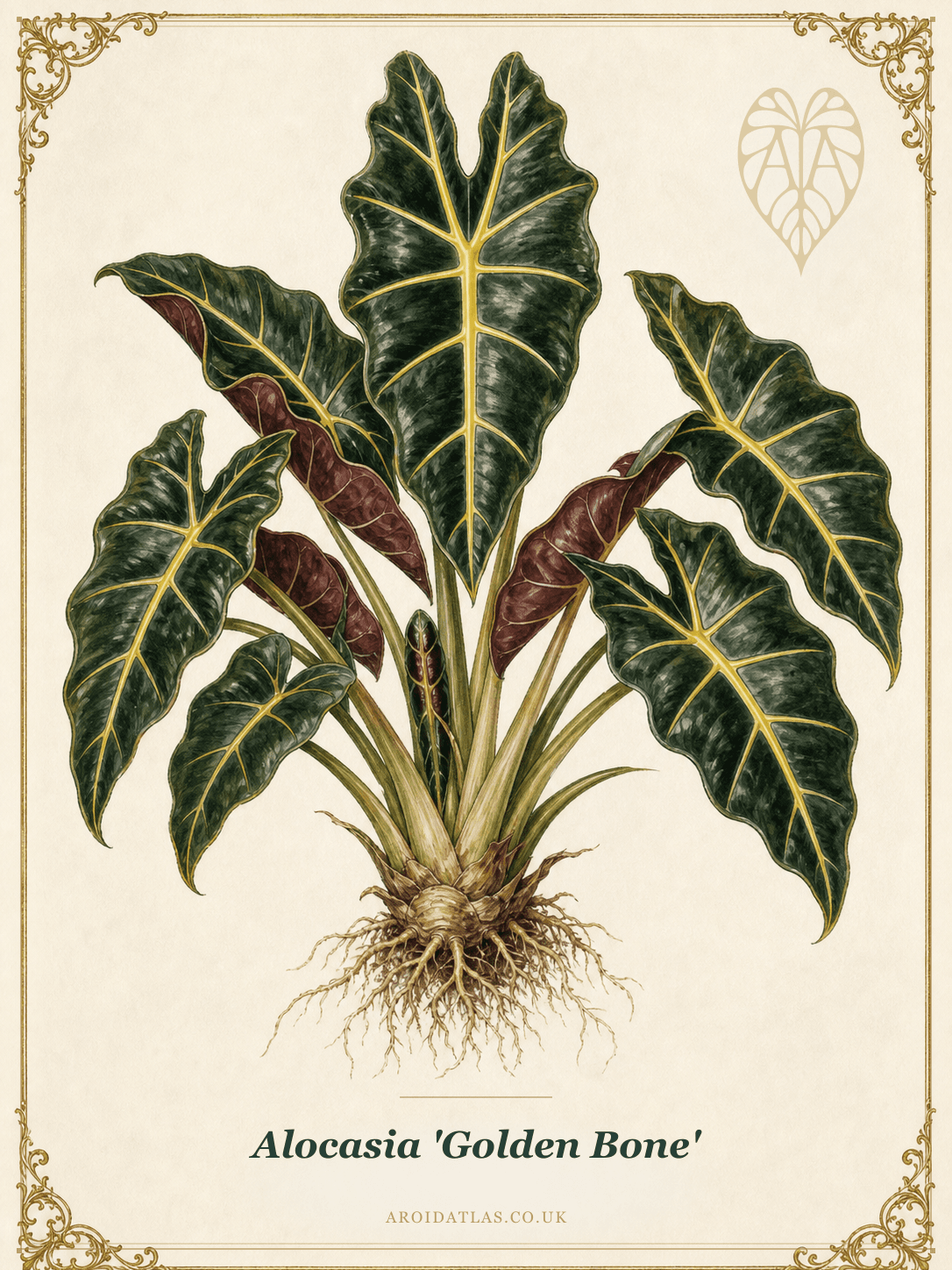
Alocasia 'Golden Bone'
Golden Bone Alocasia
£11 AA PriceAlocasiaHybridBase
Alocasia 'Loco'
Loco Alocasia
£23 AA PriceAlocasiaCultivarBase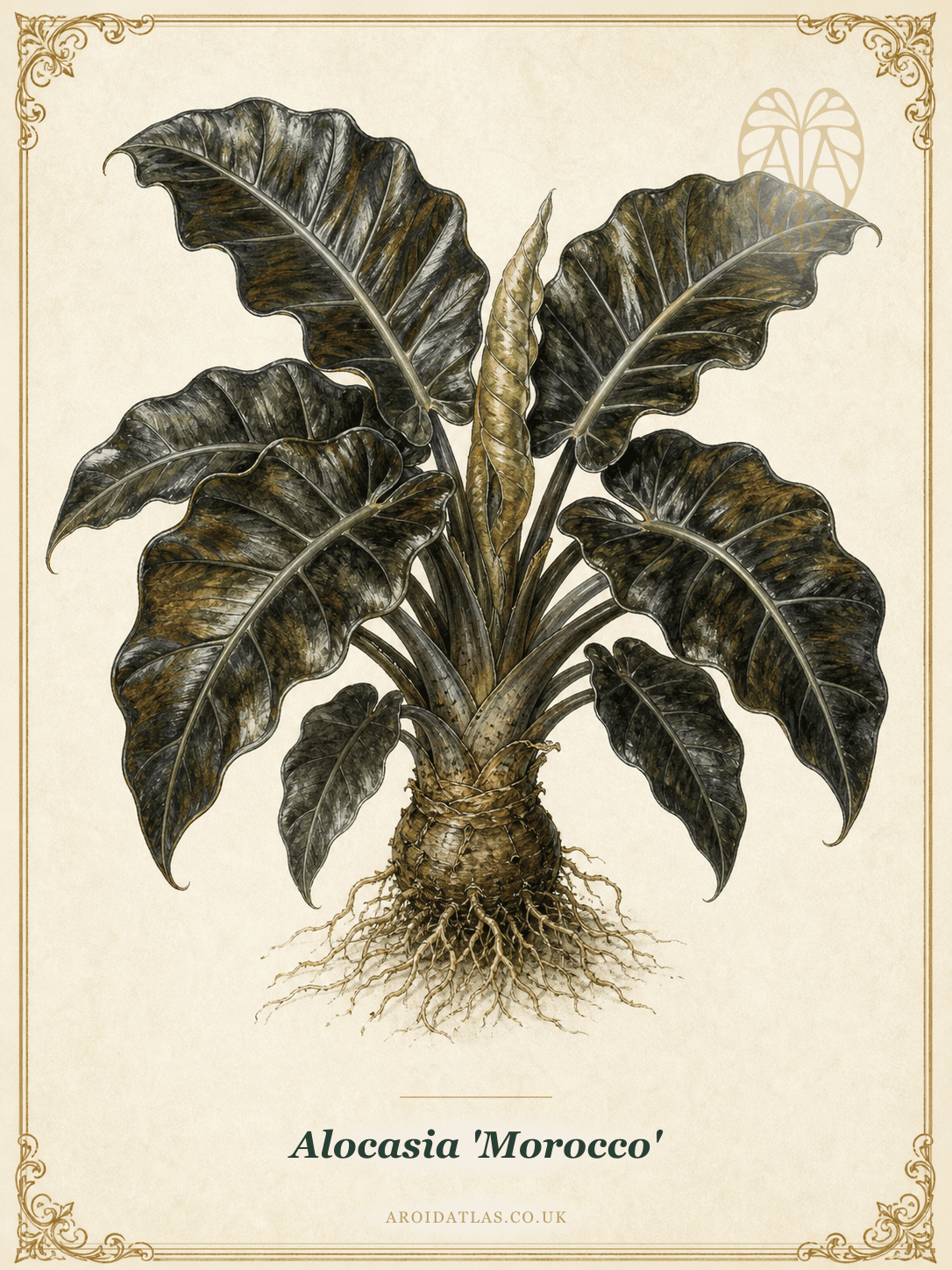
Alocasia 'Morocco'
Morocco Alocasia
£££ · RareAlocasiaHybridBase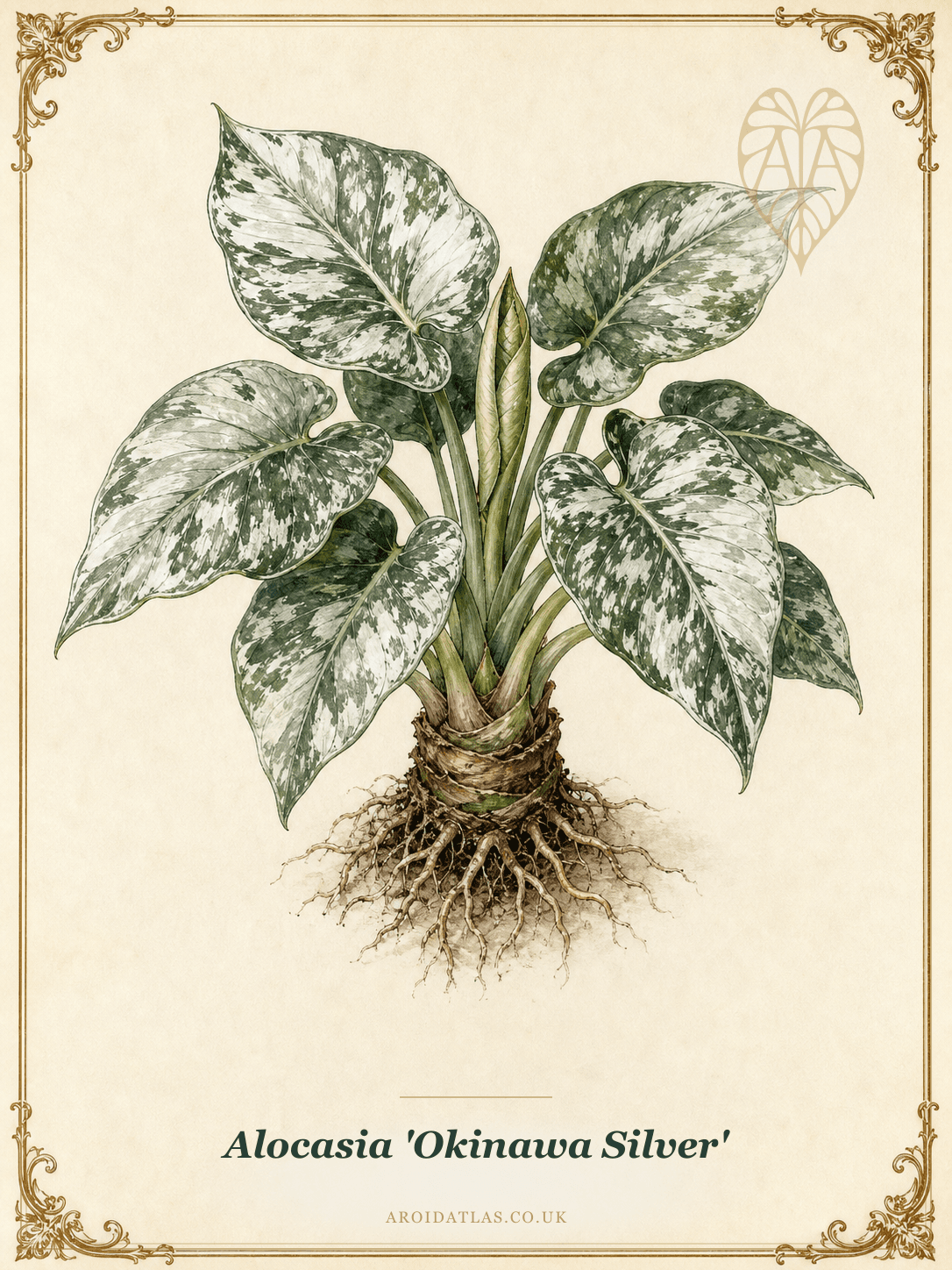
Alocasia 'Okinawa Silver'
Okinawa Silver Alocasia
£46 AA PriceAlocasiaCultivarBase
Alocasia 'Purple Cloak'
Purple Cloak Alocasia
££ · UncommonAlocasiaCultivarBase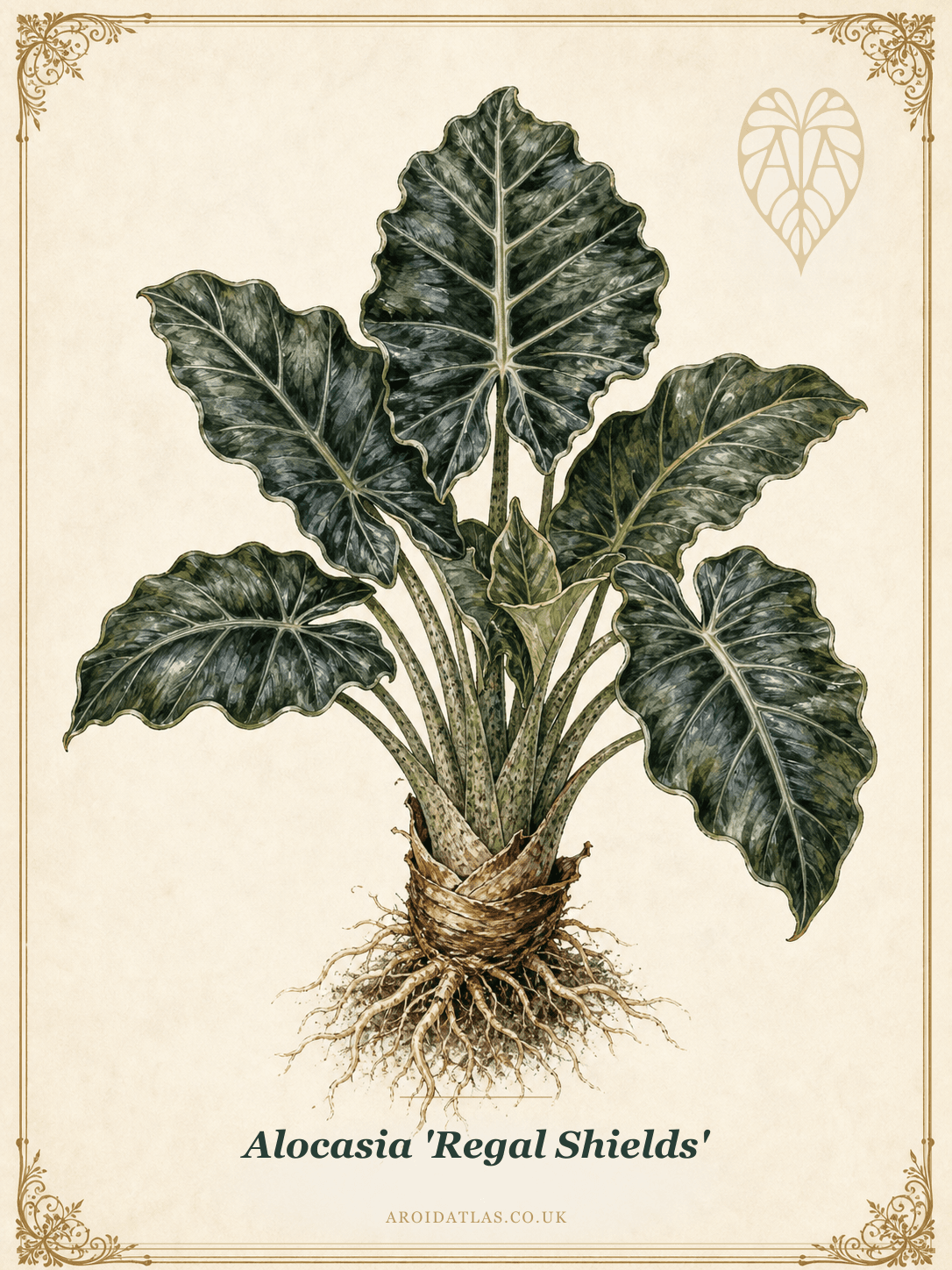
Alocasia 'Regal Shields'
Regal Shields Elephant Ear
£21 AA PriceAlocasiaHybridBase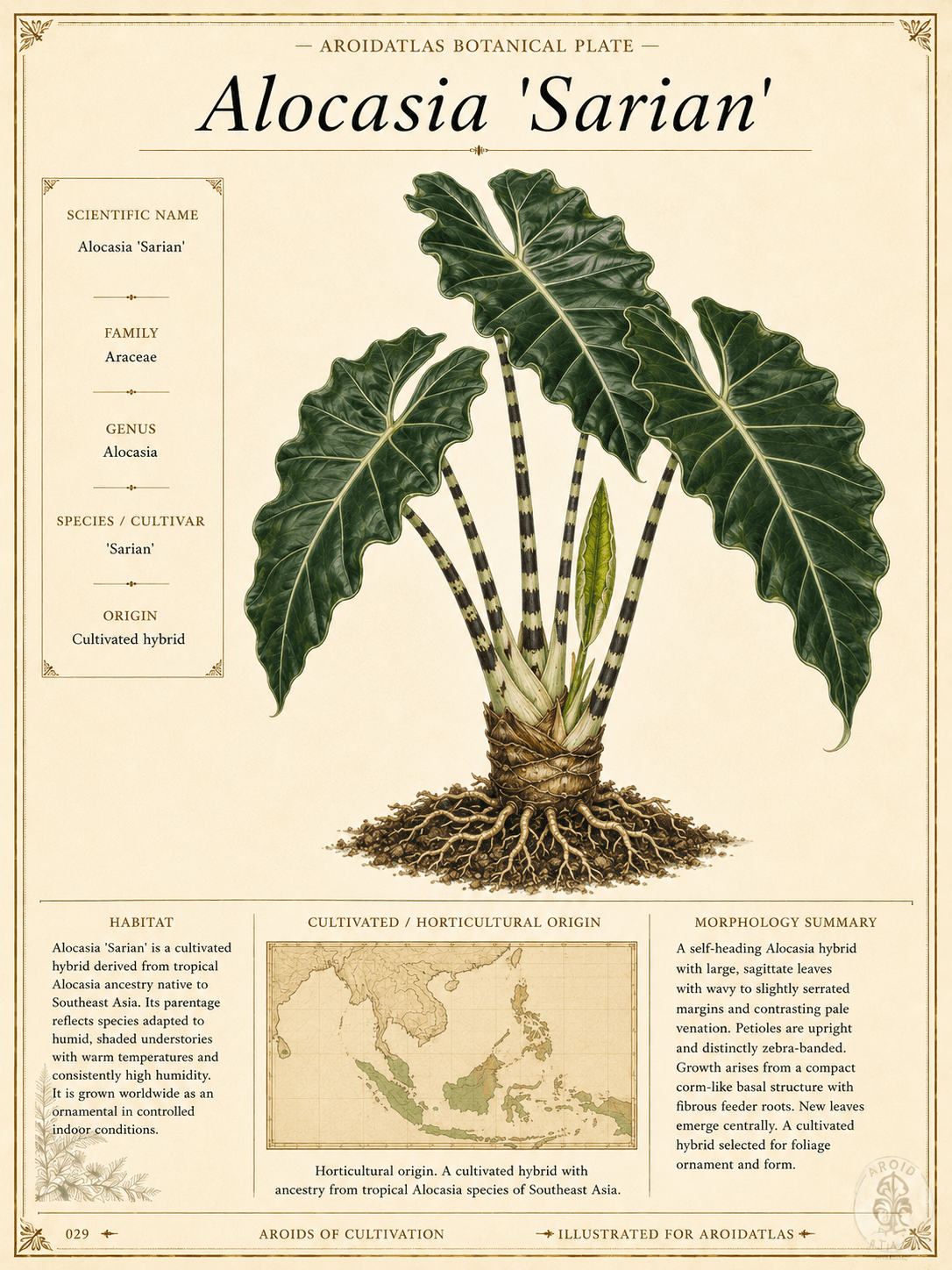
Alocasia 'Sarian'
Sarian Alocasia
£15 AA PriceAlocasiaHybridBase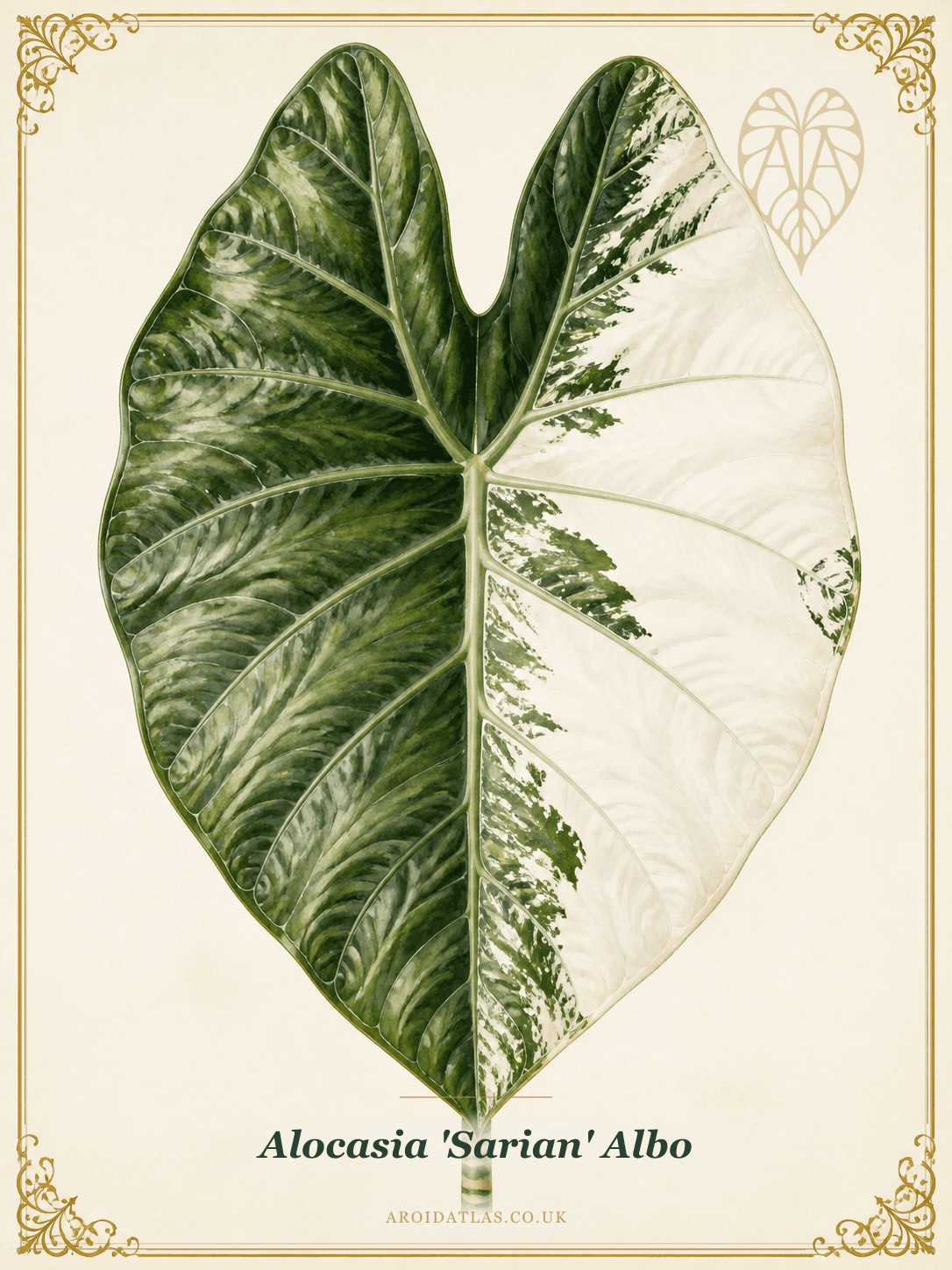
Alocasia 'Sarian' Albo
Albo Sarian Alocasia
£25 AA PriceAlocasiaVariegatedAlbo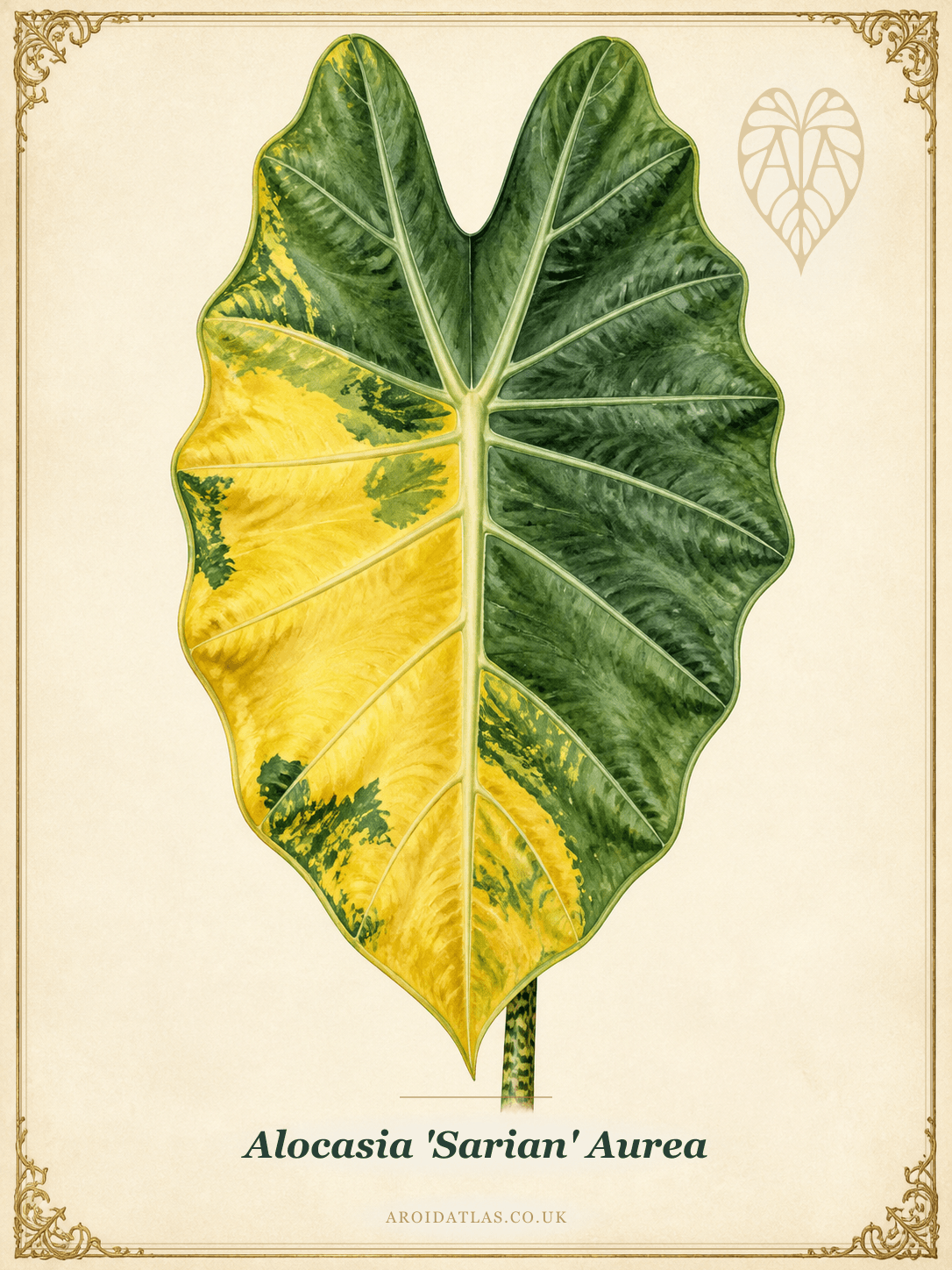
Alocasia 'Sarian' Aurea
Aurea Sarian Alocasia
£21 AA PriceAlocasiaVariegatedAurea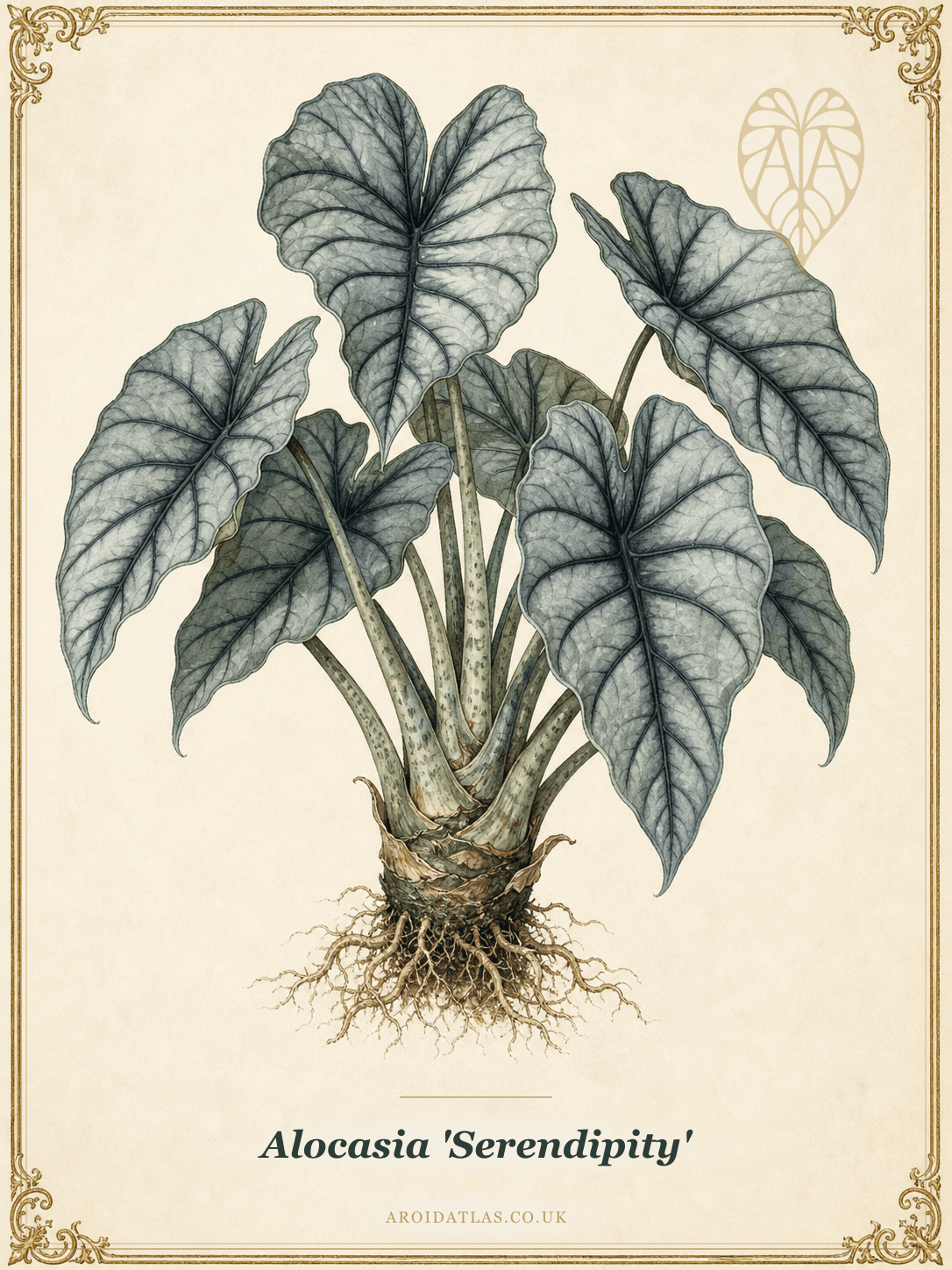
Alocasia 'Serendipity'
Serendipity Alocasia
£££ · RareAlocasiaHybridBase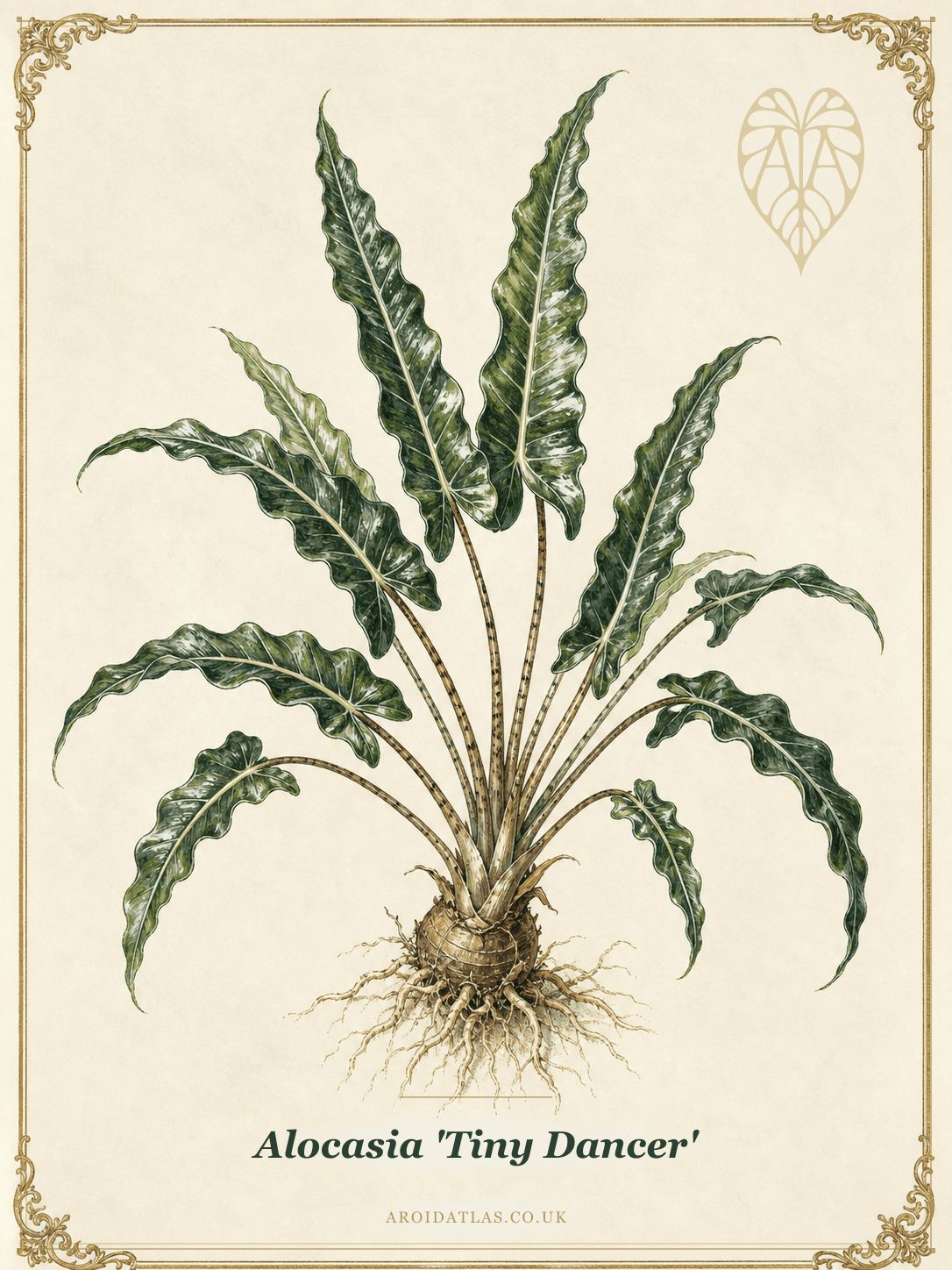
Alocasia 'Tiny Dancer'
Tiny Dancer Alocasia
£16 AA PriceAlocasiaHybridBase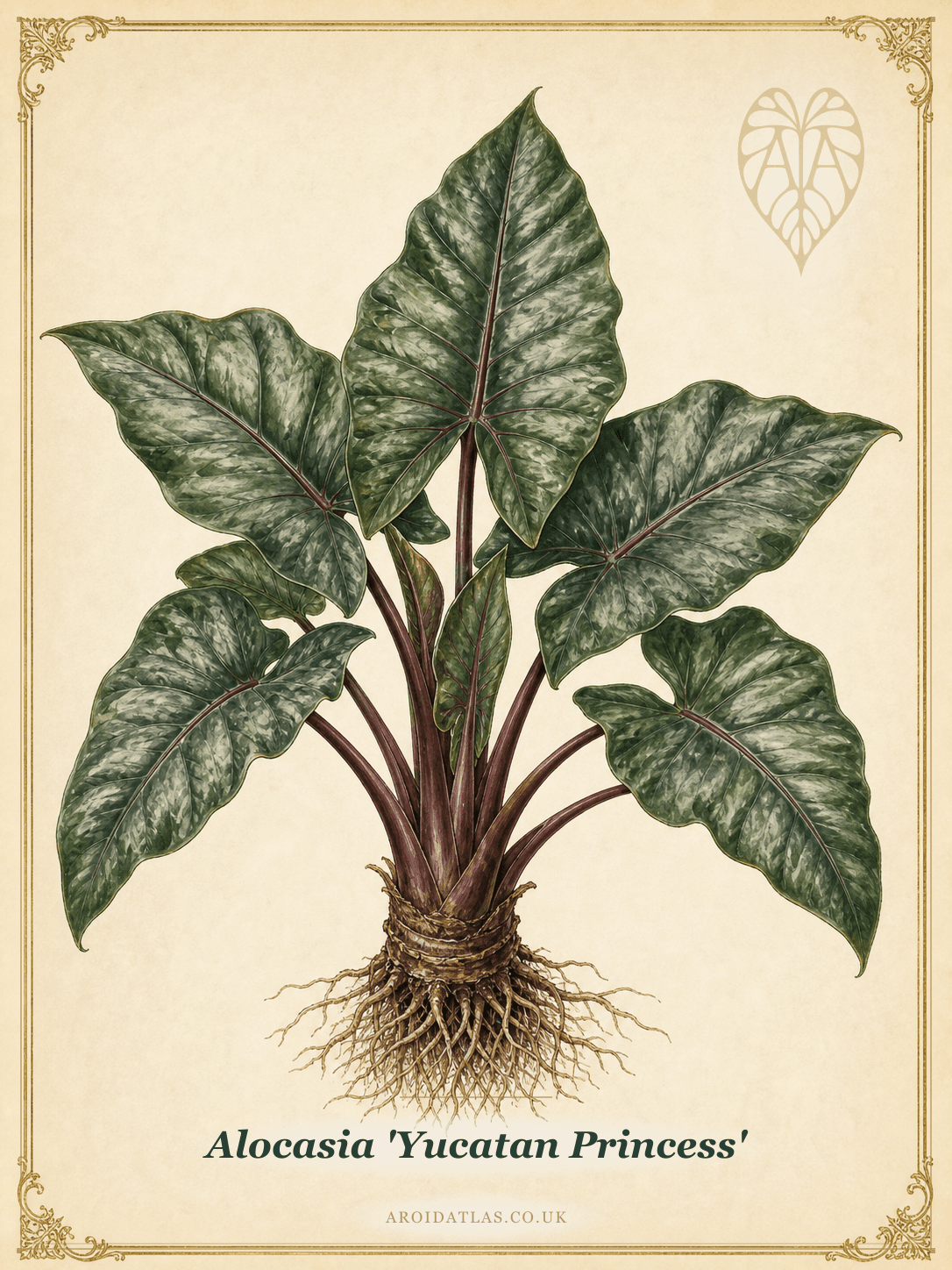
Alocasia 'Yucatan Princess'
Yucatan Princess Elephant Ear
£11 AA PriceAlocasiaHybridBase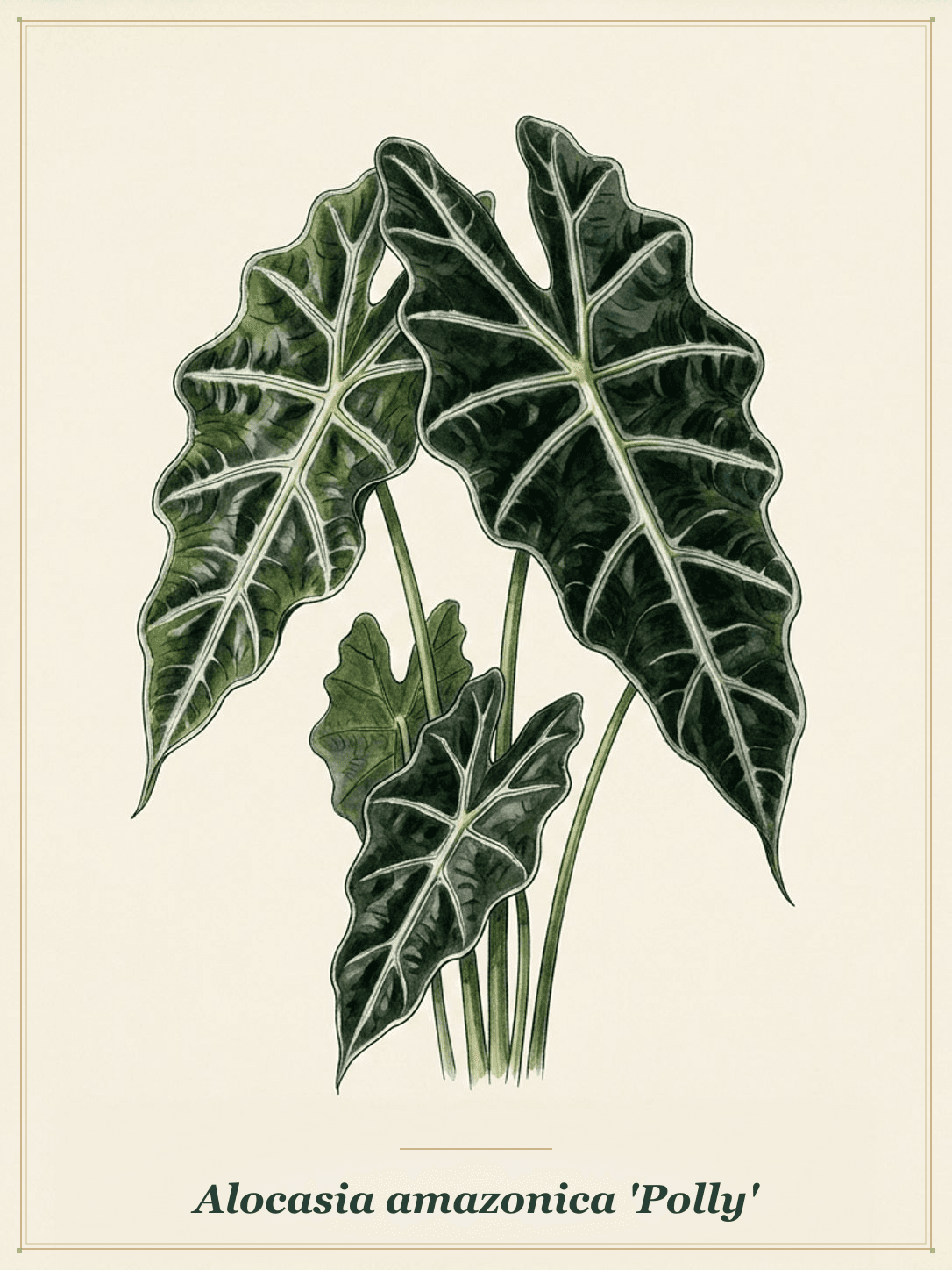
Alocasia amazonica 'Polly'
Amazonian Elephant Ear
£7 AA PriceAlocasiaCultivarBase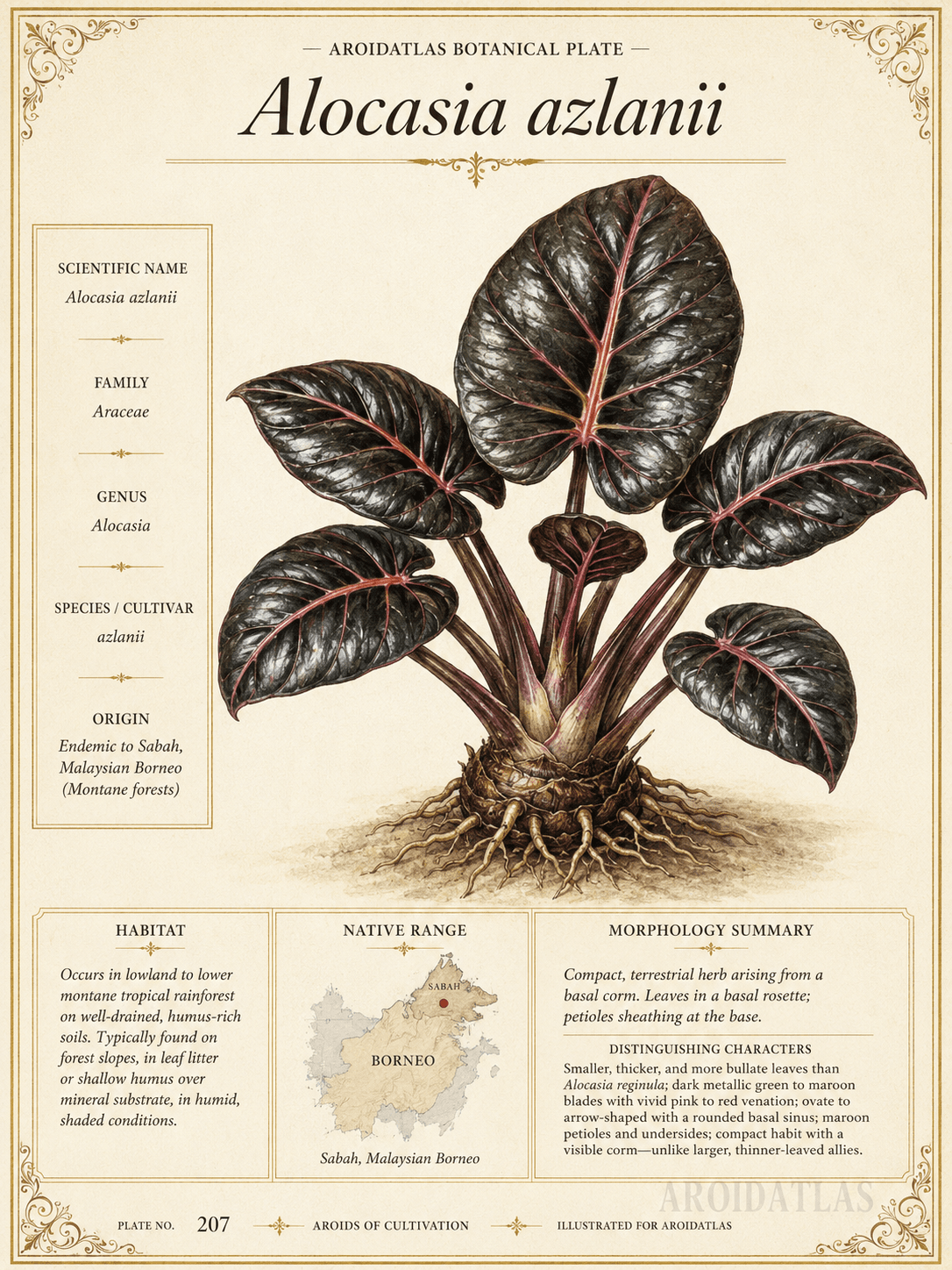
Alocasia azlanii
Alocasia Azlanii
£21 AA PriceAlocasiaWildBase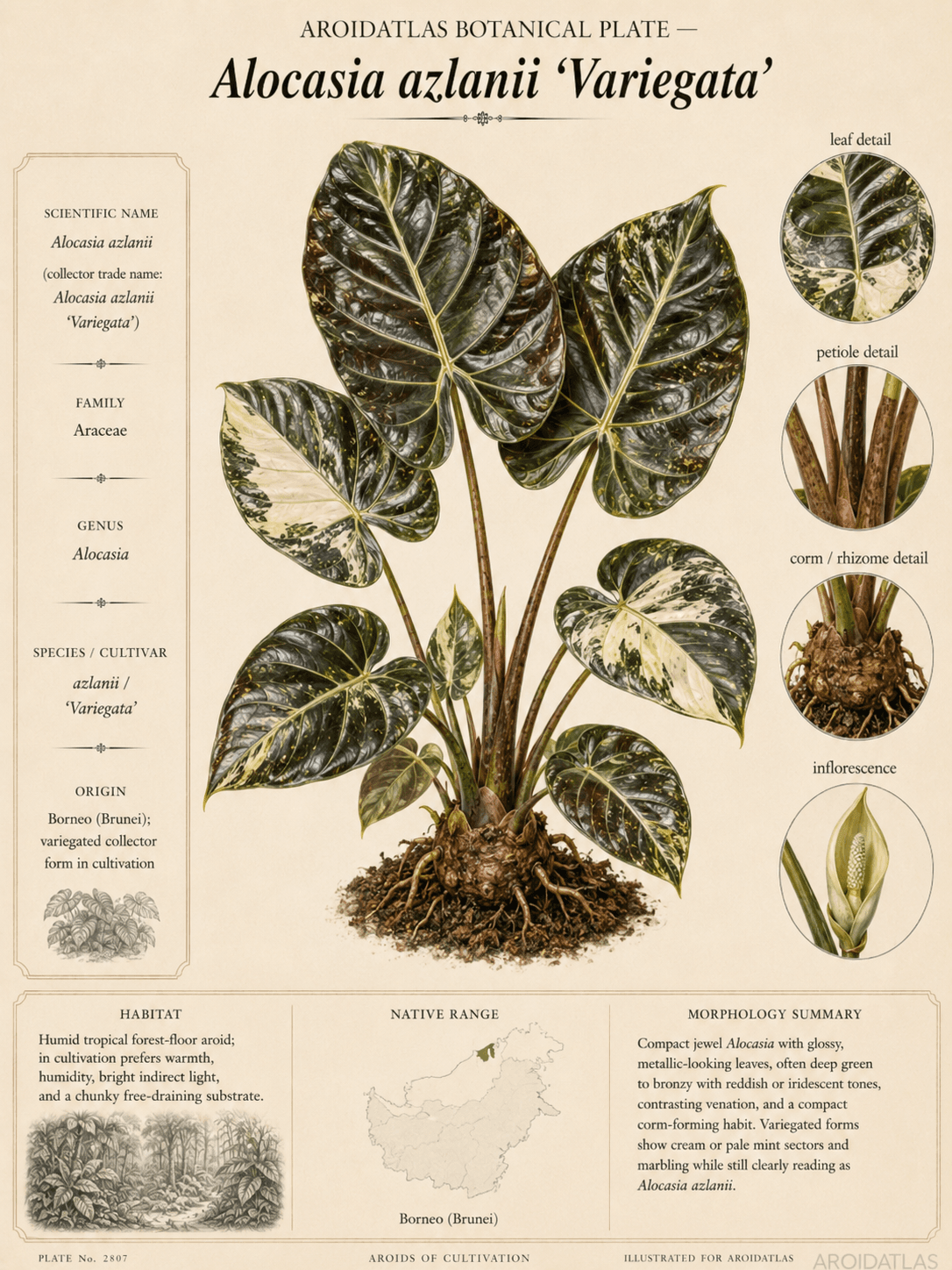
Alocasia azlanii 'Variegated'
Variegated Azlanii Alocasia
£60 AA PriceAlocasiaVariegatedVariegated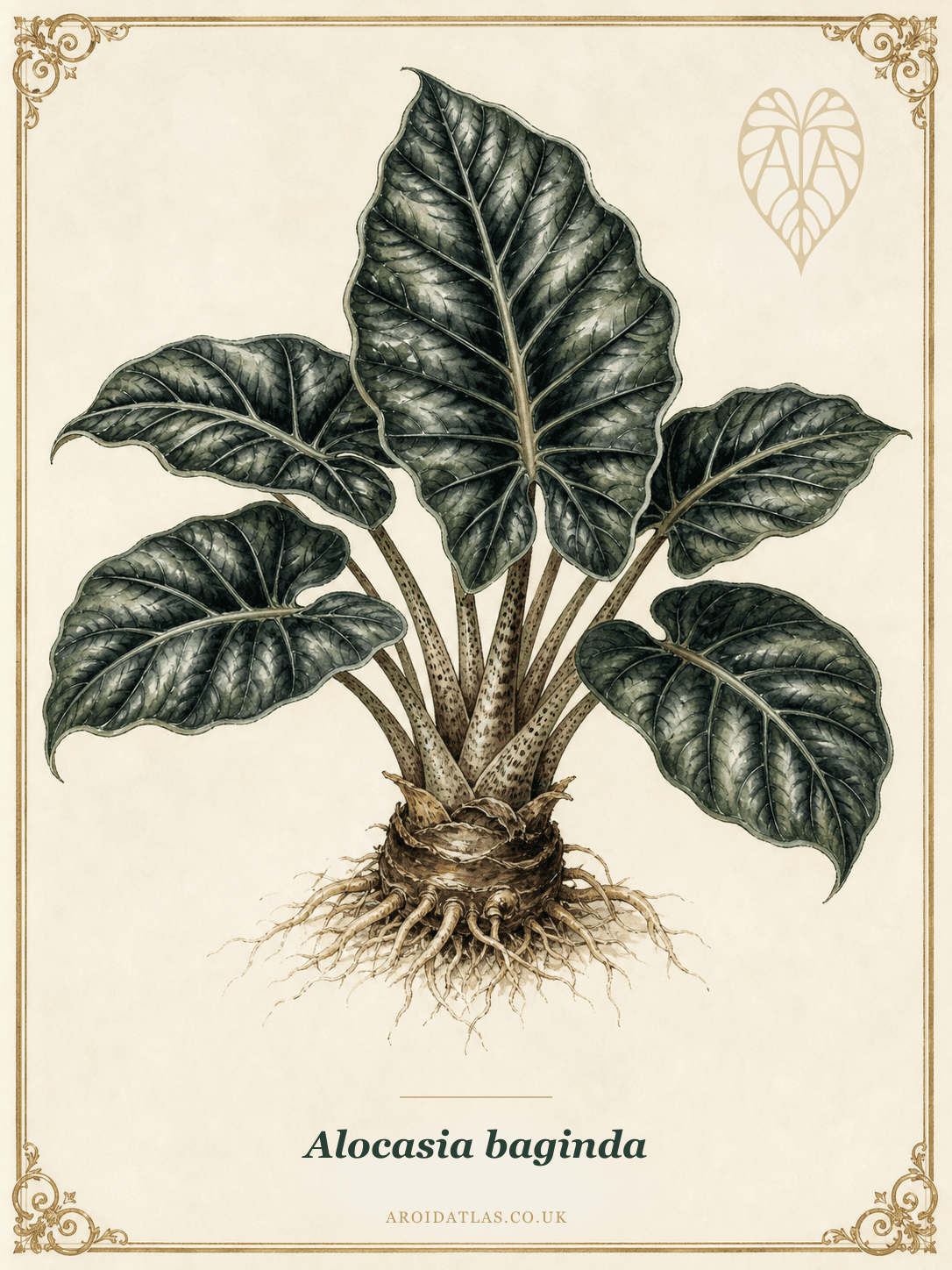
Alocasia baginda
Dragon Scale Alocasia (species)
£18 AA PriceAlocasiaWildBase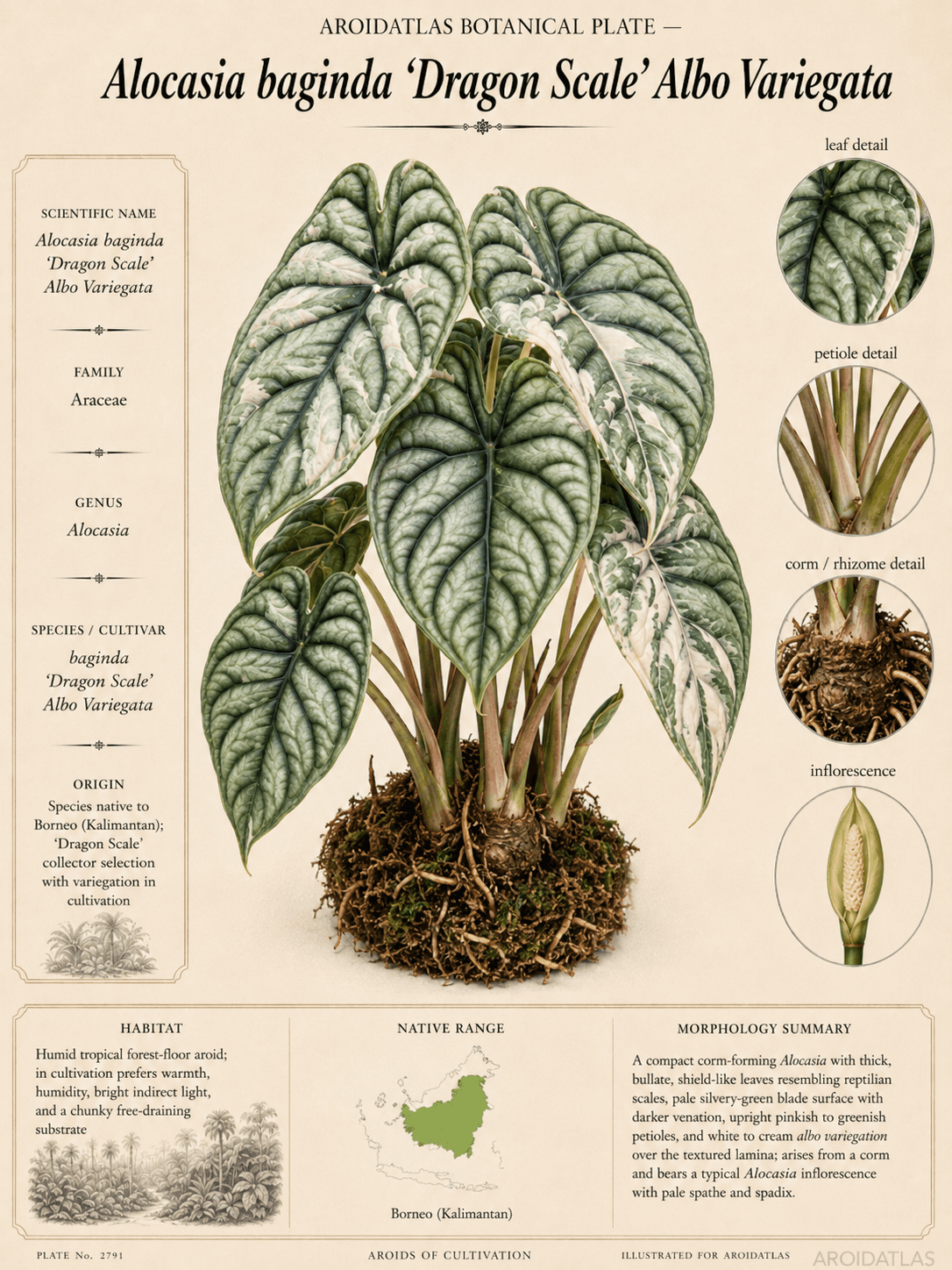
Alocasia baginda 'Dragon Scale'
Albo Variegated Dragon Scale
£30 AA PriceAlocasiaVariegatedAlbo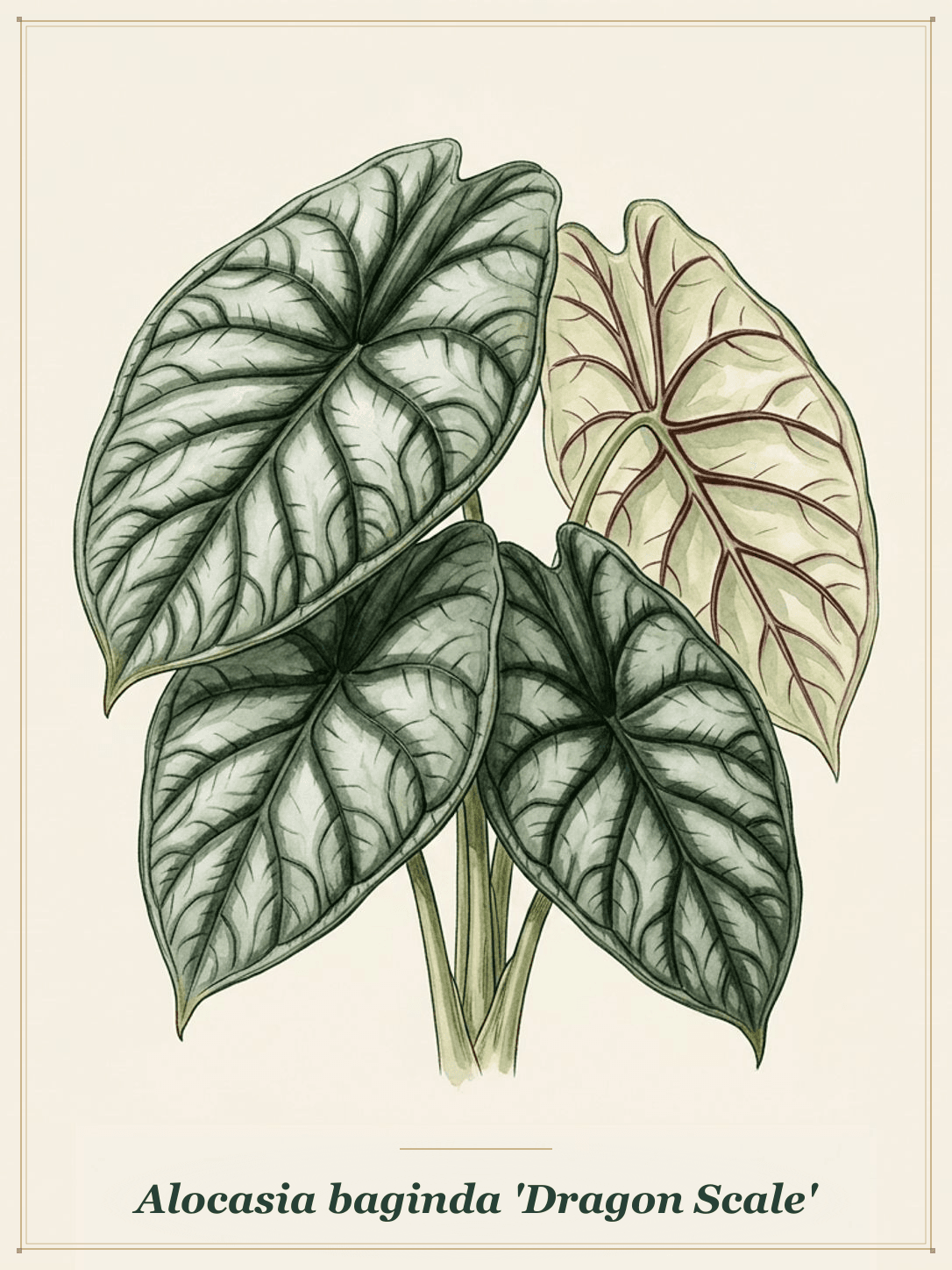
Alocasia baginda 'Dragon Scale'
Dragon Scale Alocasia
£12 AA PriceAlocasiaCultivarBase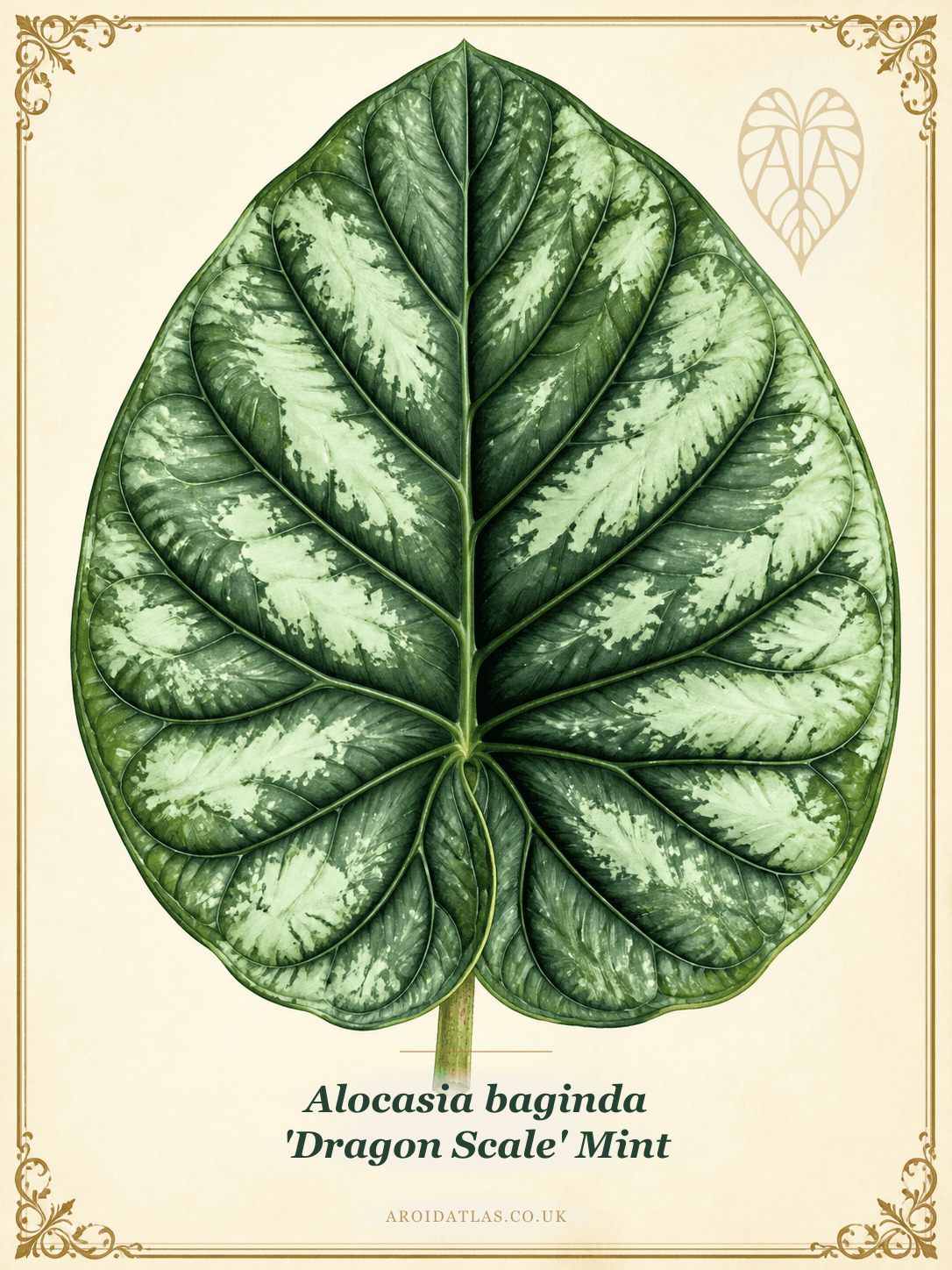
Alocasia baginda 'Dragon Scale' Mint
Marble Mint Dragon Scale
£34 AA PriceAlocasiaVariegatedMint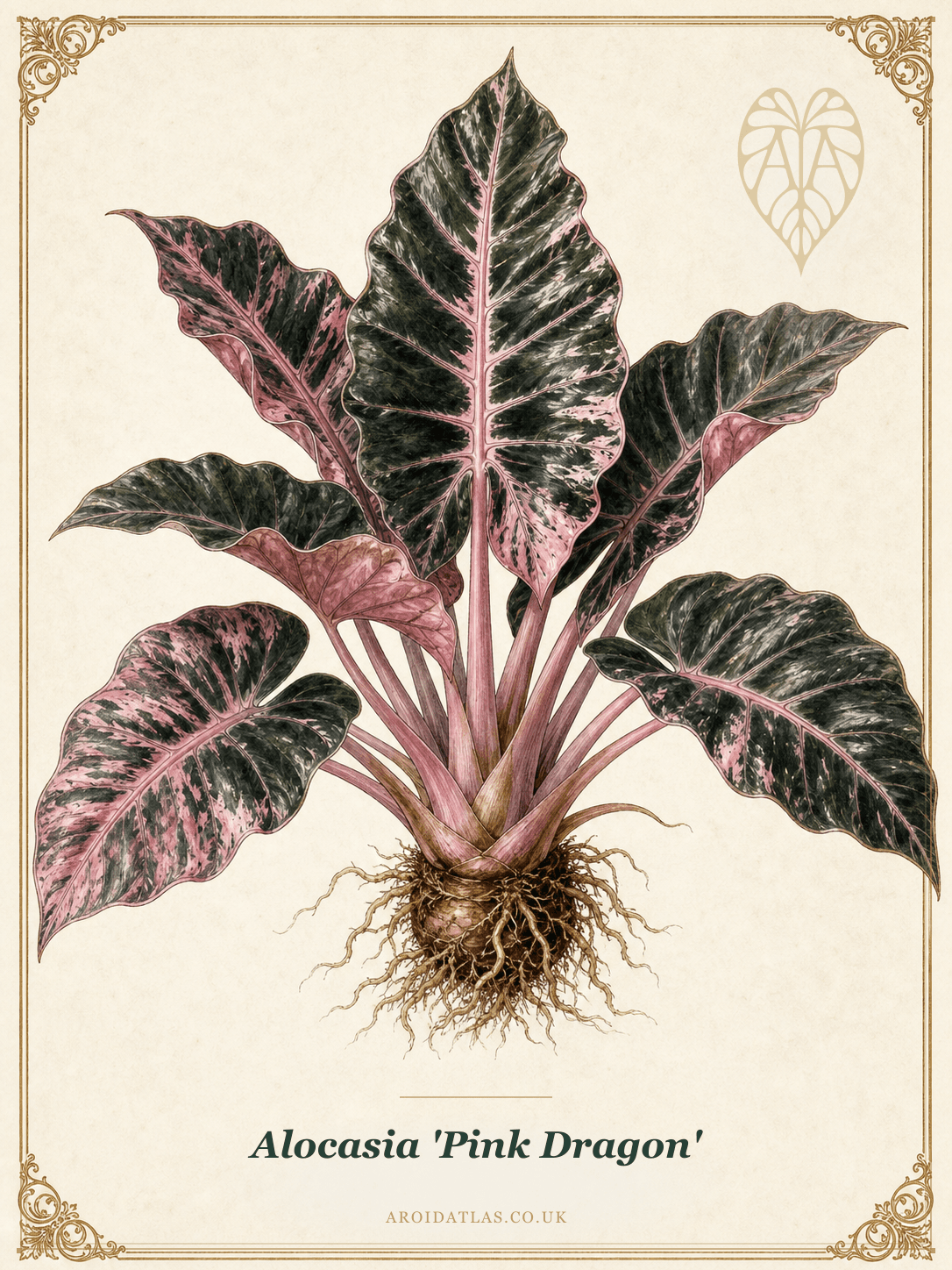
Alocasia baginda 'Pink Dragon'
Pink Dragon Alocasia
£8 AA PriceAlocasiaCultivarPink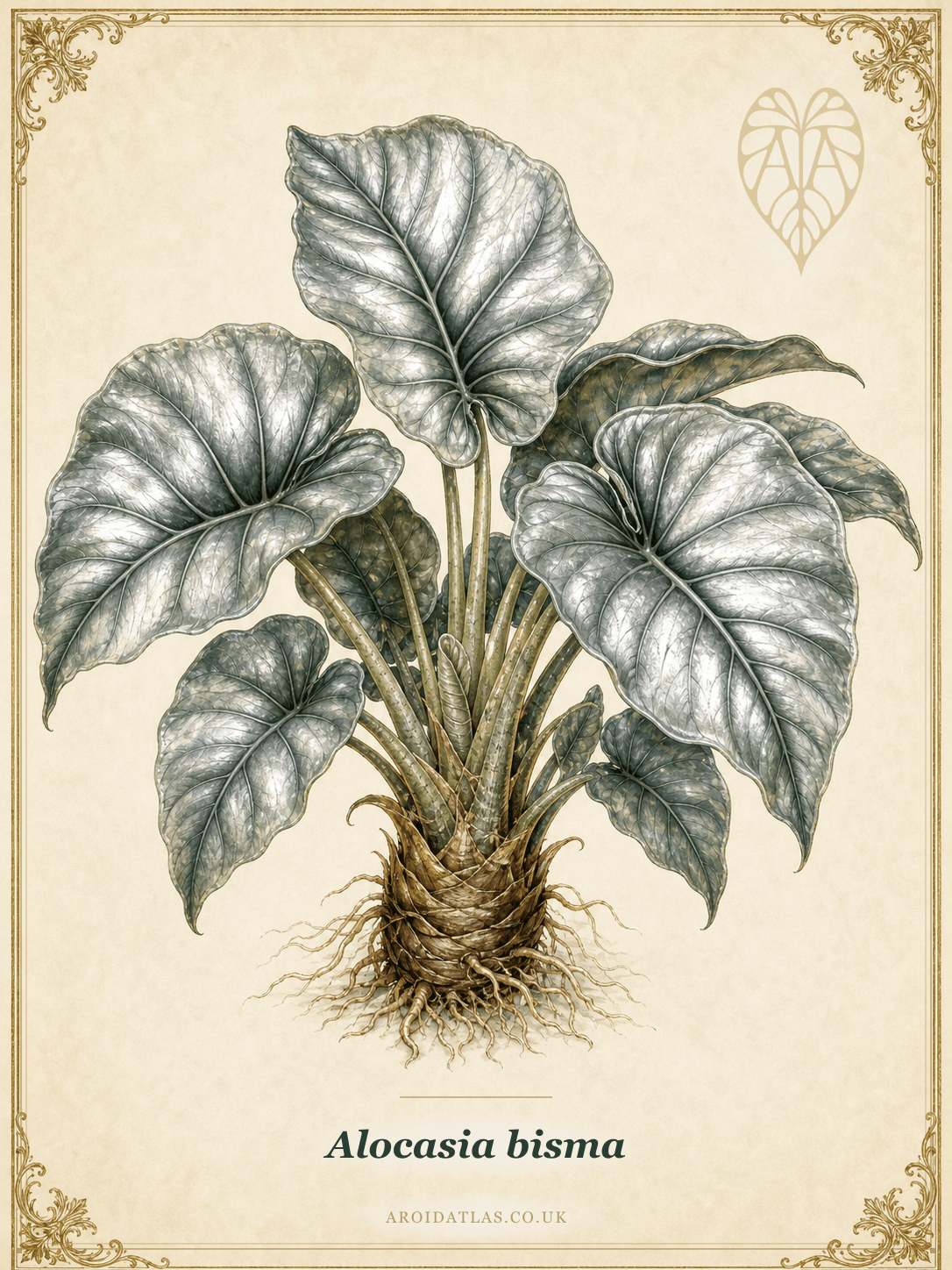
Alocasia bisma
Platinum Alocasia
£14 AA PriceAlocasiaWildBase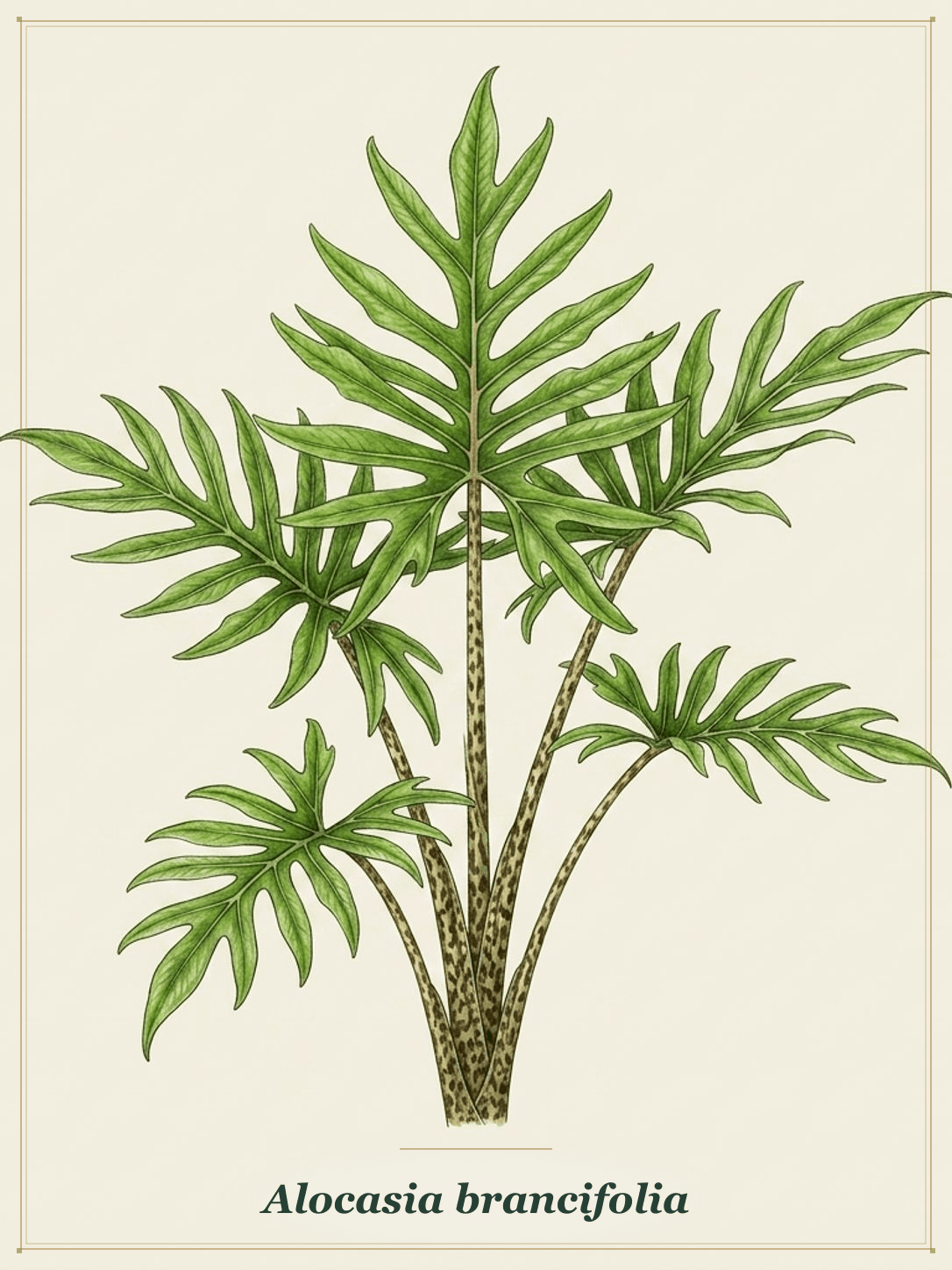
Alocasia brancifolia
Hand-leaf Alocasia
££ · UncommonAlocasiaWildBase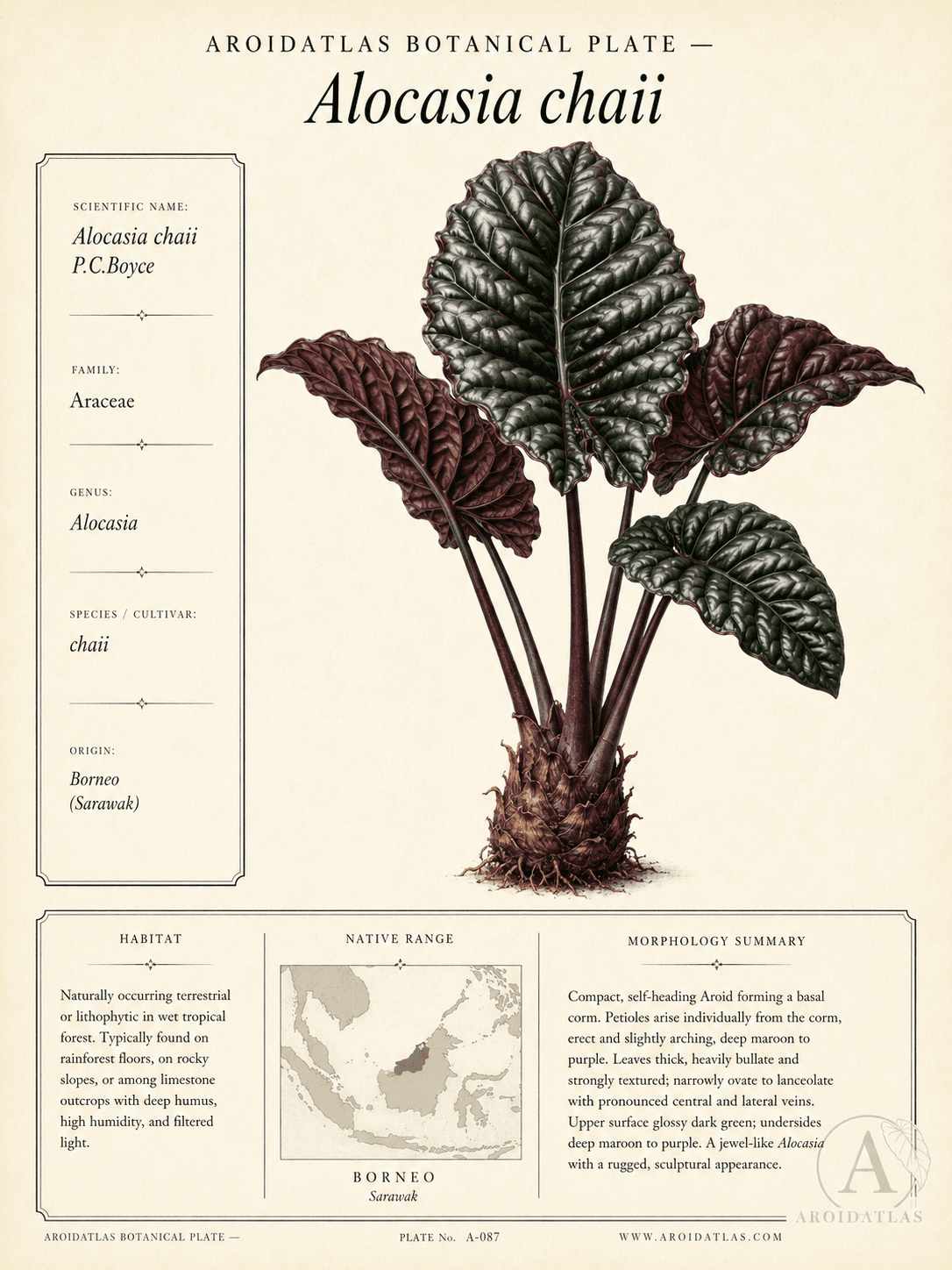
Alocasia chaii
Alocasia Chaii
£75 AA PriceAlocasiaWildBase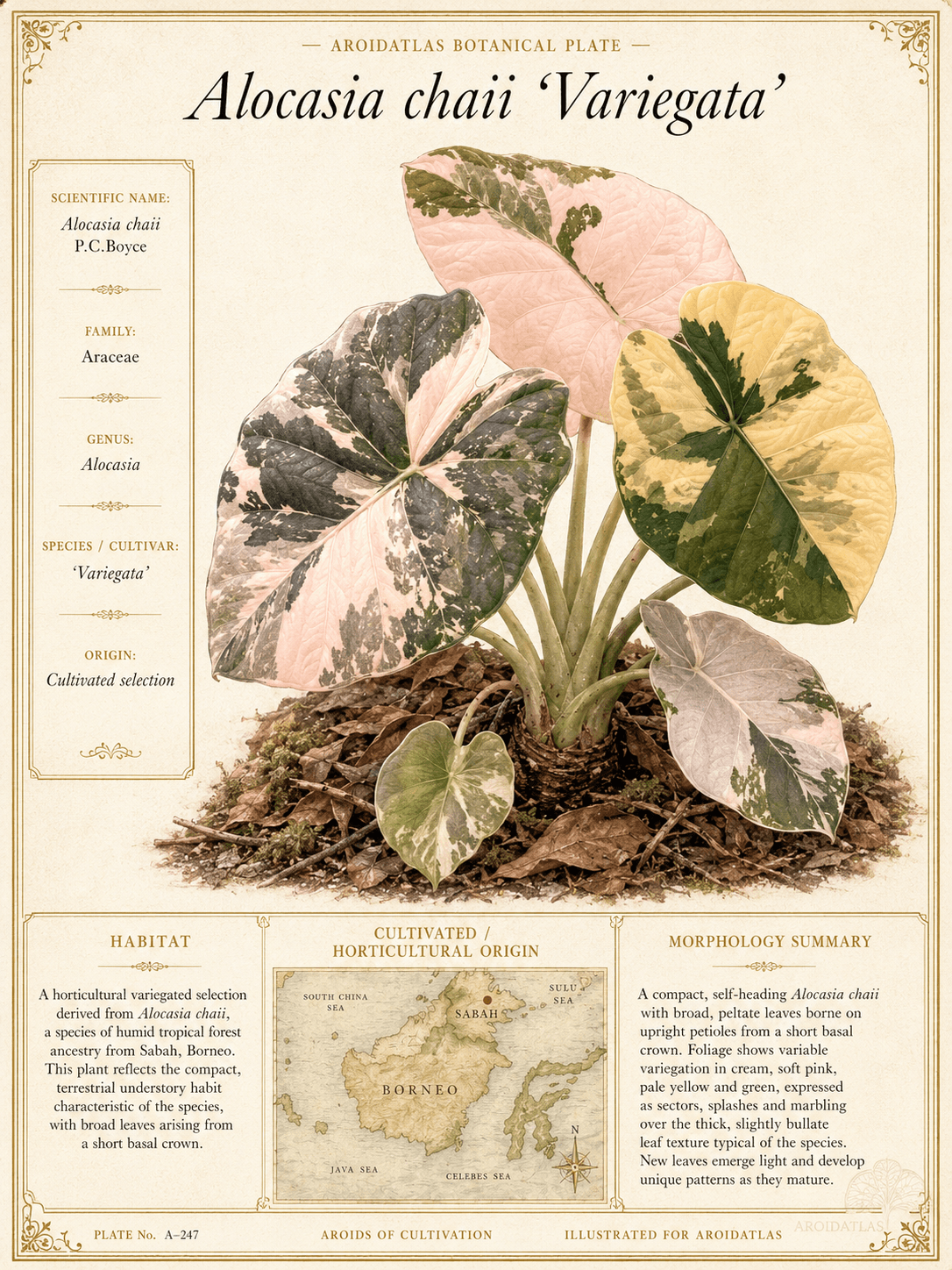
Alocasia chaii P.C.Boyce
Chaii Variegated Alocasia
££££ · CollectorAlocasiaVariegatedVariegated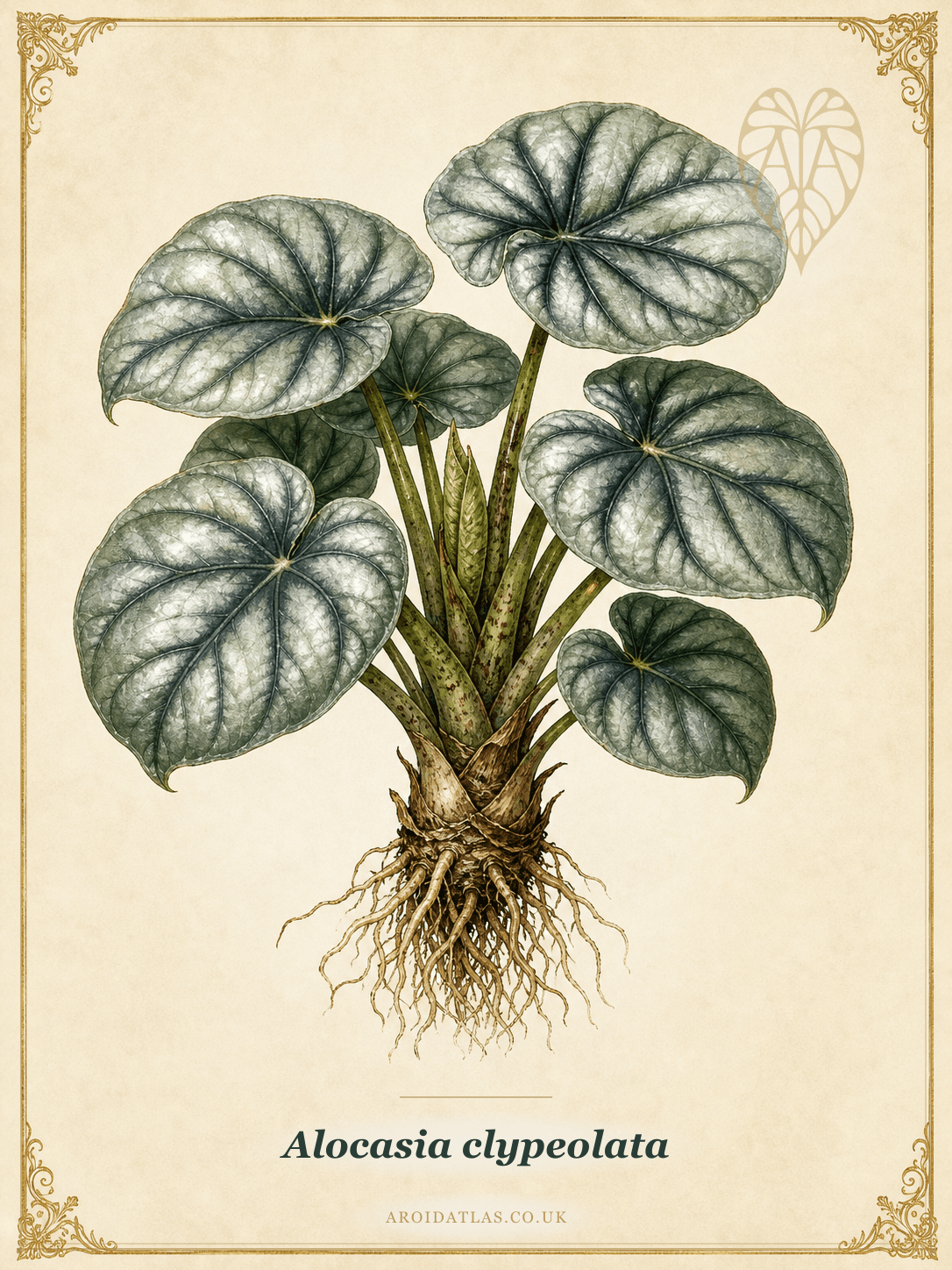
Alocasia clypeolata
Green Shield Alocasia
£££ · RareAlocasiaWildBase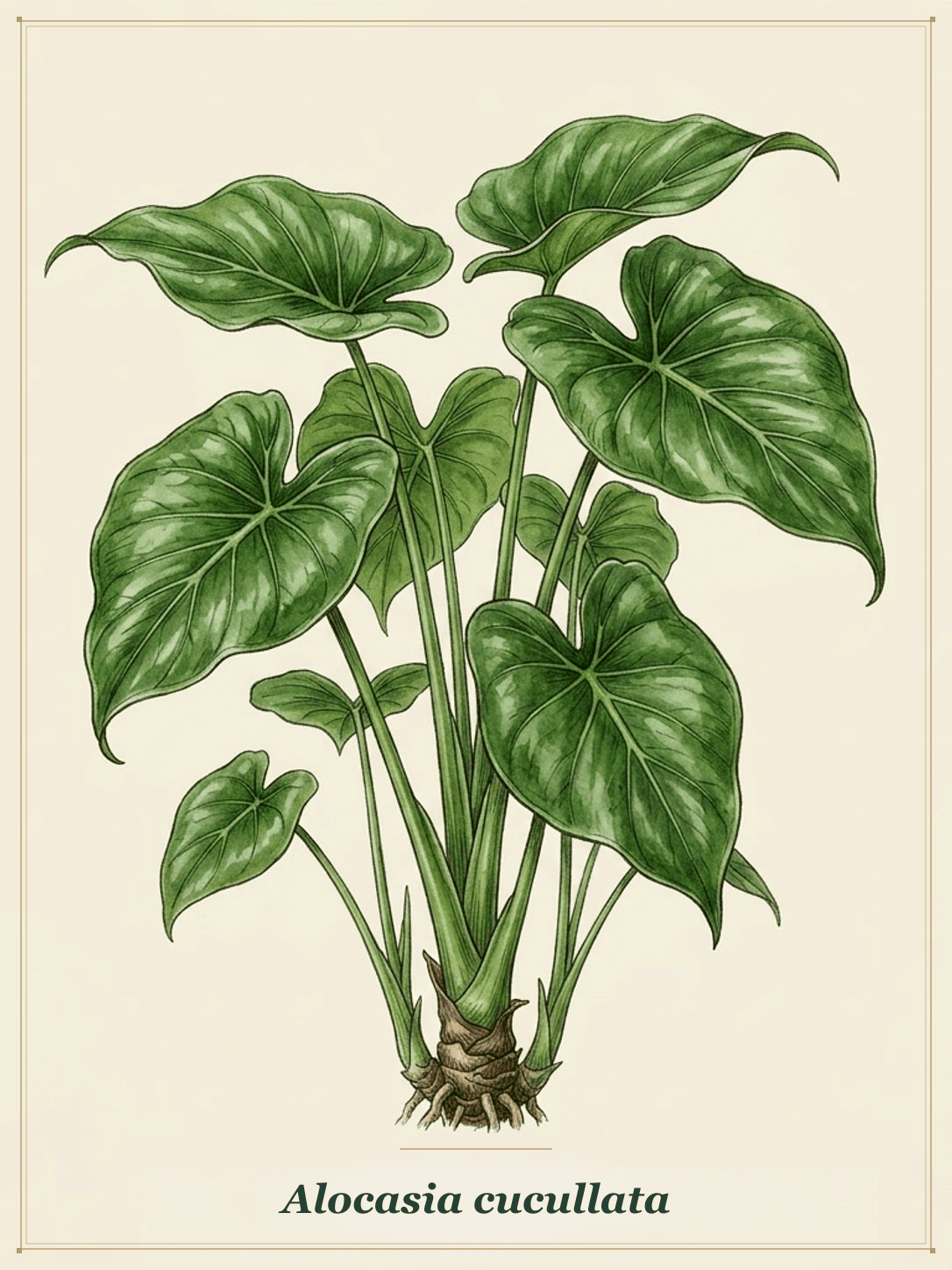
Alocasia cucullata
Buddha's Hand
£9 AA PriceAlocasiaWildBase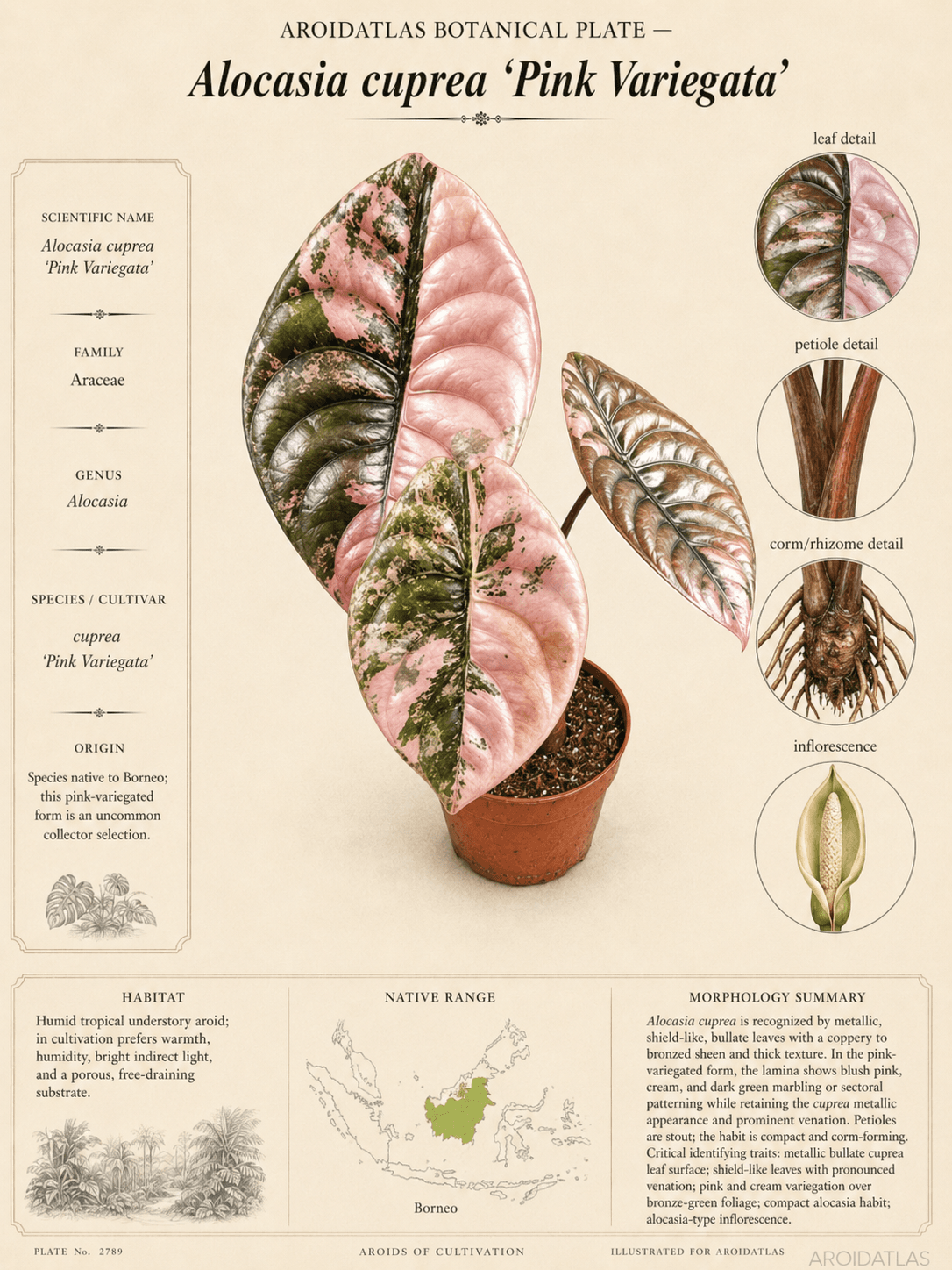
Alocasia cuprea 'Pink Variegata'
Pink Variegata Alocasia Cuprea
£300 AA PriceAlocasiaVariegatedPink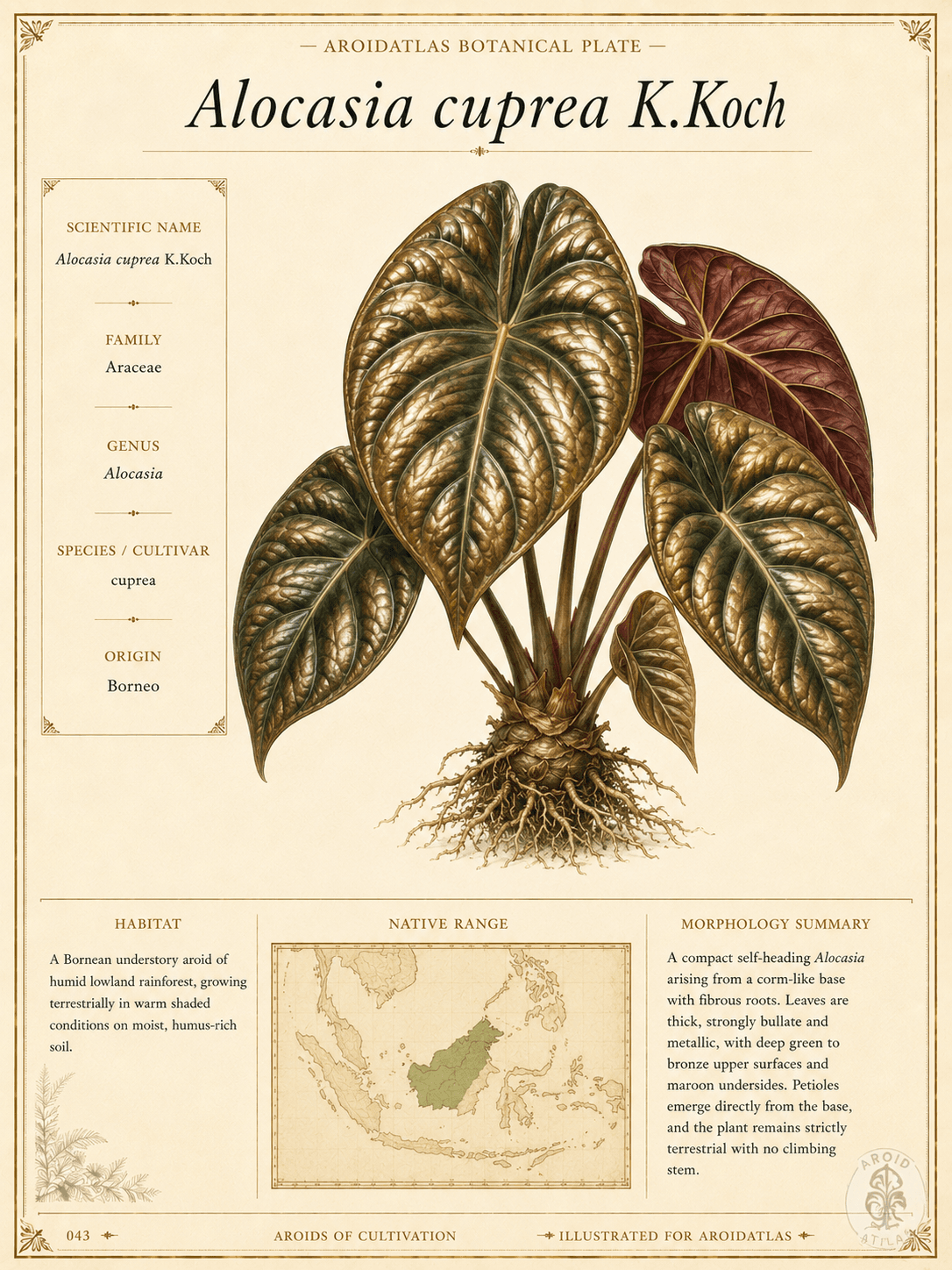
Alocasia cuprea K.Koch
Red Secret Alocasia
£13 AA PriceAlocasiaWildBase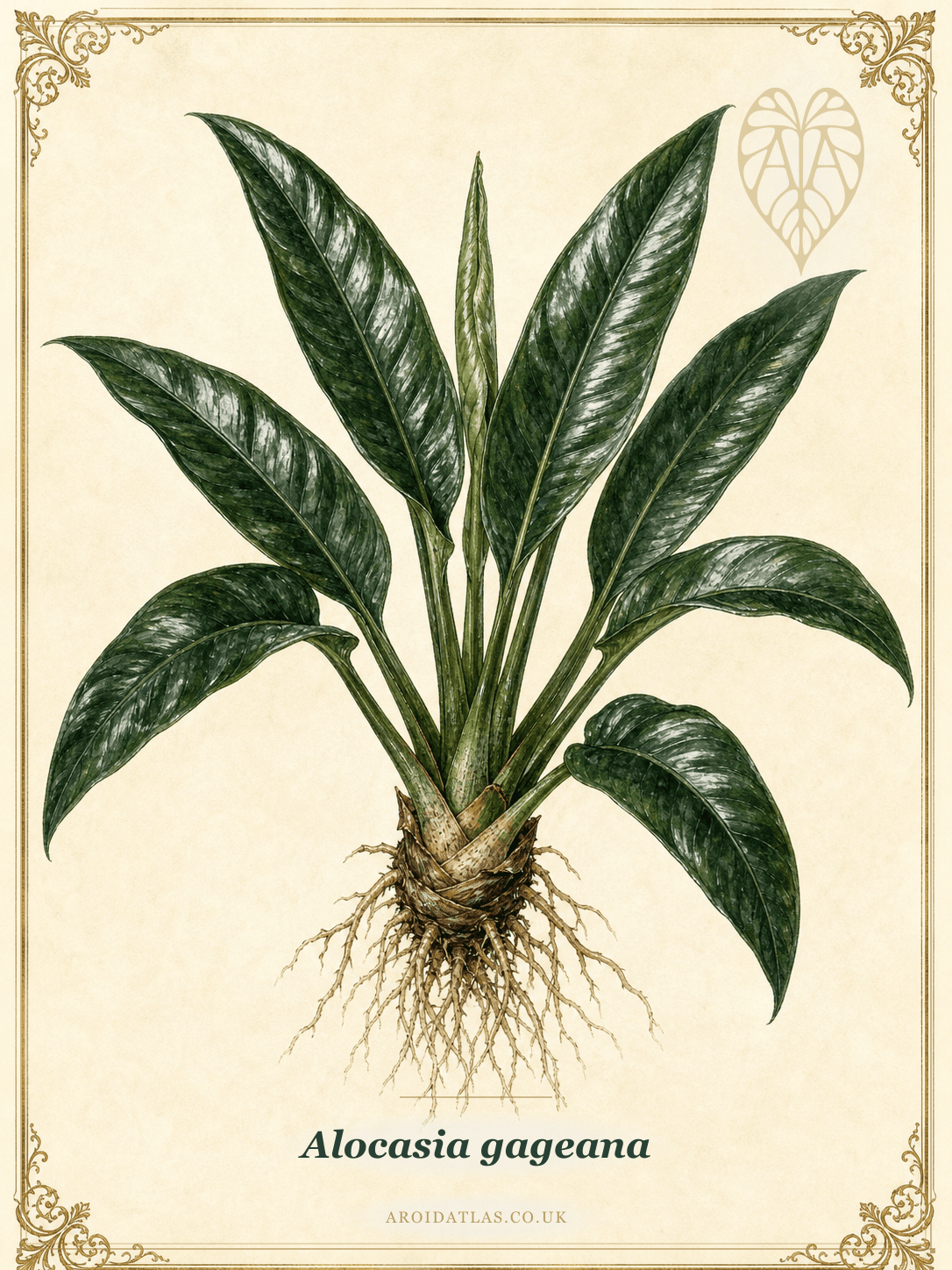
Alocasia gageana
Gageana Alocasia
£18 AA PriceAlocasiaWildBase
Alocasia gageana 'Albo'
Albo Gageana Alocasia
£££ · RareAlocasiaVariegatedAlbo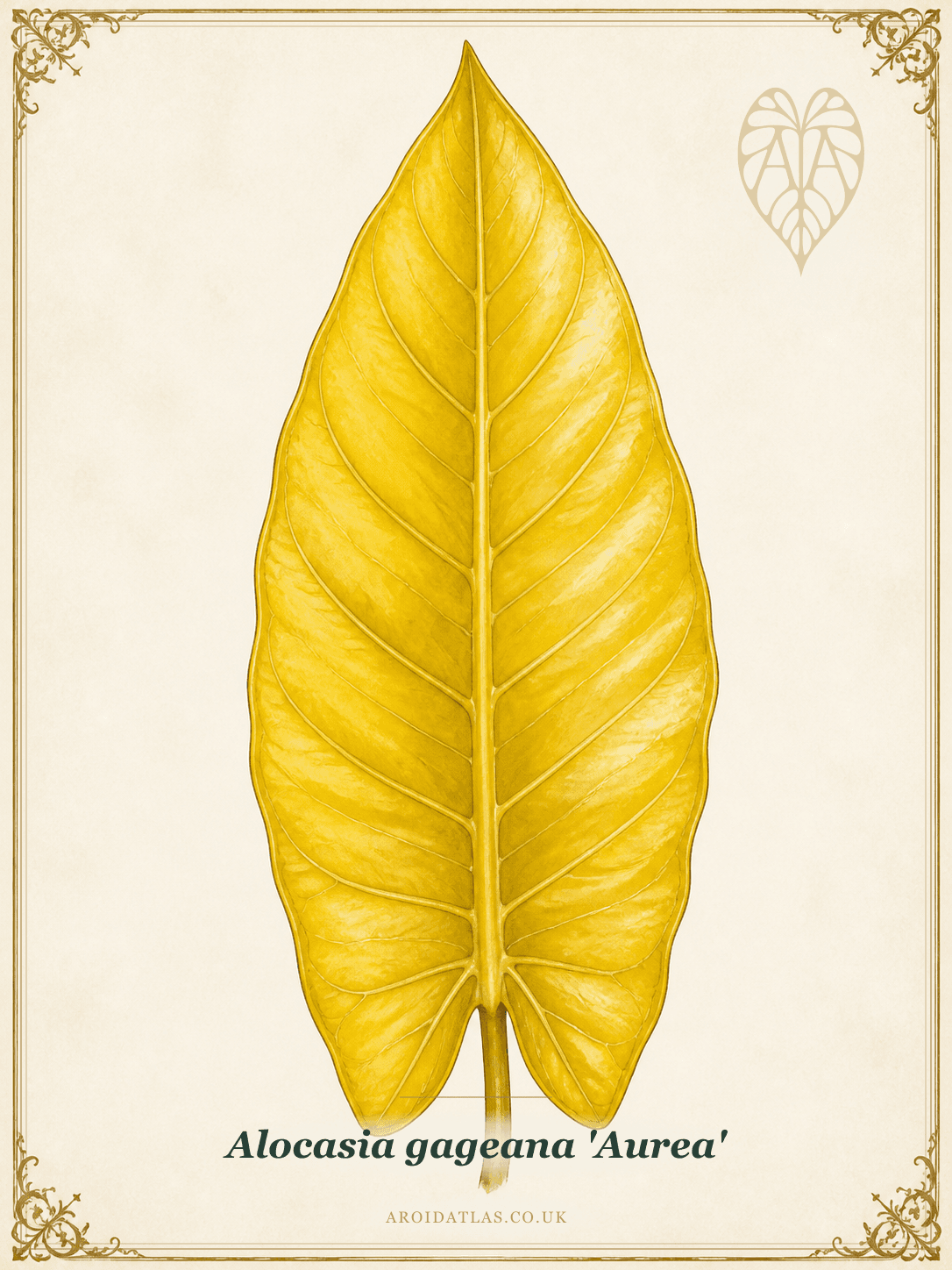
Alocasia gageana 'Aurea'
Gageana Aurea
£12 AA PriceAlocasiaVariegatedAurea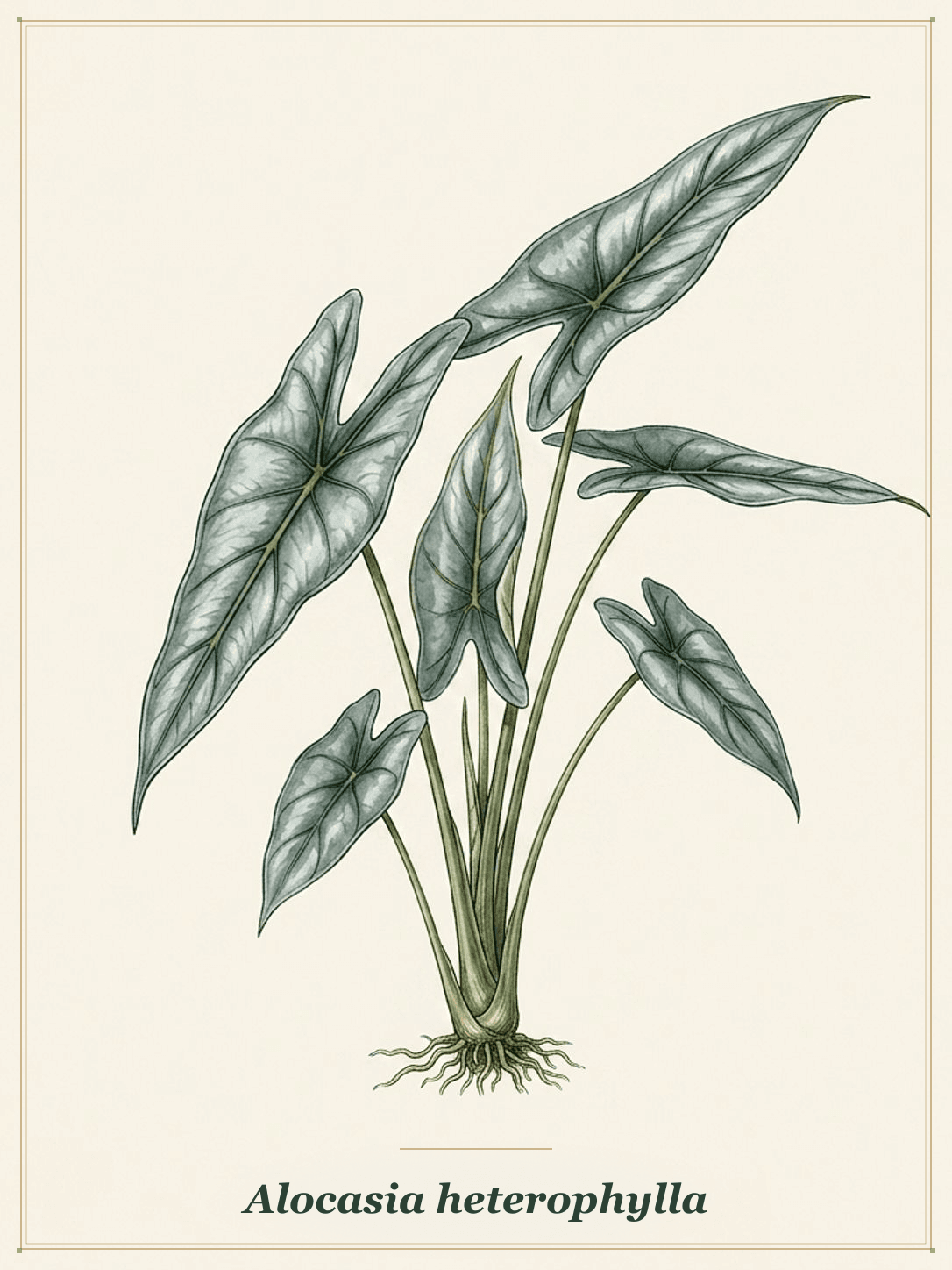
Alocasia heterophylla
Metallic Jewel Alocasia
£11 AA PriceAlocasiaWildBase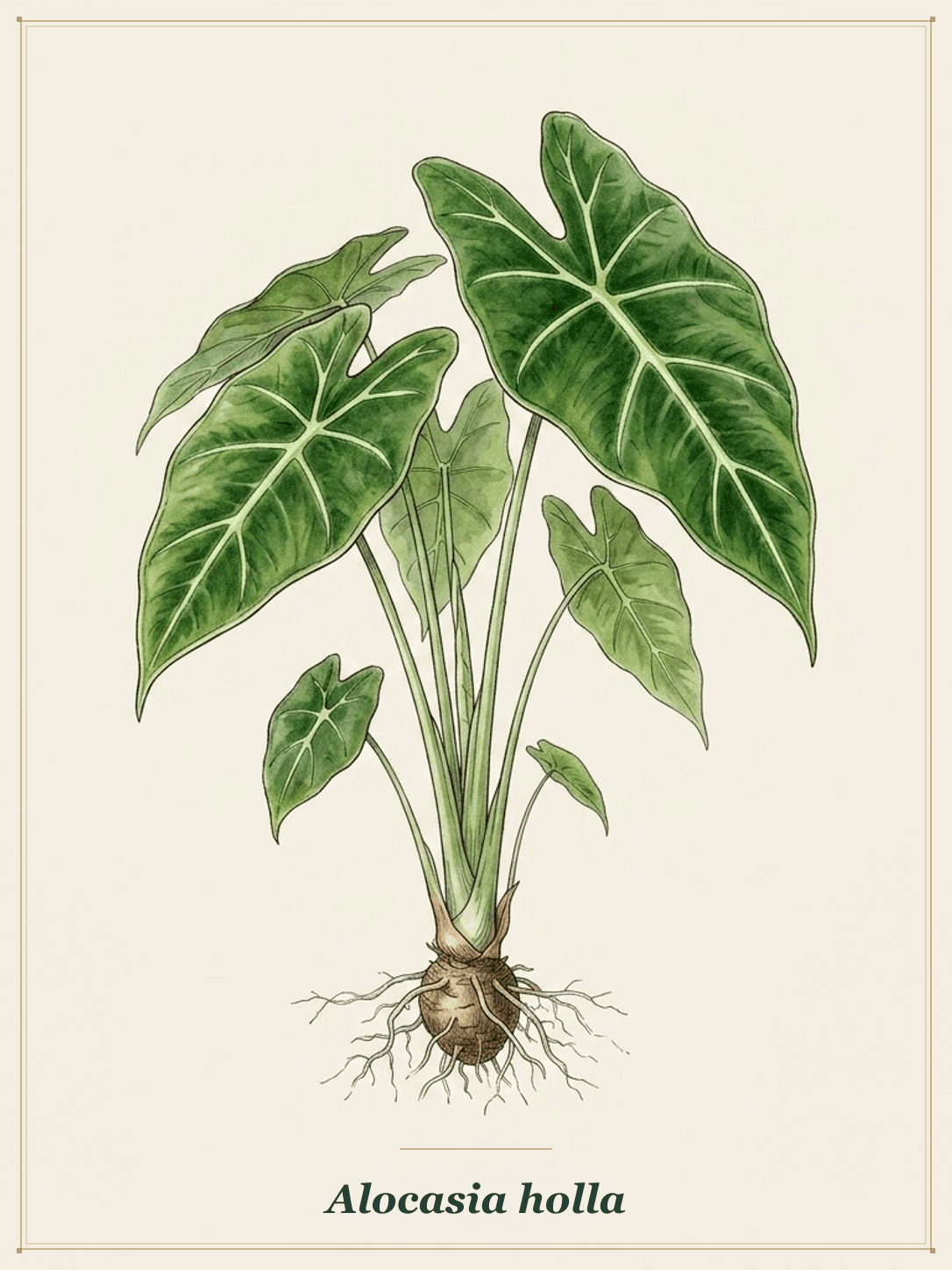
Alocasia holla
Alocasia Holla
££ · UncommonAlocasiaCultivarBase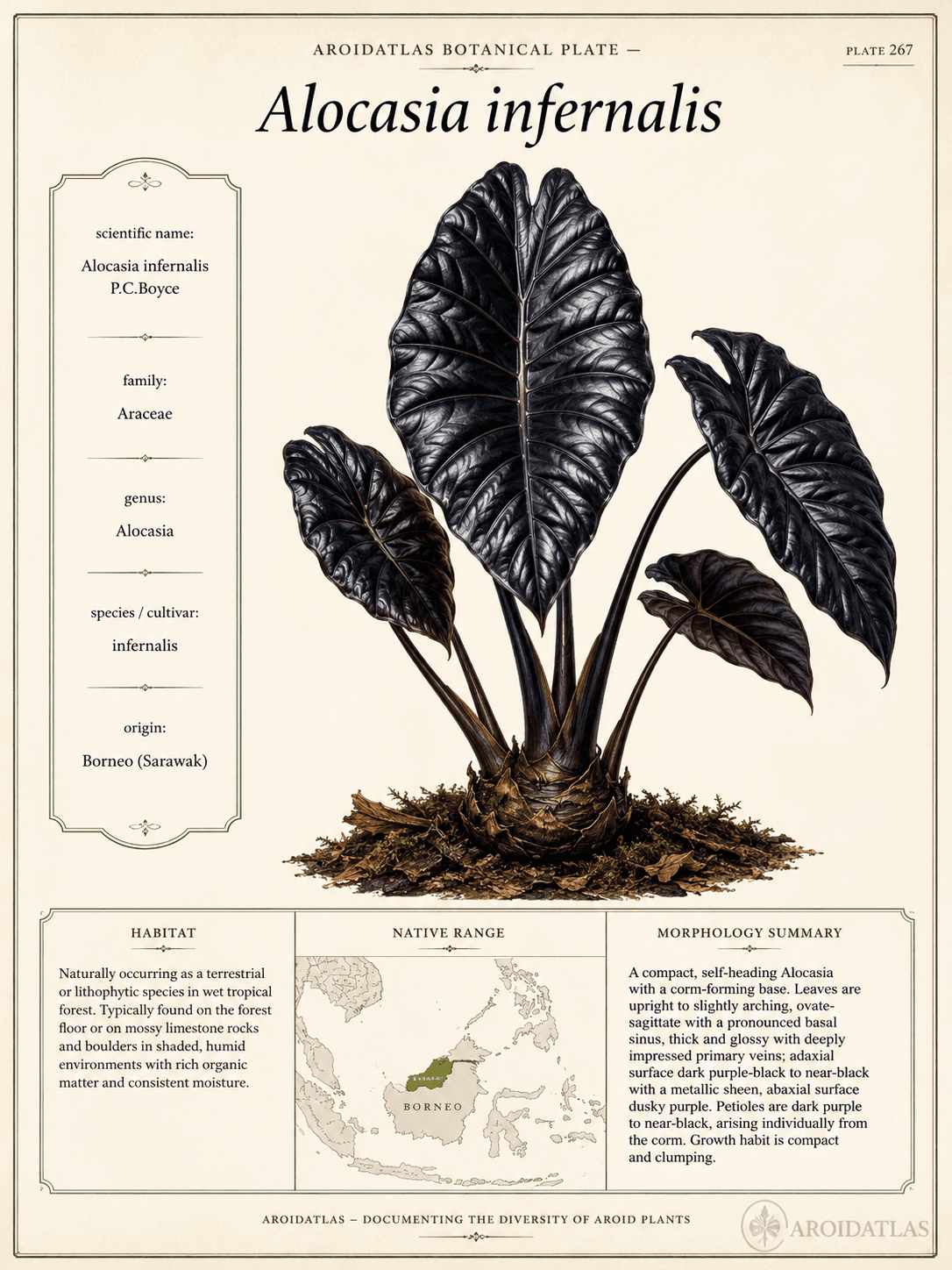
Alocasia infernalis
Alocasia Infernalis
£23 AA PriceAlocasiaWildBase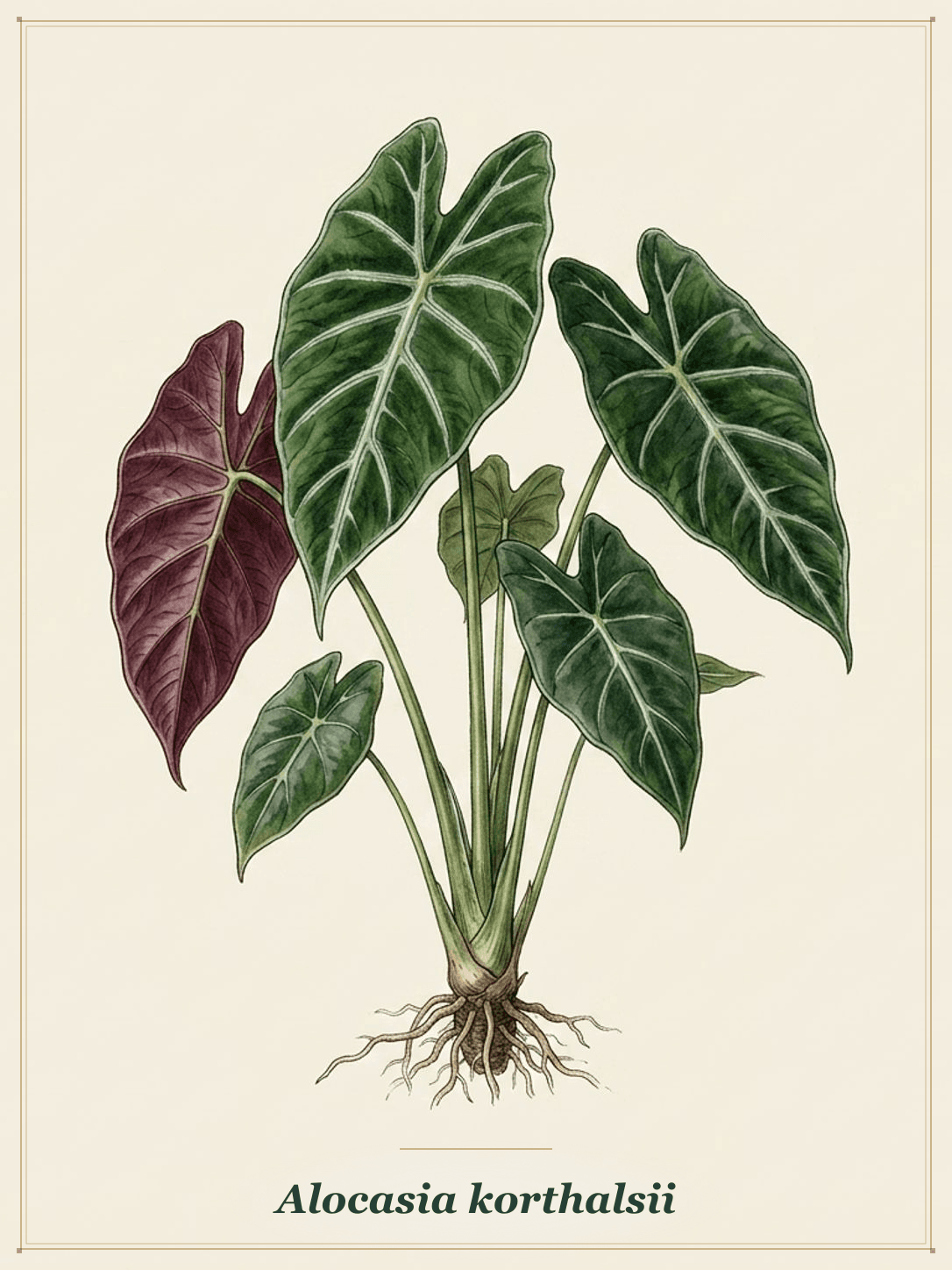
Alocasia korthalsii
Korthalsii Jewel Alocasia
££ · UncommonAlocasiaWildBase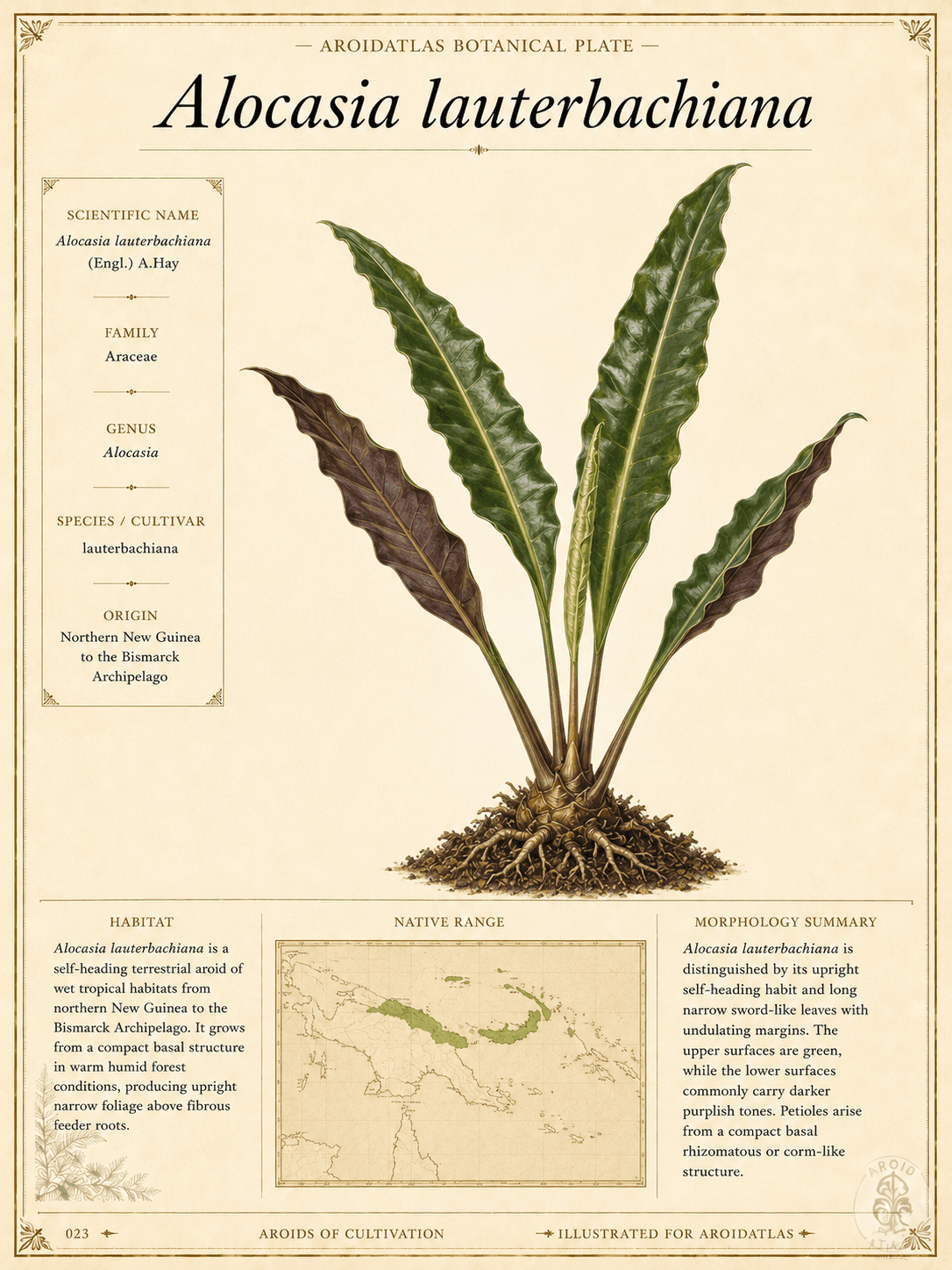
Alocasia lauterbachiana (EngL.) A.Hay
Purple Sword Alocasia
£17 AA PriceAlocasiaWildBase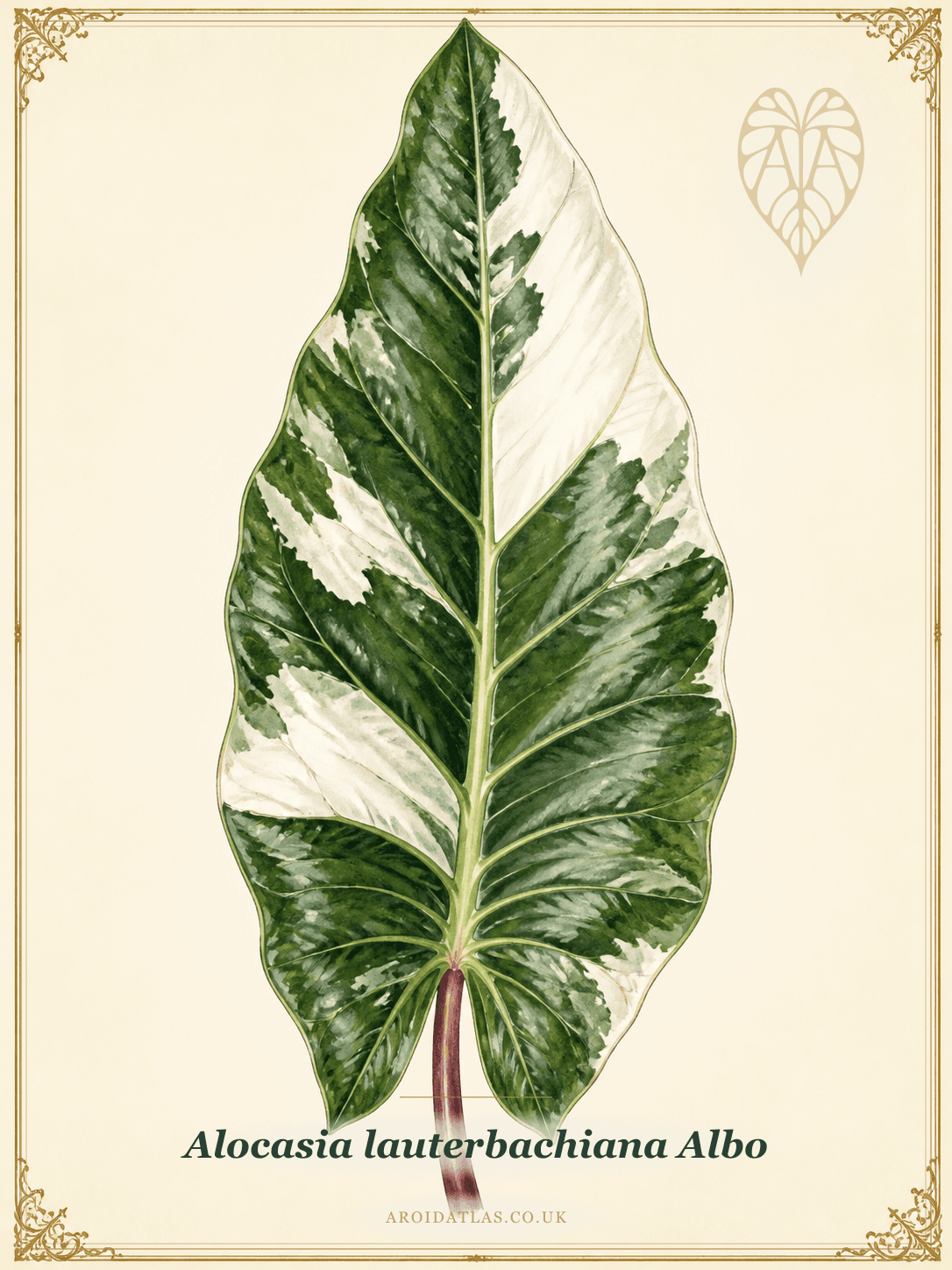
Alocasia lauterbachiana Albo
Albo Lauterbachiana Alocasia
£16 AA PriceAlocasiaVariegatedAlbo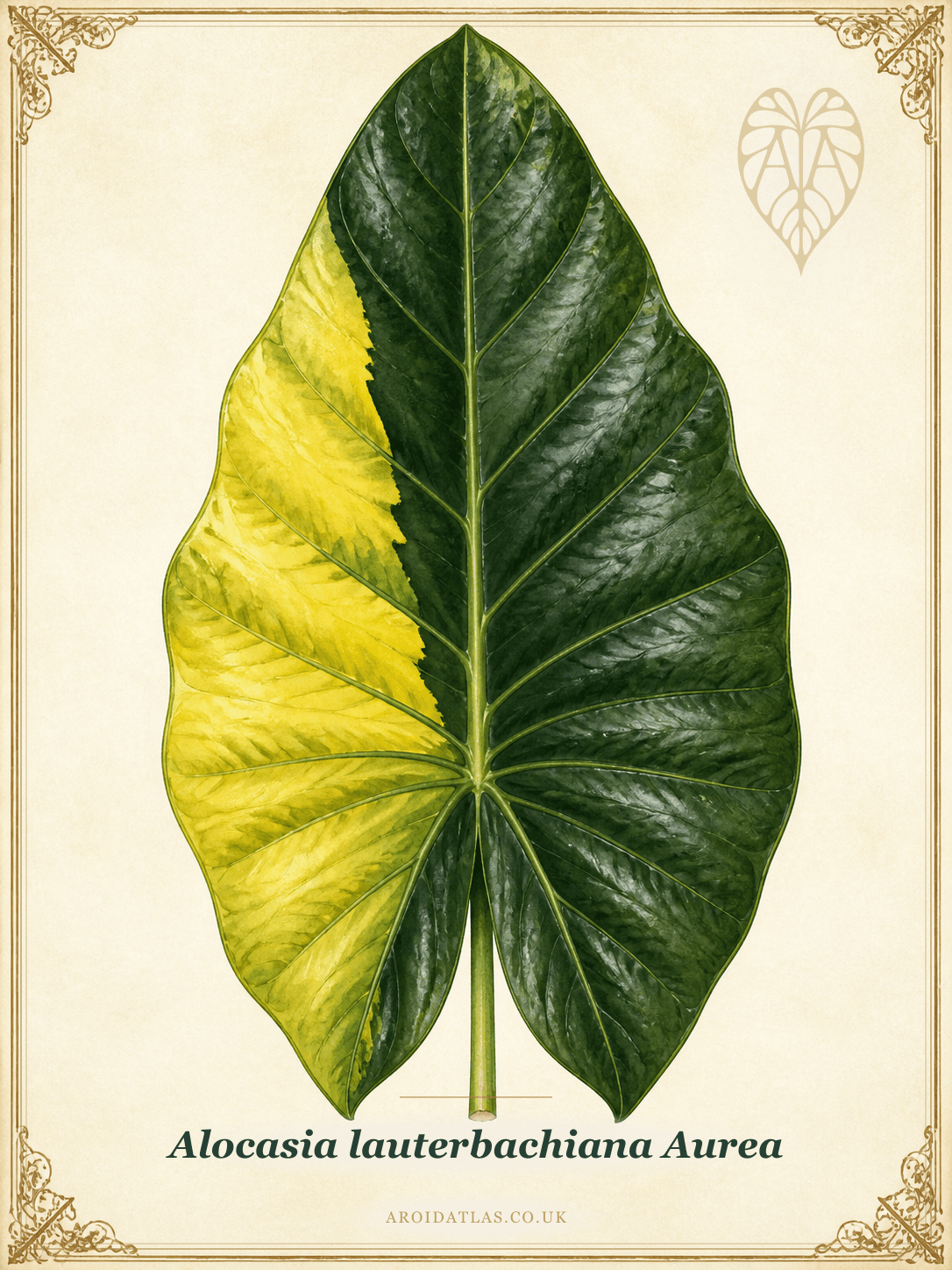
Alocasia lauterbachiana Aurea
Aurea Lauterbachiana Alocasia
£17 AA PriceAlocasiaVariegatedAurea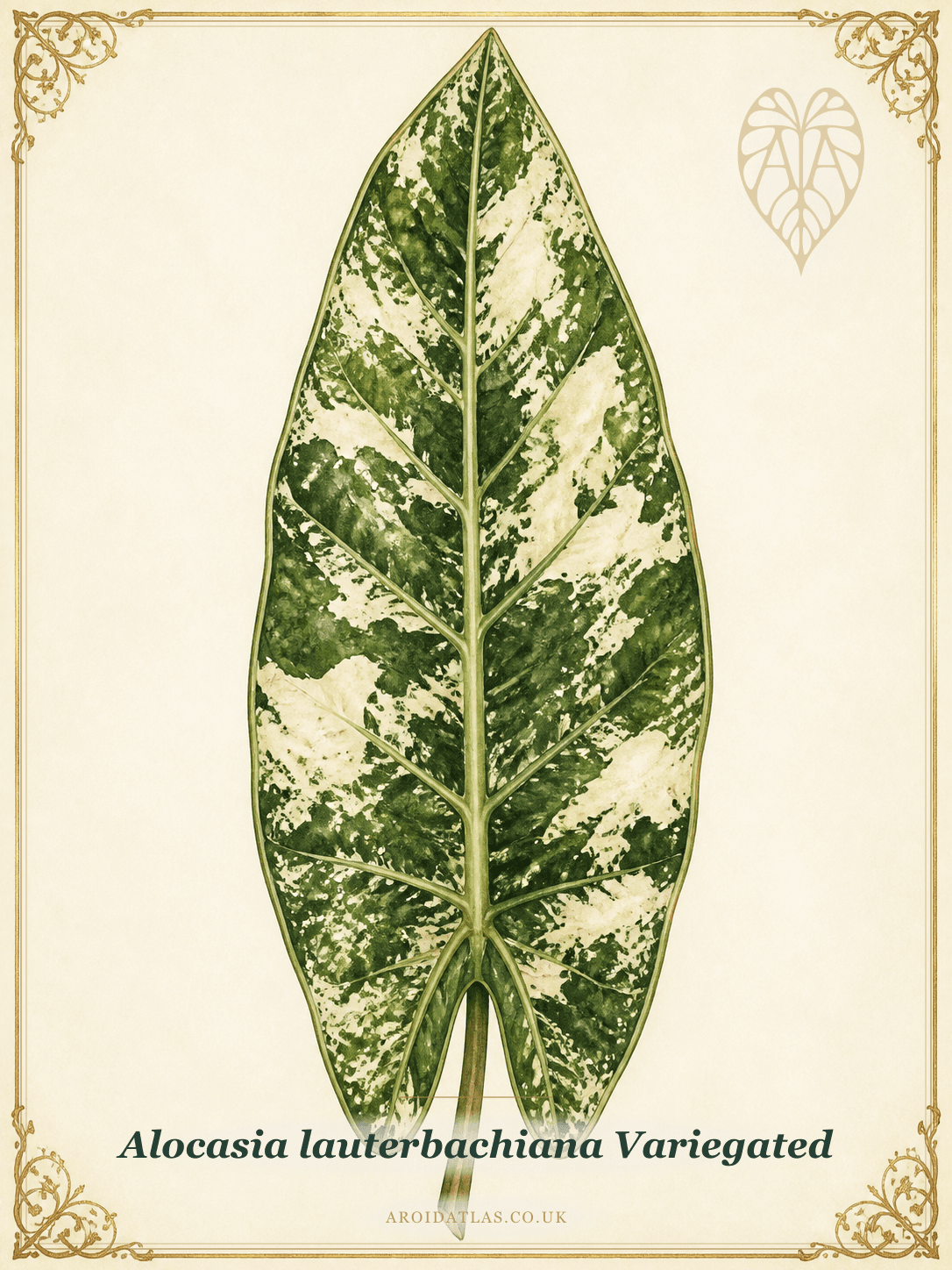
Alocasia lauterbachiana Variegated
Variegated Lauterbachiana Alocasia
£26 AA PriceAlocasiaVariegatedVariegated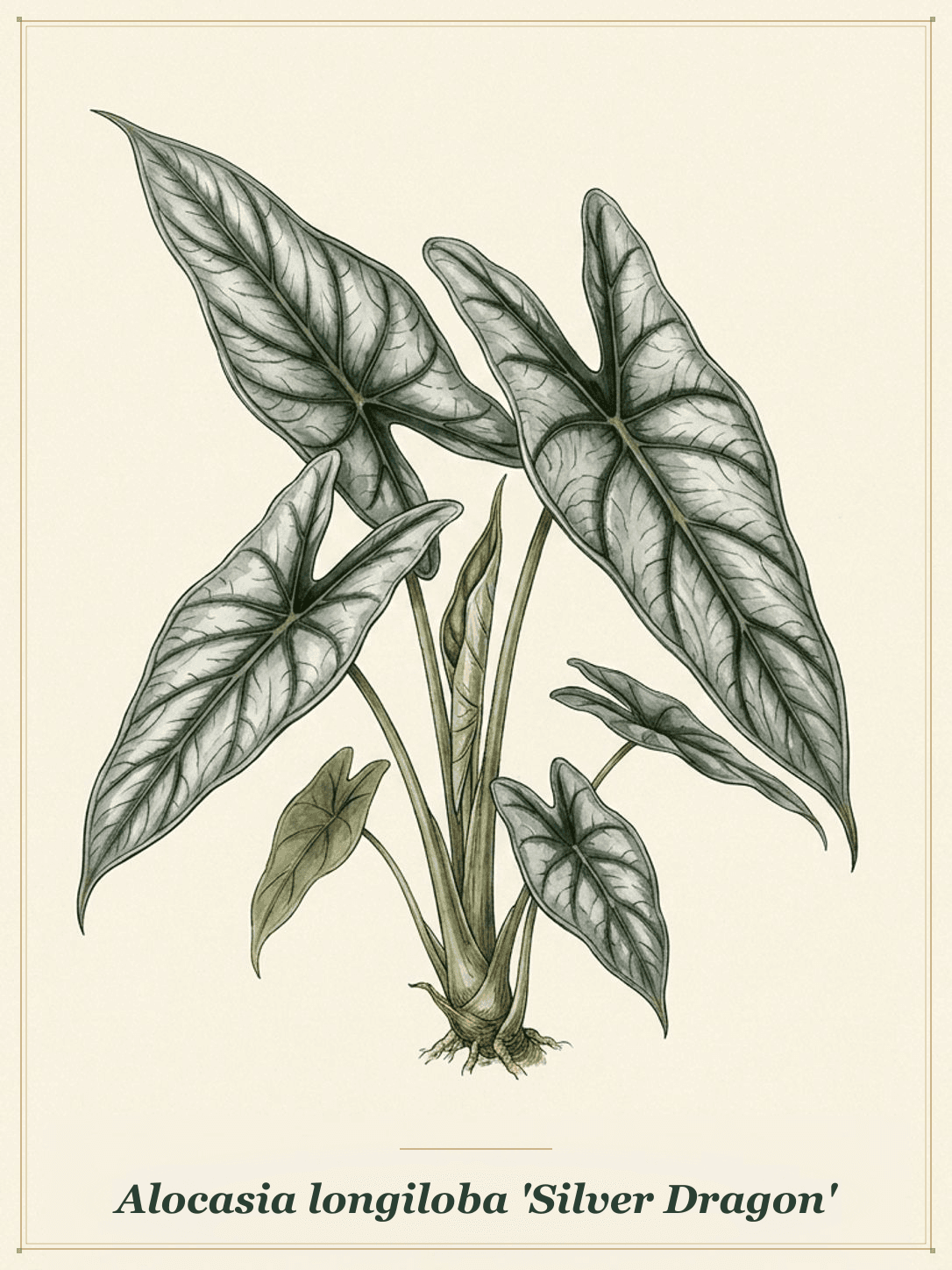
Alocasia longiloba 'Silver Dragon'
Silver Dragon Longiloba
££ · UncommonAlocasiaCultivarBase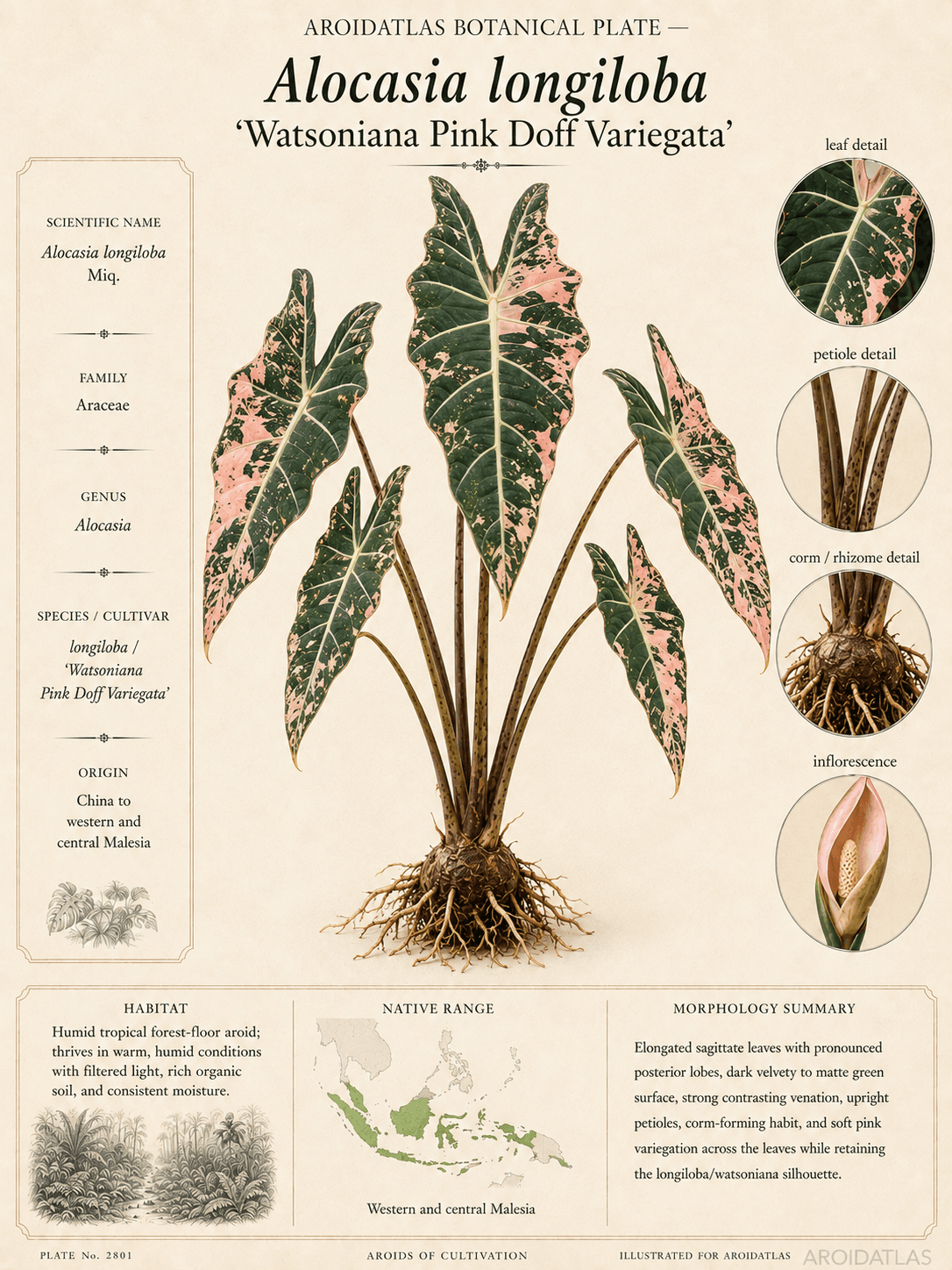
Alocasia longiloba 'Watsoniana Pink Doff Variegated'
Watsoniana Pink Doff Variegated
£100 AA PriceAlocasiaVariegatedPink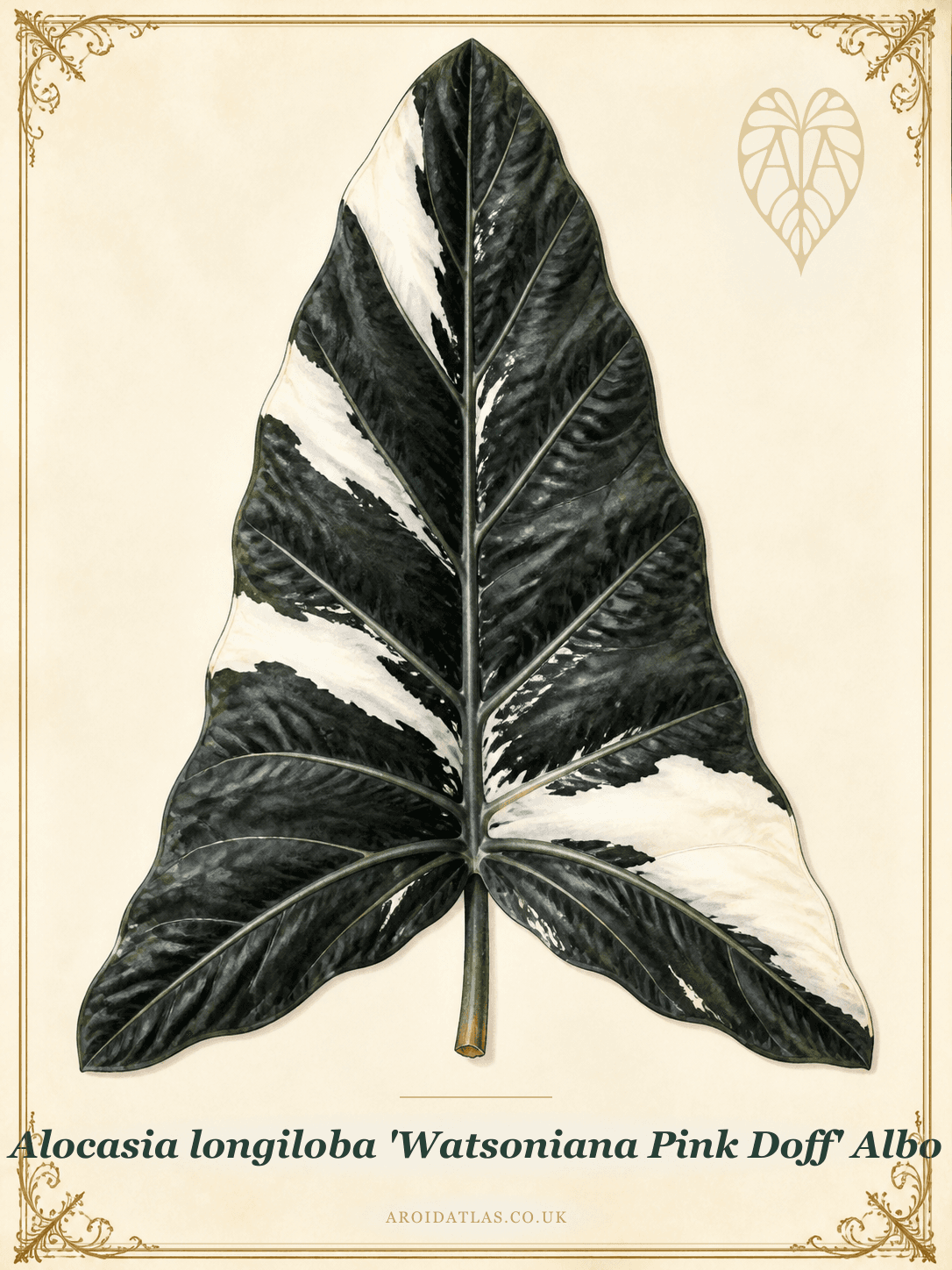
Alocasia longiloba 'Watsoniana Pink Doff' Albo
Albo Watsoniana Pink Doff
£76 AA PriceAlocasiaVariegatedPink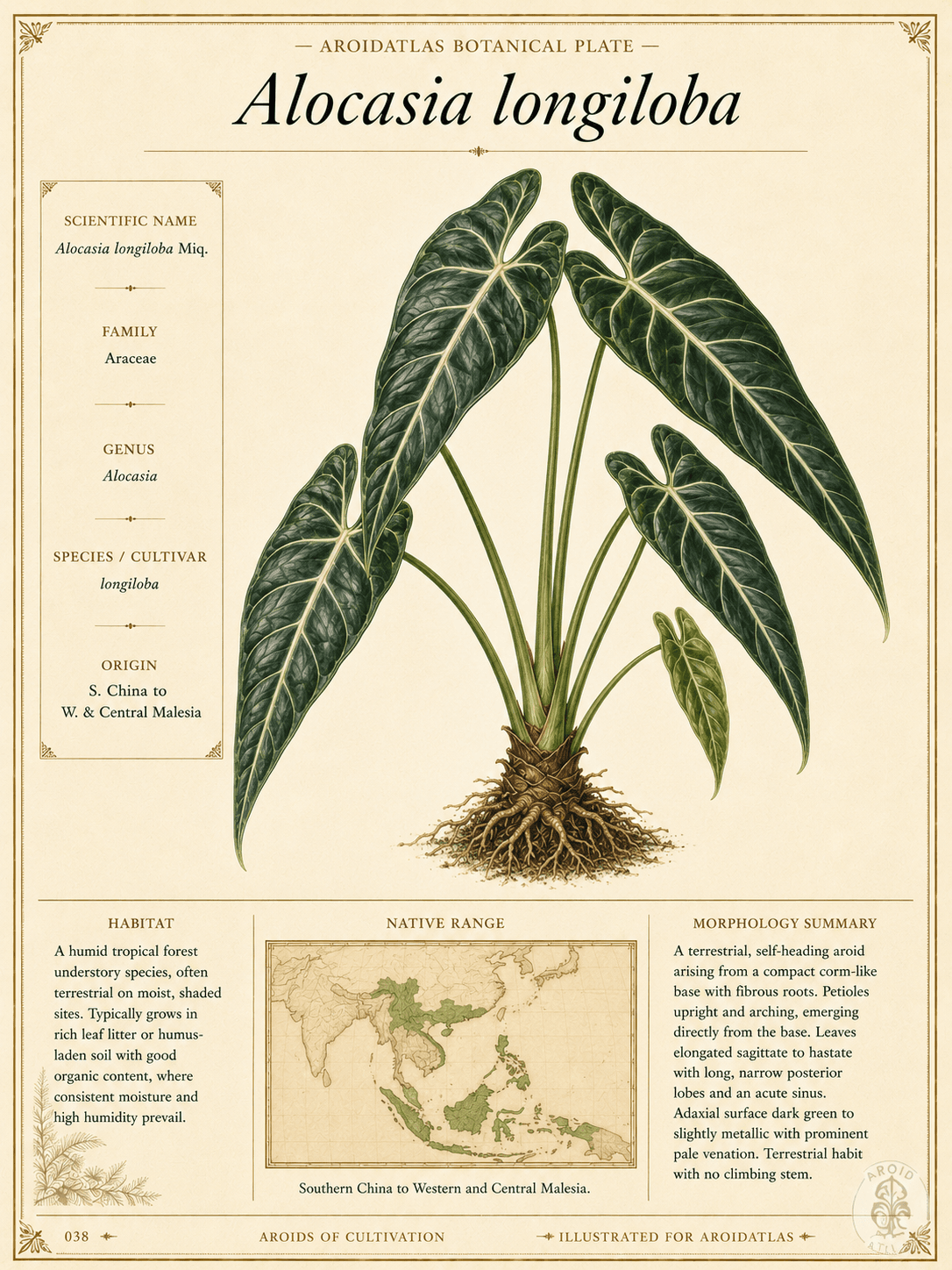
Alocasia longiloba Miq.
Alocasia longiloba
££ · UncommonAlocasiaWildBase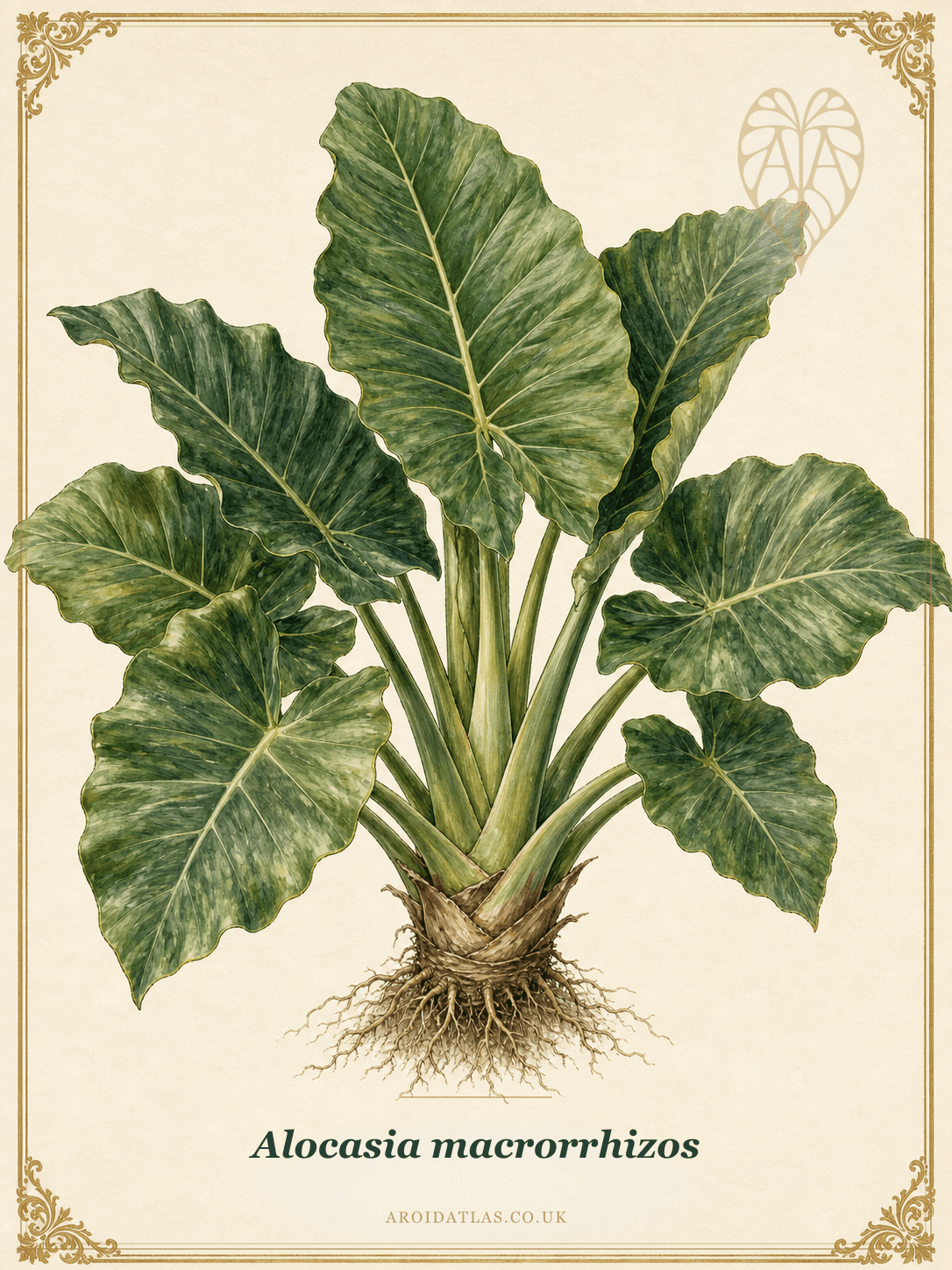
Alocasia macrorrhizos
Giant Taro
£10 AA PriceAlocasiaWildBase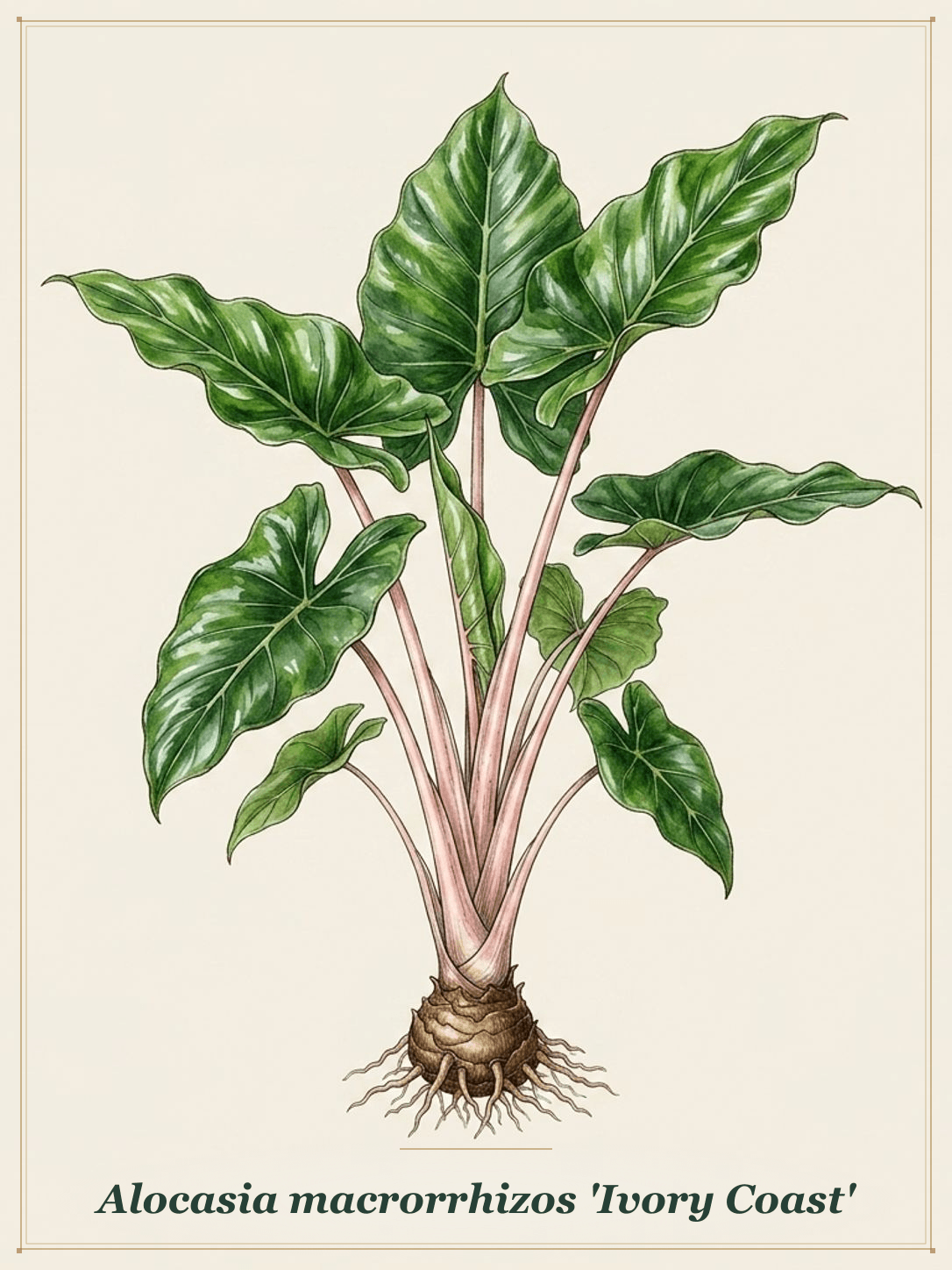
Alocasia macrorrhizos 'Ivory Coast'
Ivory Coast Elephant Ear
£ · CommonAlocasiaCultivarBase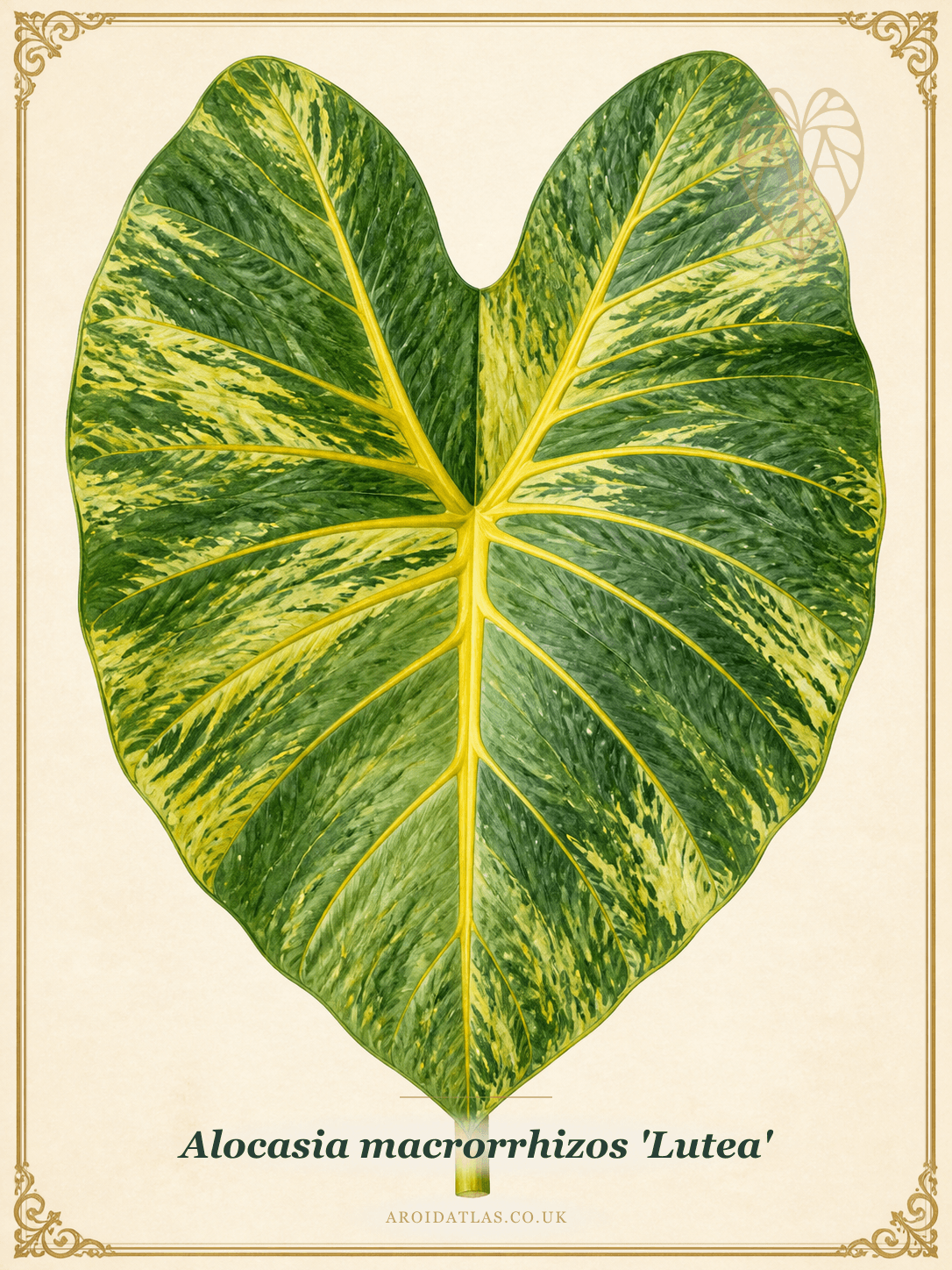
Alocasia macrorrhizos 'Lutea'
Golden Elephant Ear
£25 AA PriceAlocasiaCultivarBase
Frequently Asked Questions
Most Alocasia go through a semi-dormant period over the darker months, especially under UK indoor light levels, and will often shed one or more leaves before resuming growth in spring. This is expected and not necessarily a sign of root or care problems.
An informal collector term for small, dark-leafed Alocasia species (under roughly 30cm), such as A. reginula and A. azlanii, as distinct from the genus's large-leaved giants like A. macrorrhizos and A. portei.
Generally yes — the white or cream sectors lack chlorophyll, so a variegated leaf photosynthesises less per unit area than an equivalent plain leaf, and the plant is more prone to stress-related leaf loss and reversion.
Alocasia grow from an underground corm, and dormant or leafless corms are sometimes sold separately from rooted, leafed specimens — a corm is cheaper but carries more risk of failing to sprout than an established plant.