Epipremnum
Epipremnum is a Southeast Asian and Pacific genus of climbing, epiphytic aroids, most widely known through Epipremnum aureum ('pothos'), one of the most cultivated houseplants worldwide. Collector interest in the genus centres on named variegated sports of E. aureum and the larger-leaved species E. pinnatum and E. giganteum, whose leaves develop pinnate splits and fenestration with age when given something to climb.
- Plants
- 26
- UK prices
- £10 median of 9 Verified prices
- Most sold, last 90 days
- Epipremnum pinnatum 'Cebu Blue'
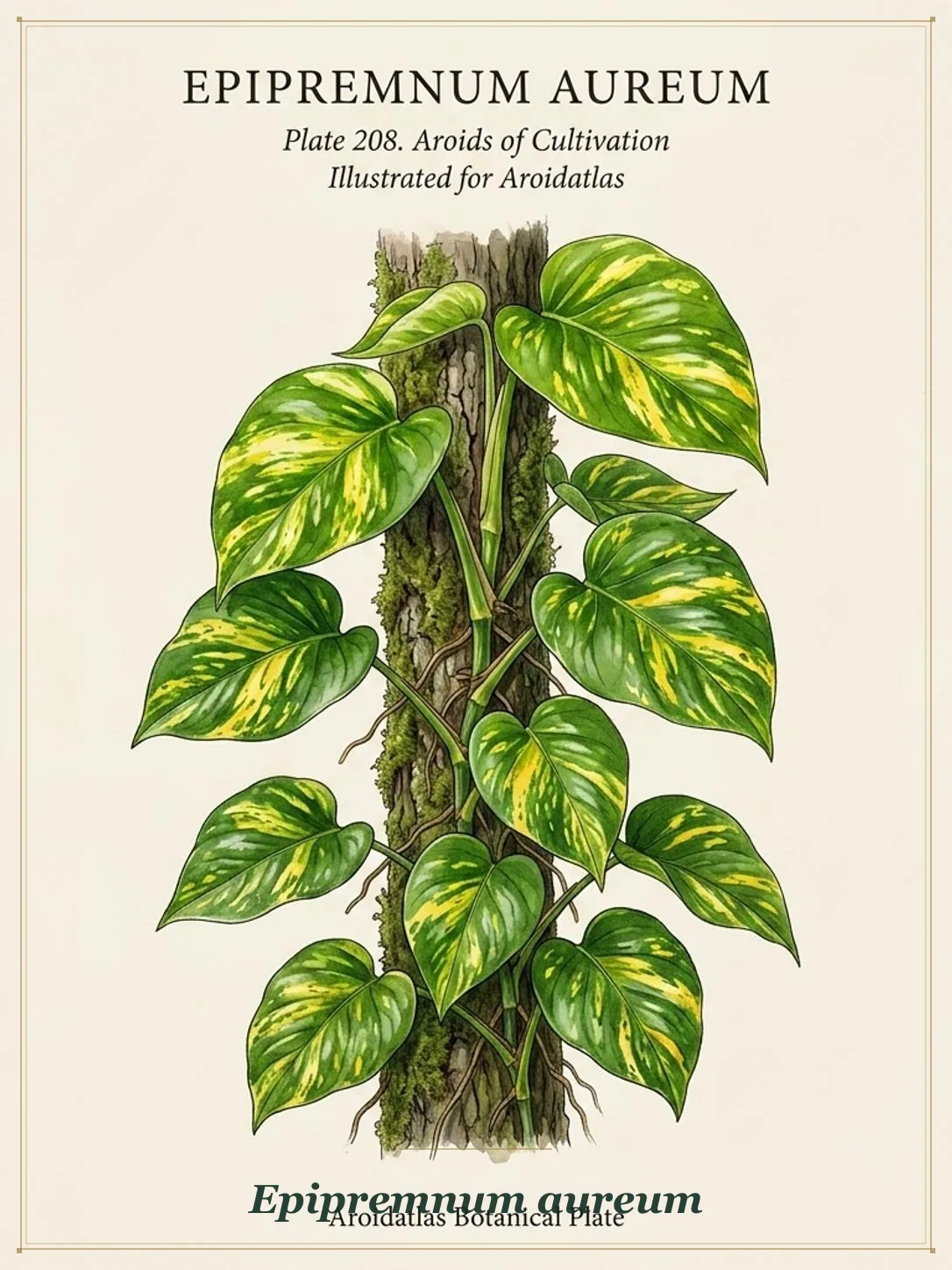
Golden Pothos
Typical UK price
£9
Verified
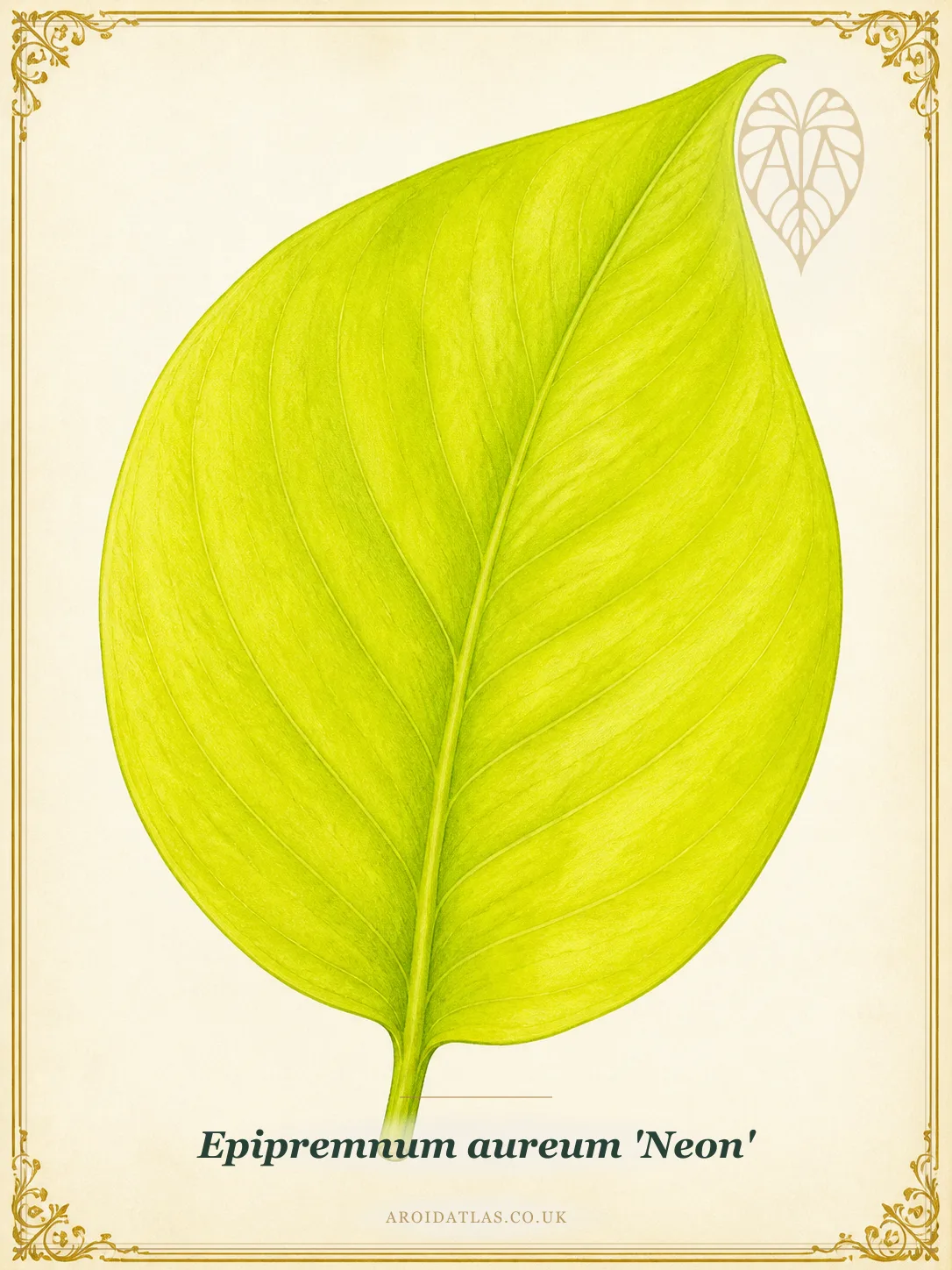
Neon Pothos
Typical UK price
£8
Verified
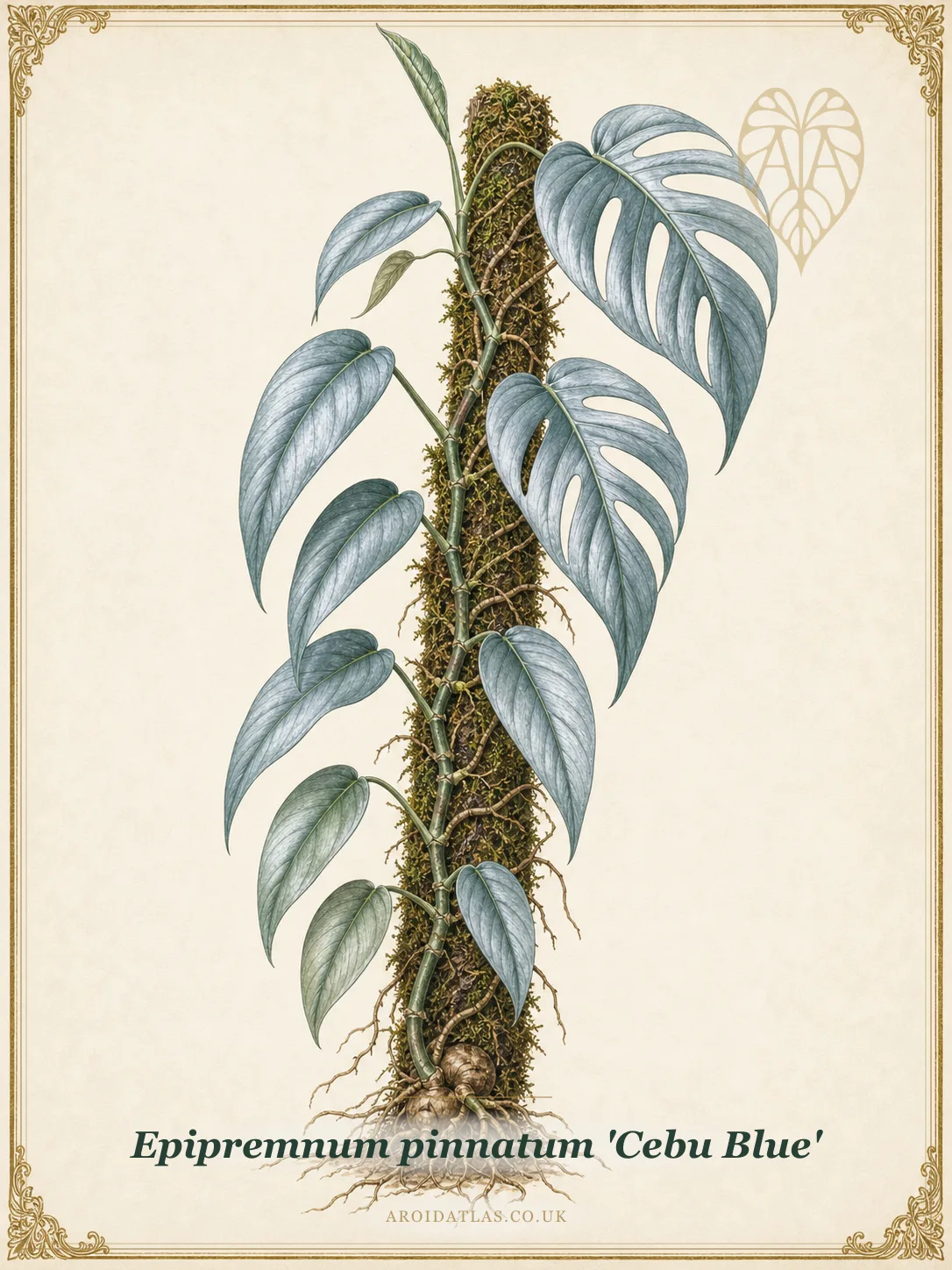
Cebu Blue Pothos
Typical UK price
£10
Verified
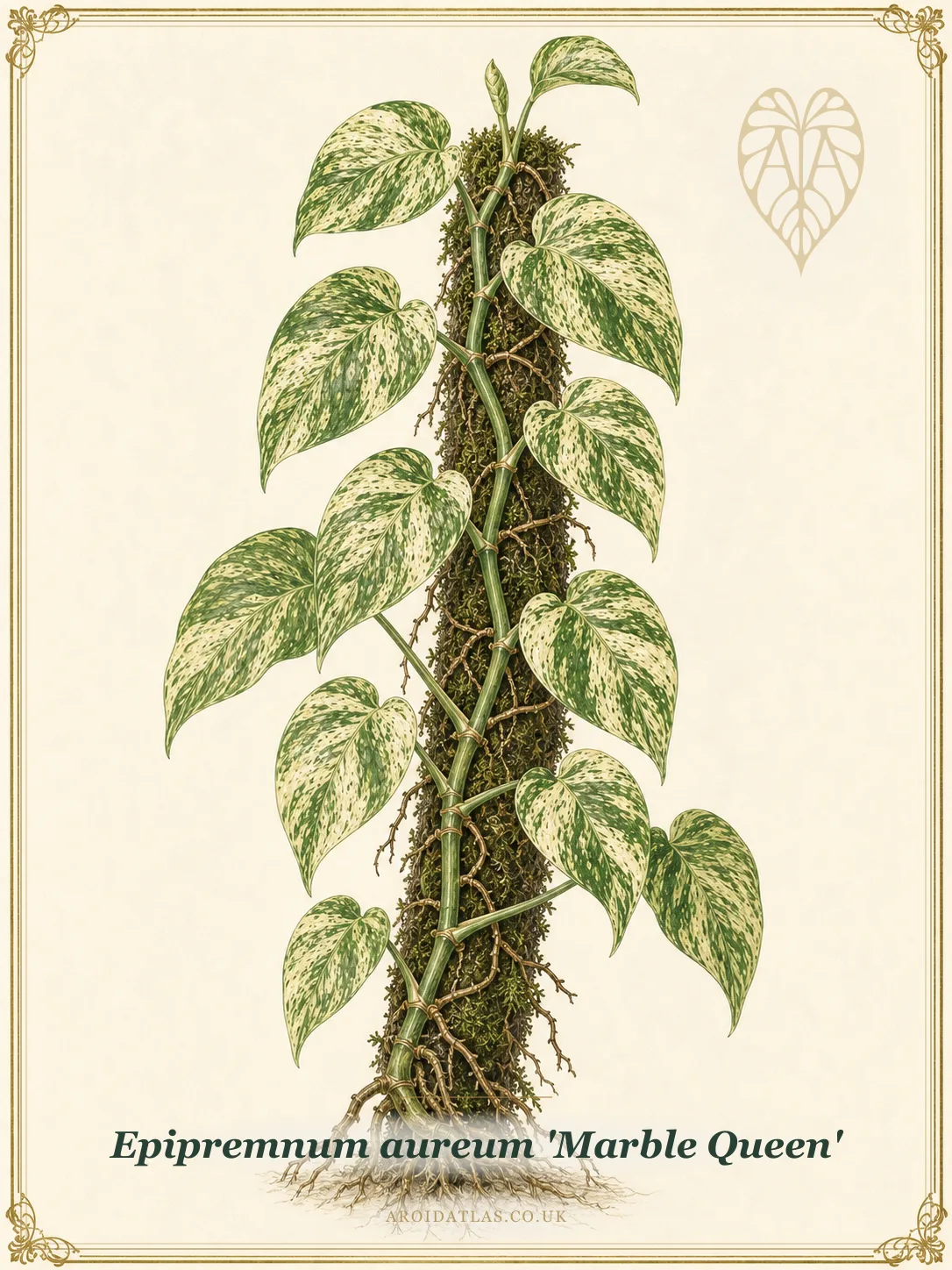
Marble Queen Pothos
Typical UK price
£9
Verified
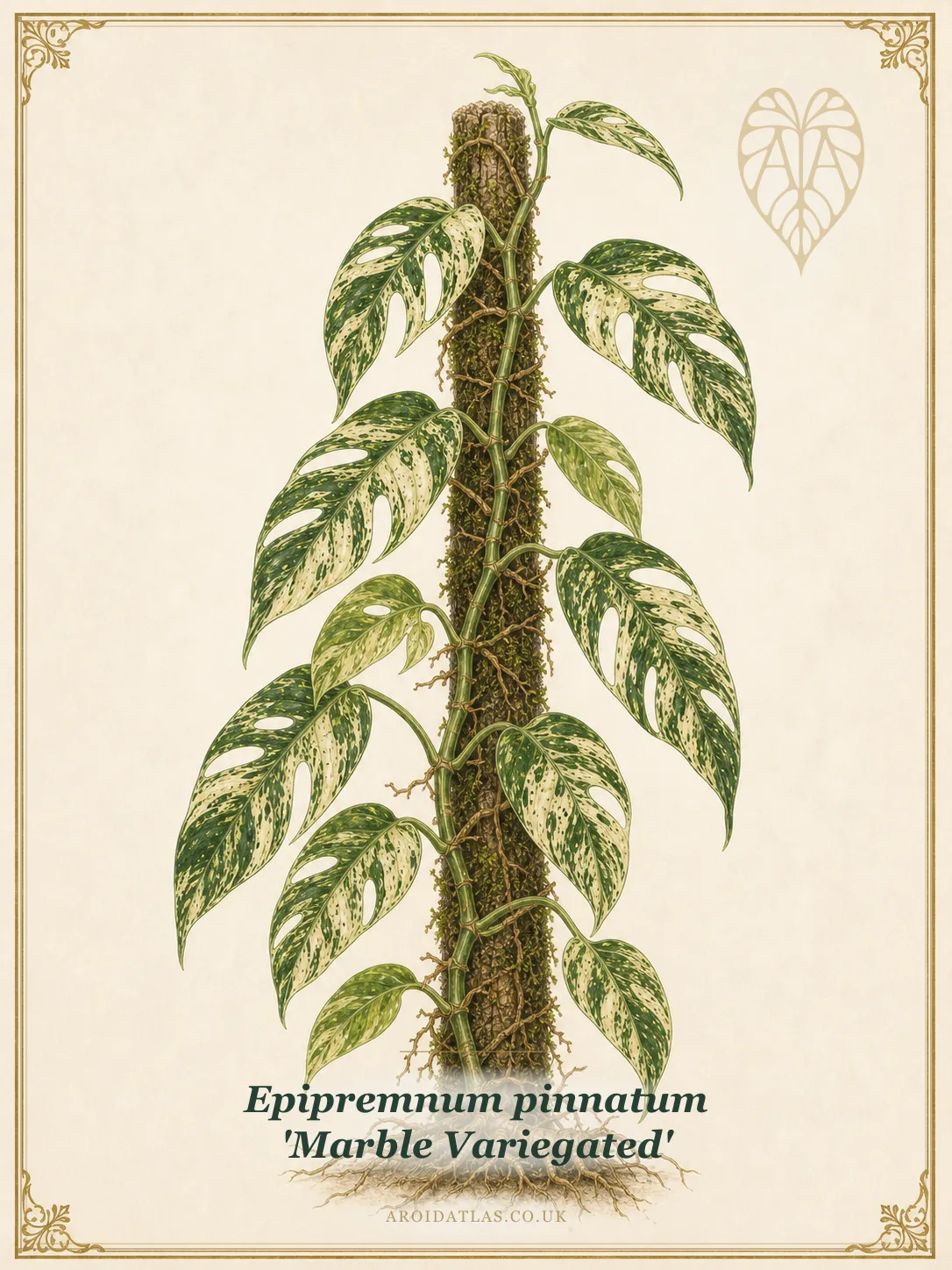
Marble Variegated Dragon Tail
Typical UK price
£14
Verified
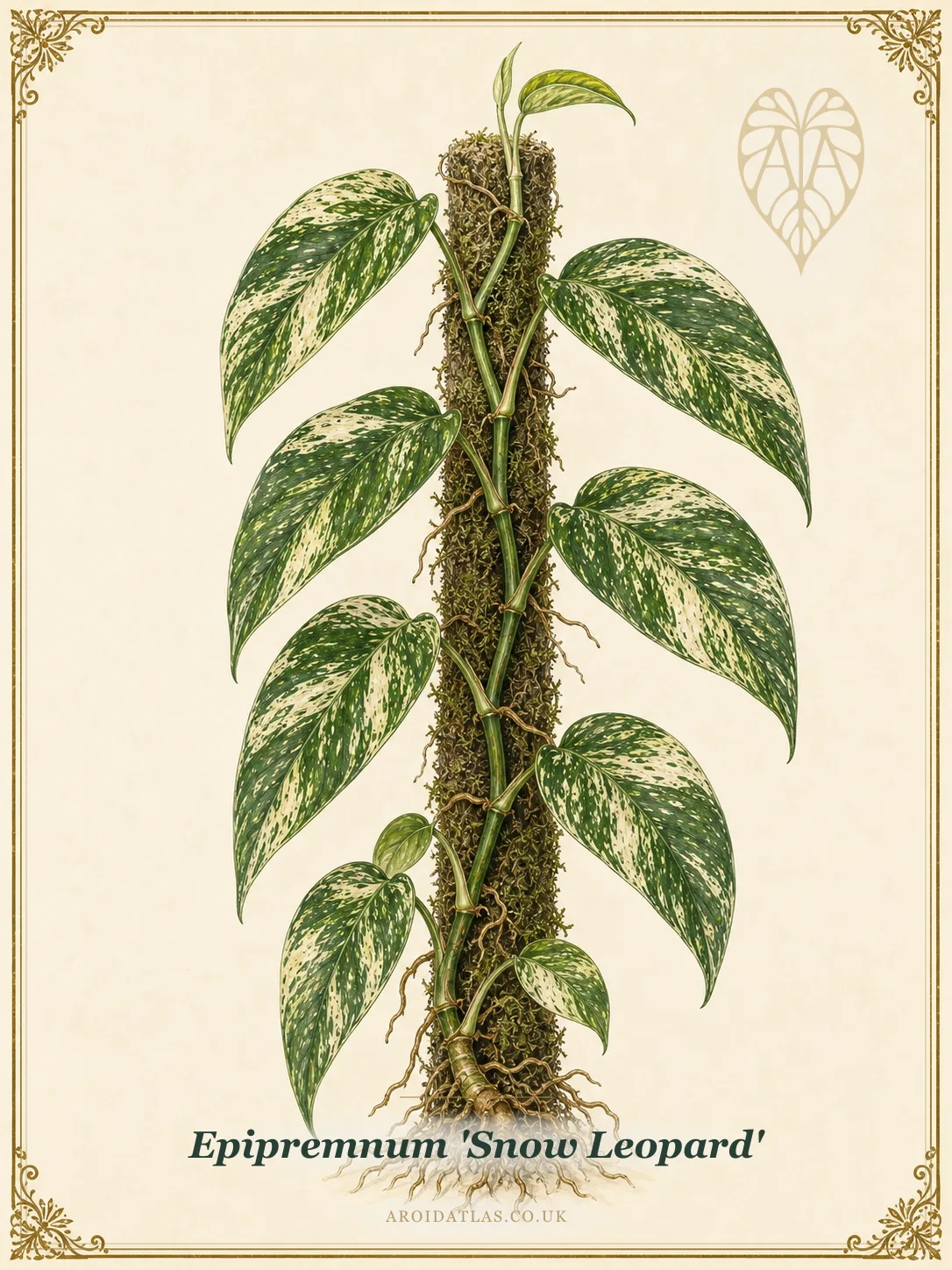
Snow Leopard Epipremnum
Typical UK price
£7
Limited data
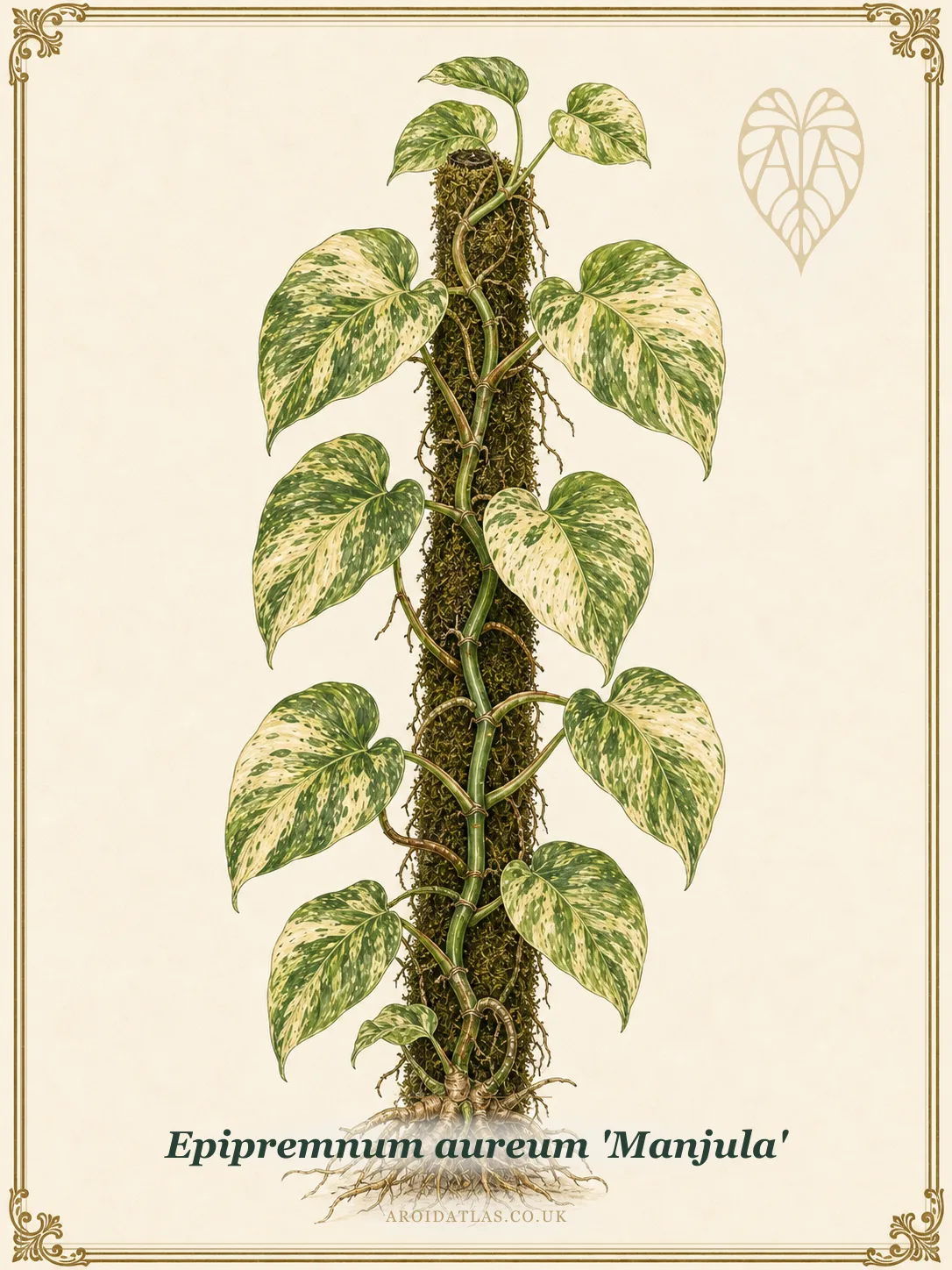
Manjula Pothos
Typical UK price, 12cm pot
£6
Limited data
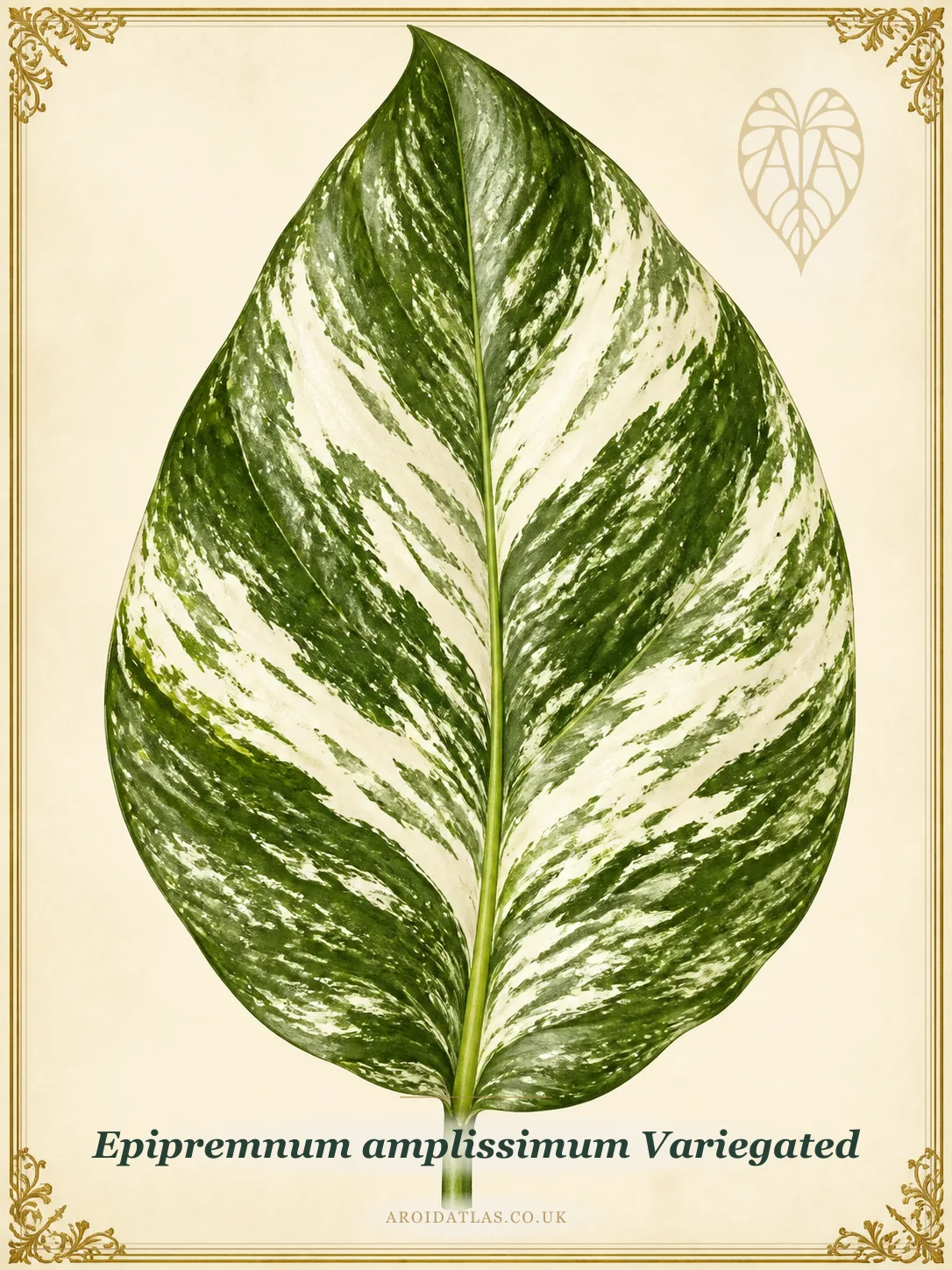
Variegated Amplissimum Aroid
Typical UK price
£16
Verified
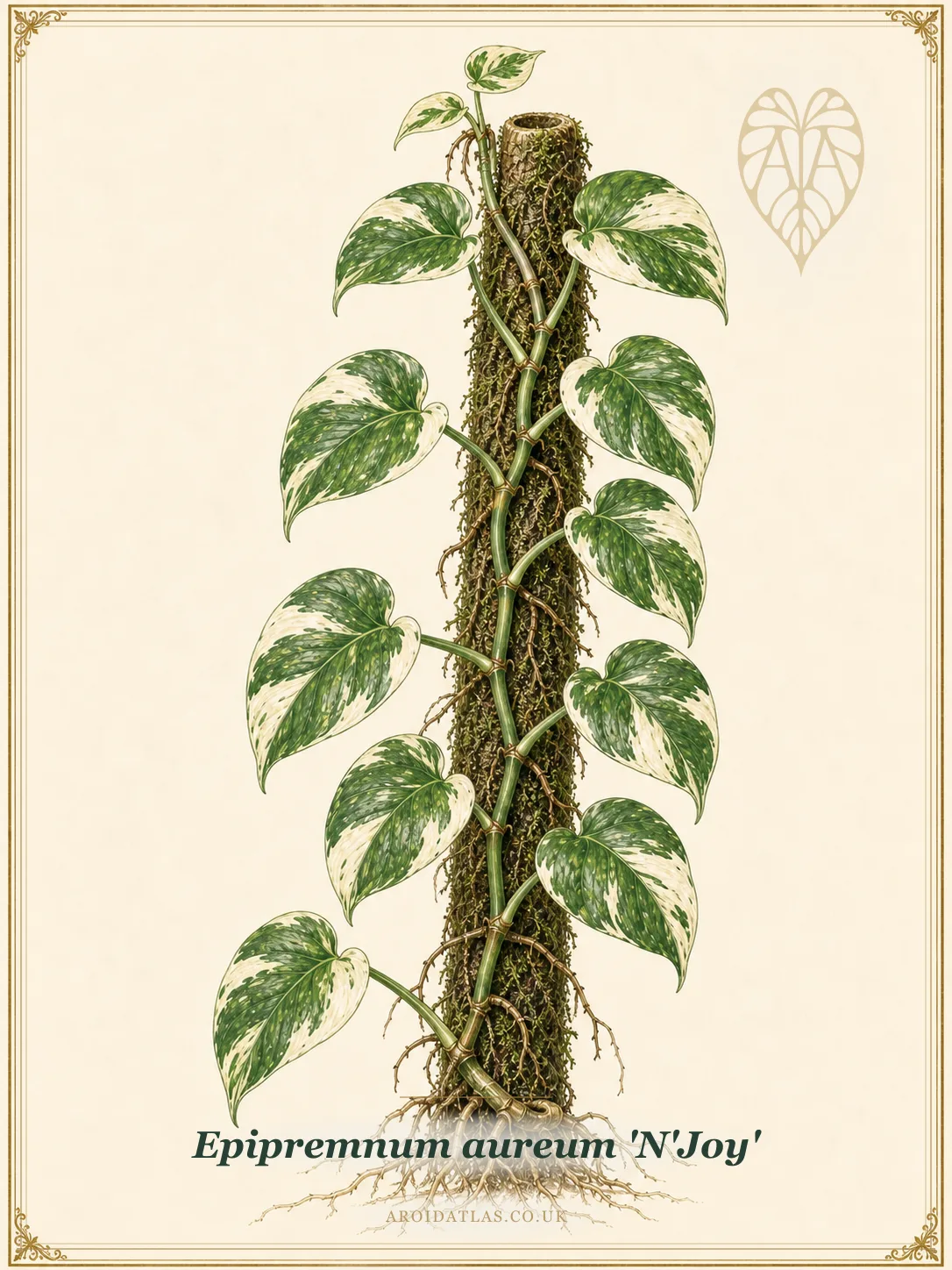
N'Joy Pothos
Typical UK price
£8
Verified
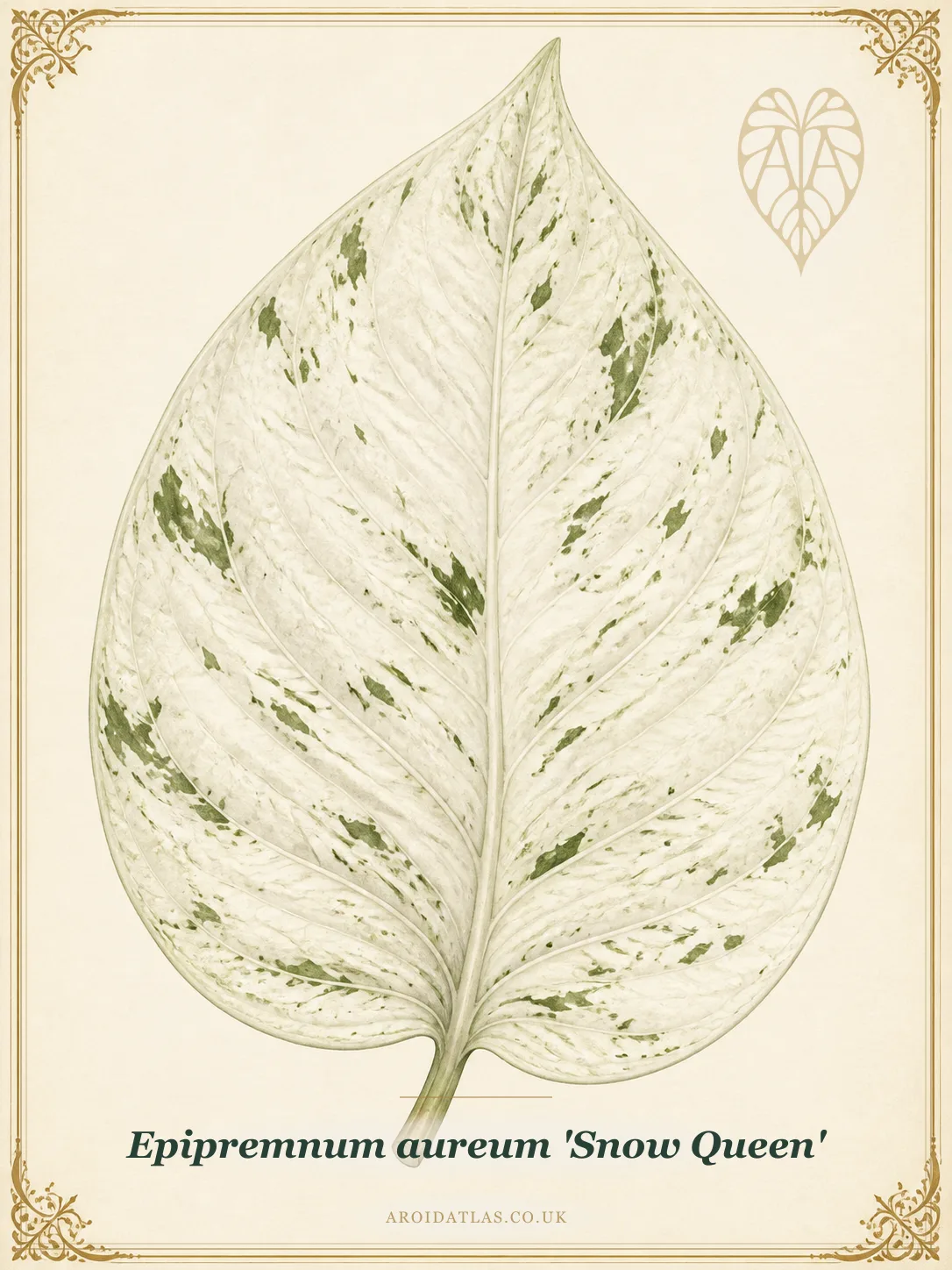
Snow Queen Pothos
Typical UK price
£14
Verified
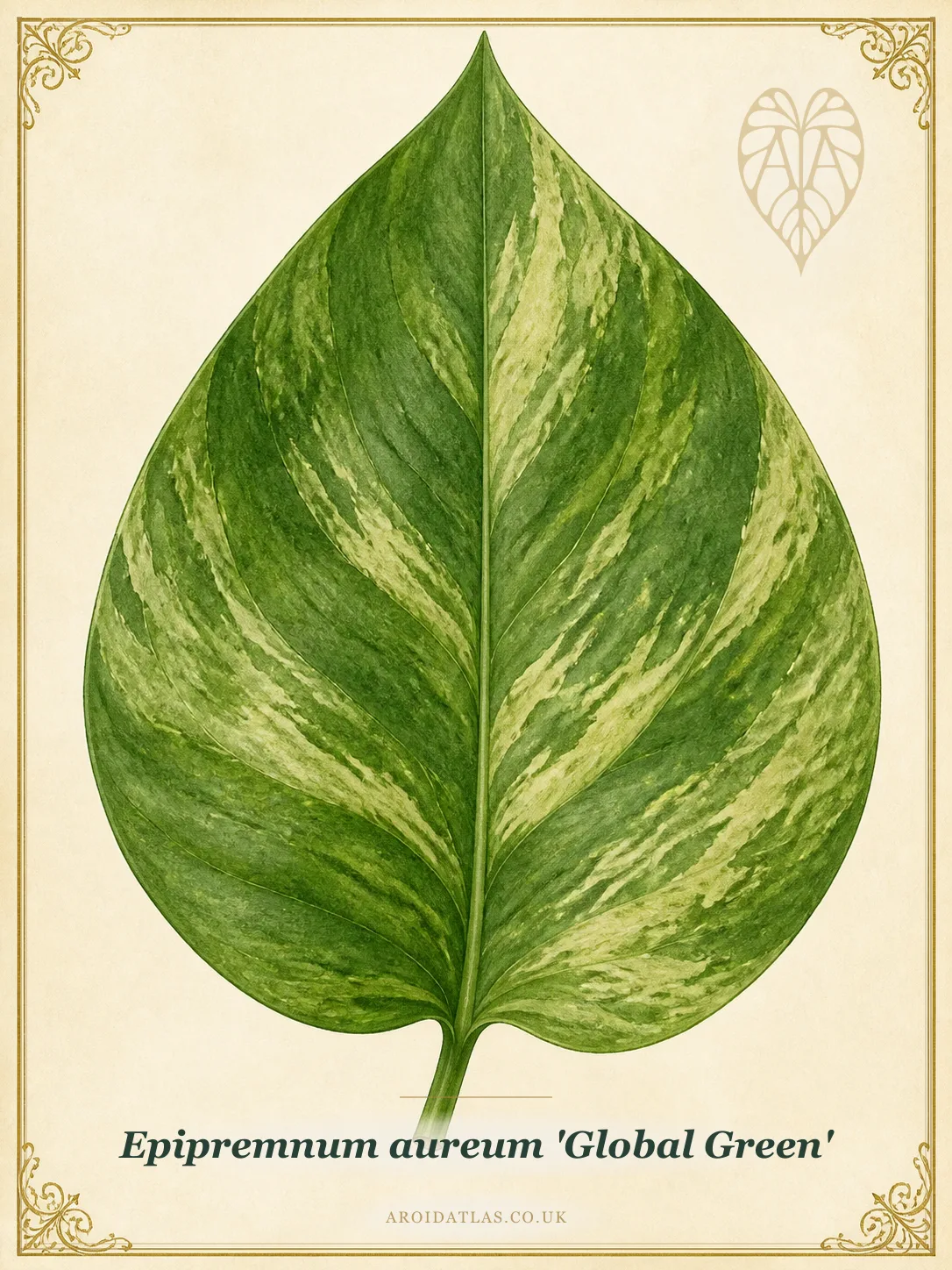
Global Green Pothos
Typical UK price
£10
Limited data
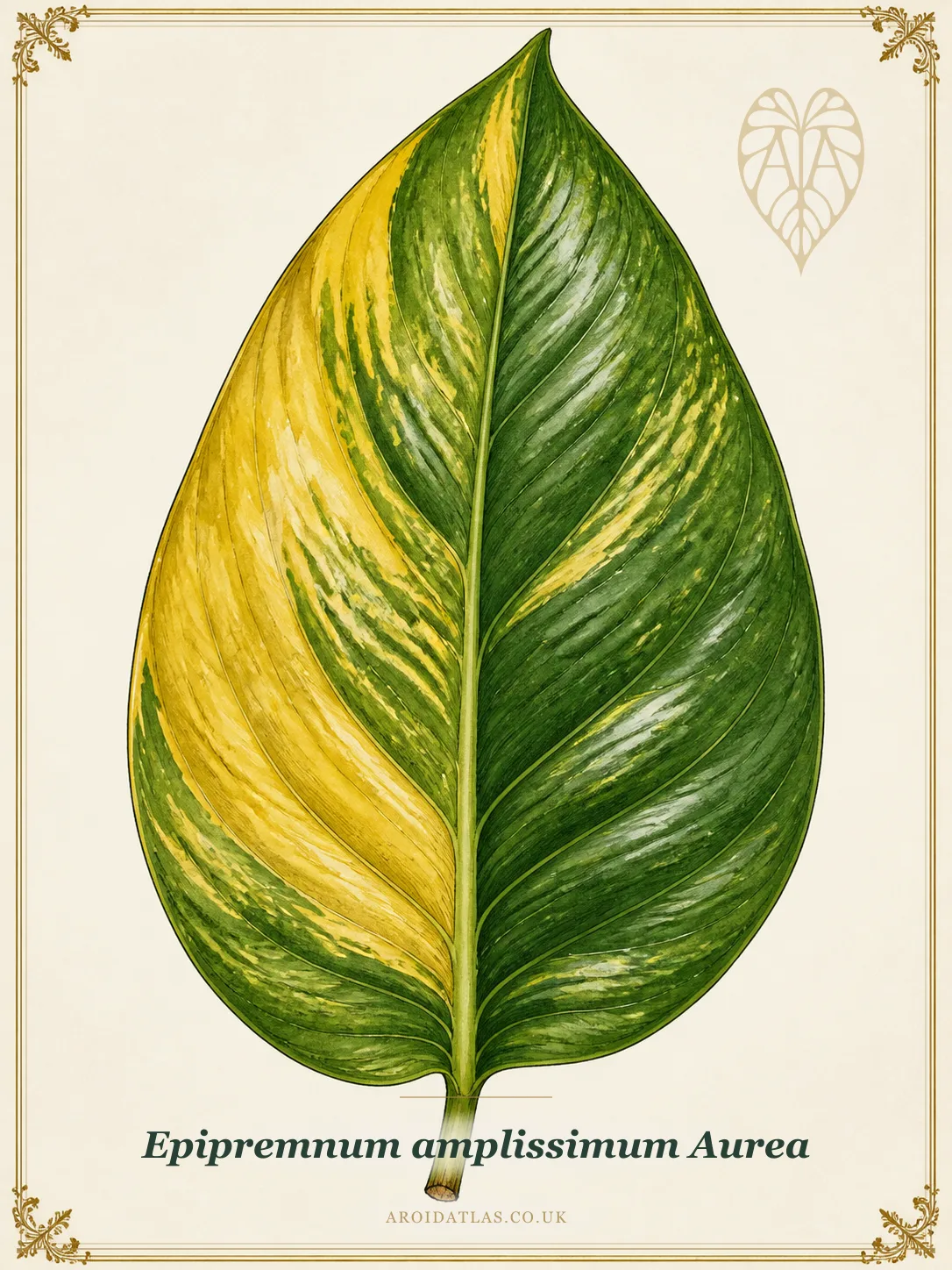
Aurea Amplissimum Aroid
Typical UK price
£12
Verified
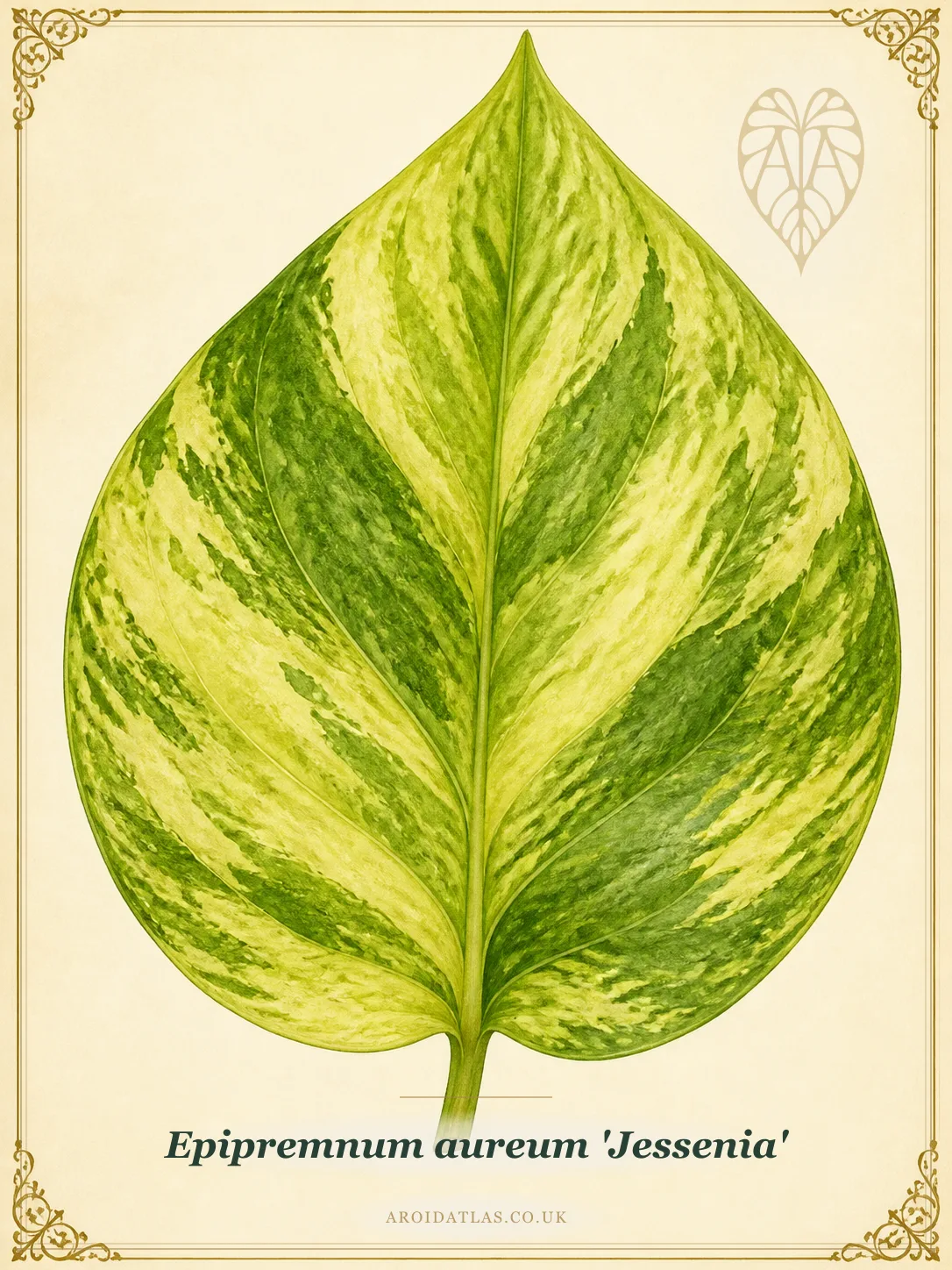
Jessenia Pothos
Typical UK price
£12
Limited data
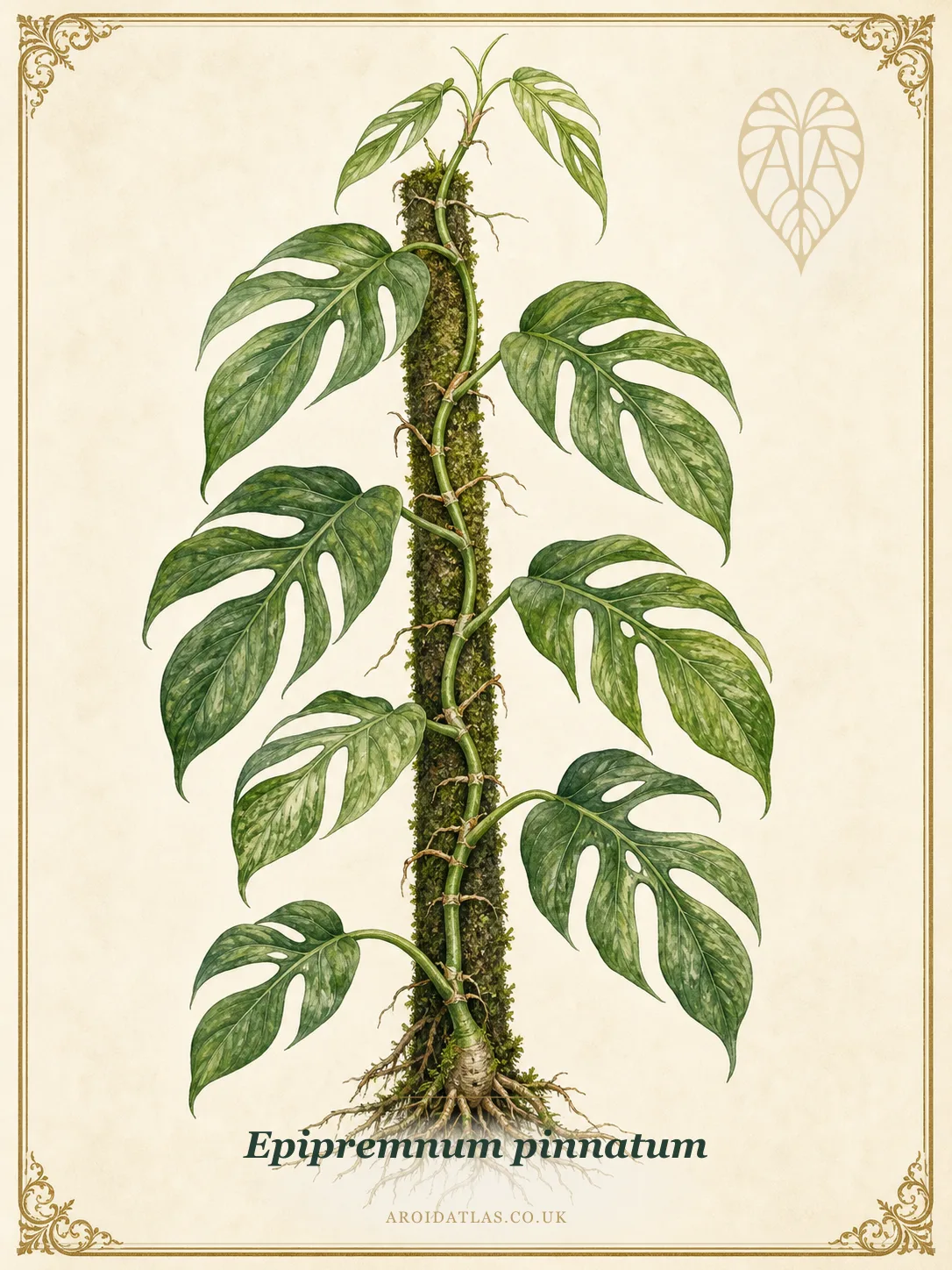
Dragon Tail Plant
Typical UK price
£37
Limited data
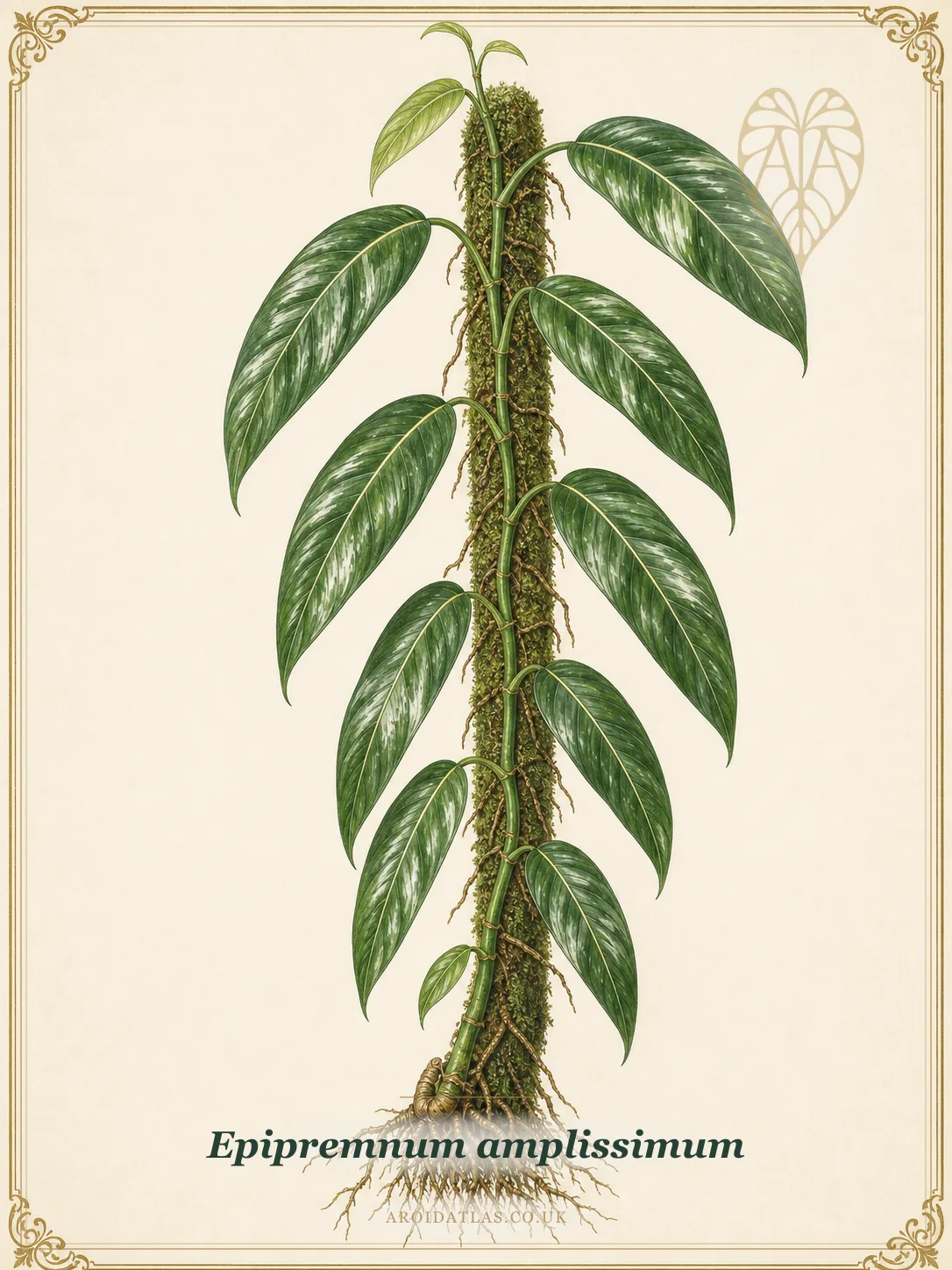
Amplissimum Aroid
Typical UK price
£15
Limited data
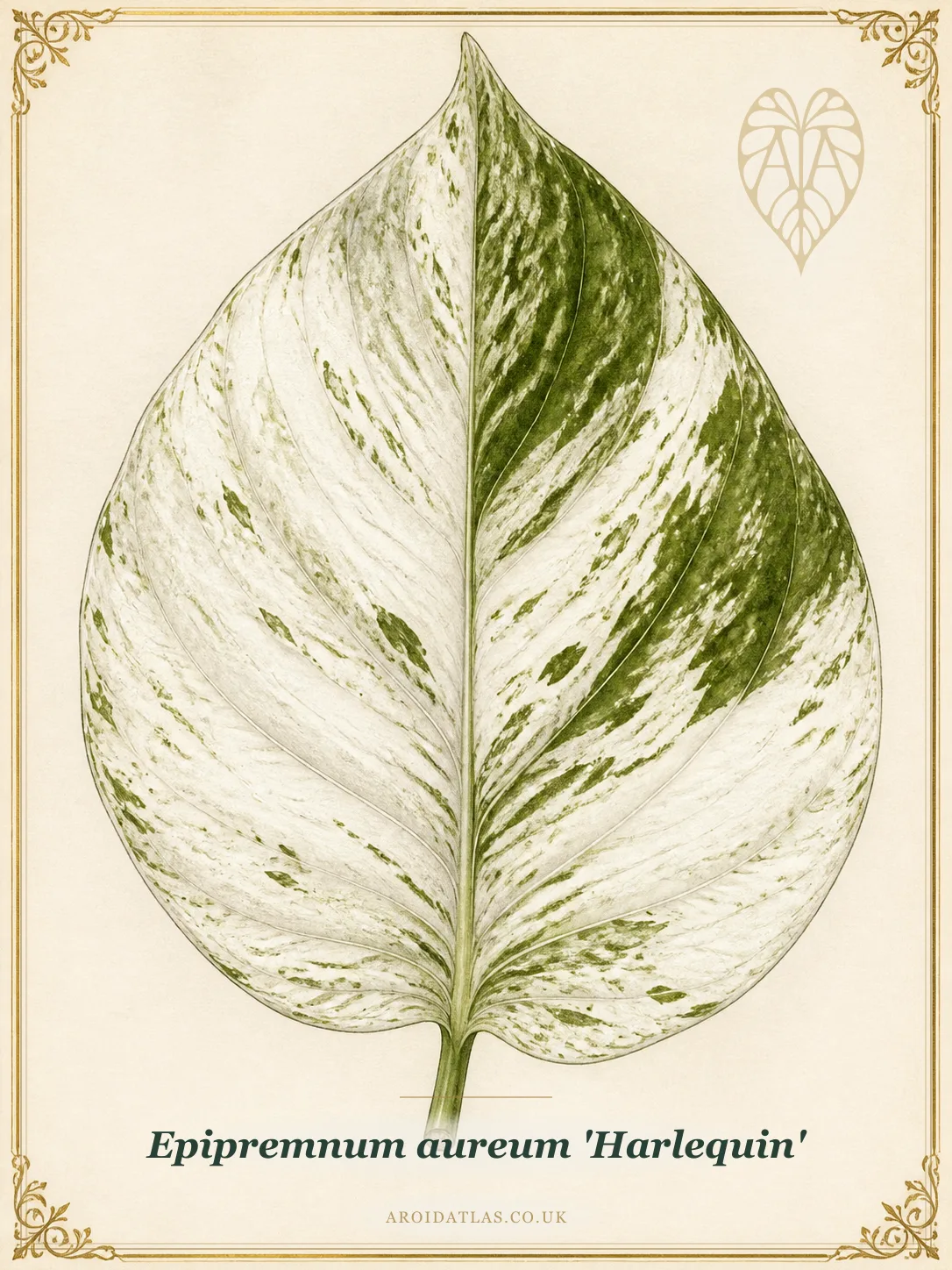
Harlequin Pothos
Typical UK price
£12
Limited data
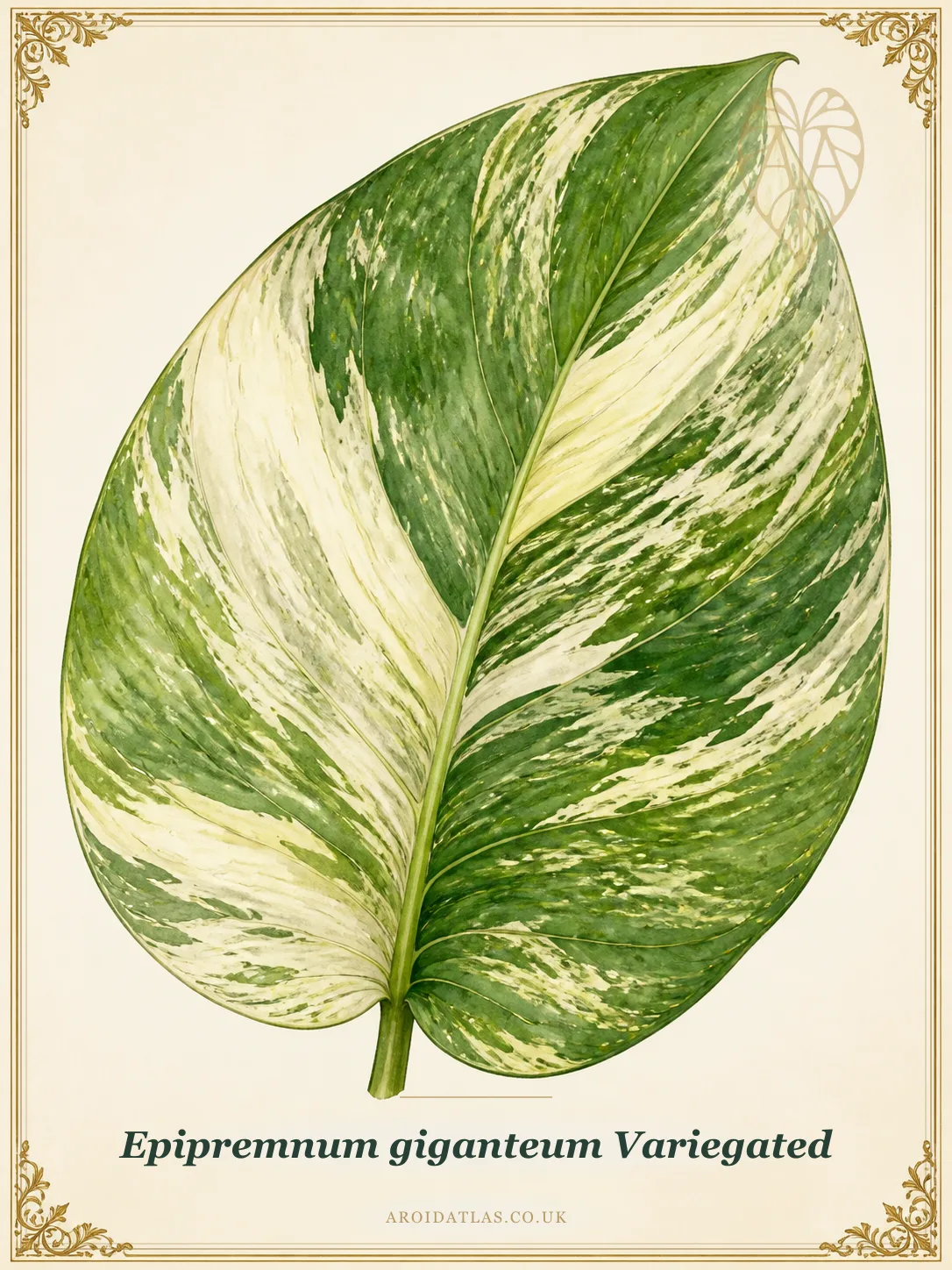
Marble Variegated Giant Epipremnum
Typical UK price
£24
Limited data
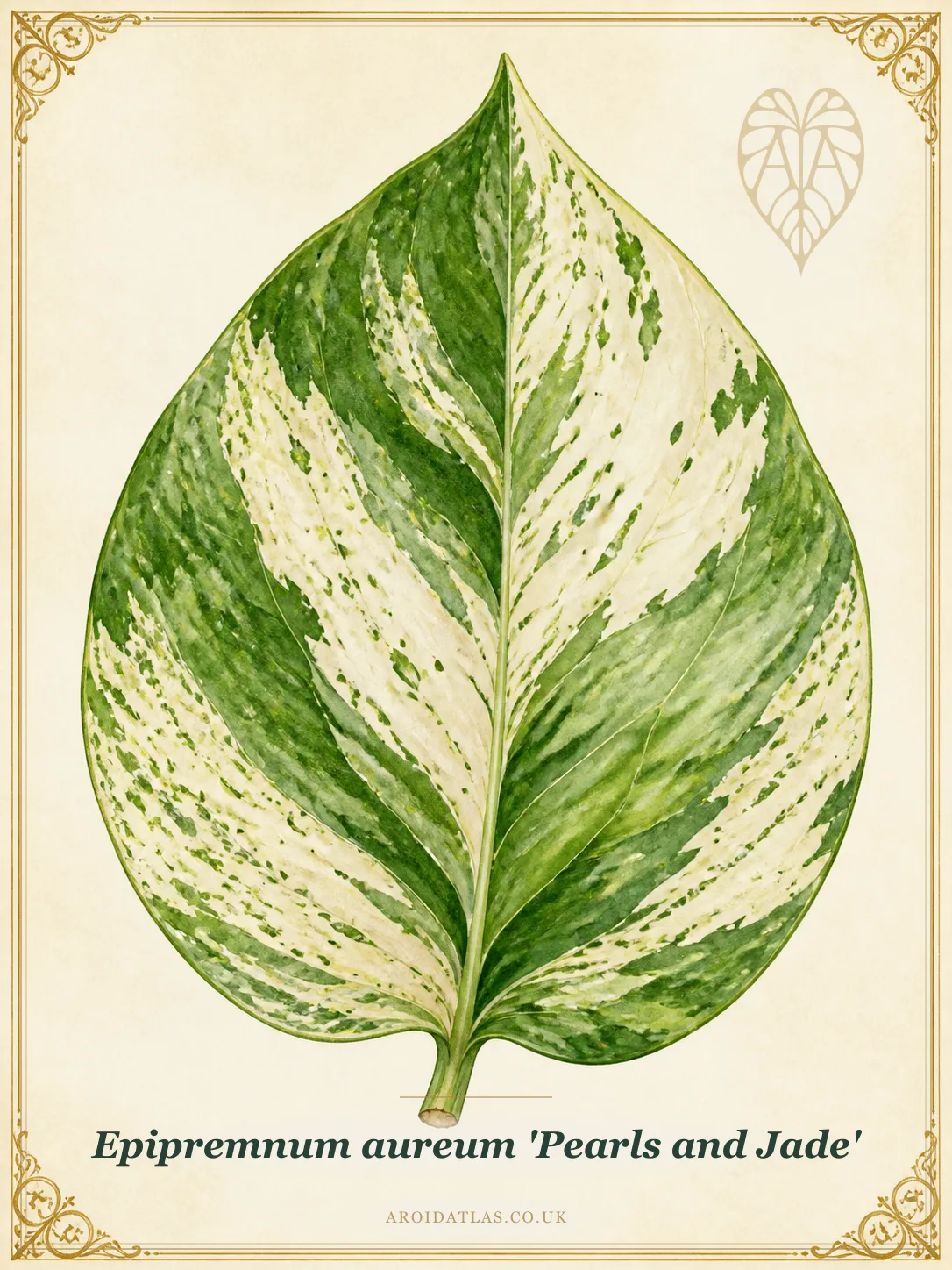
Pearls and Jade Pothos
Typical UK price, unrooted cutting
£12
Limited data
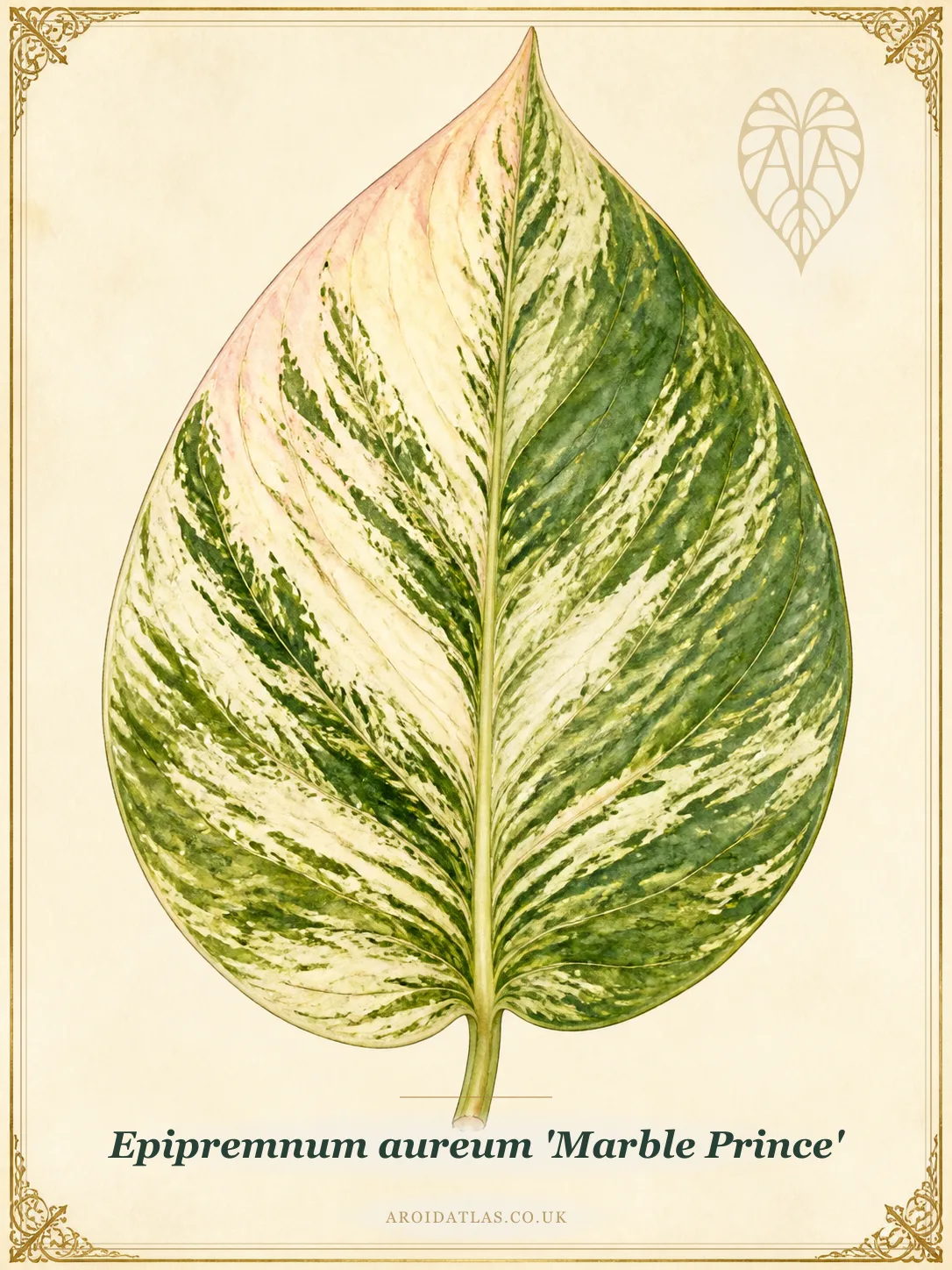
Marble Prince Pothos
UK price
£5 to £25
Estimate
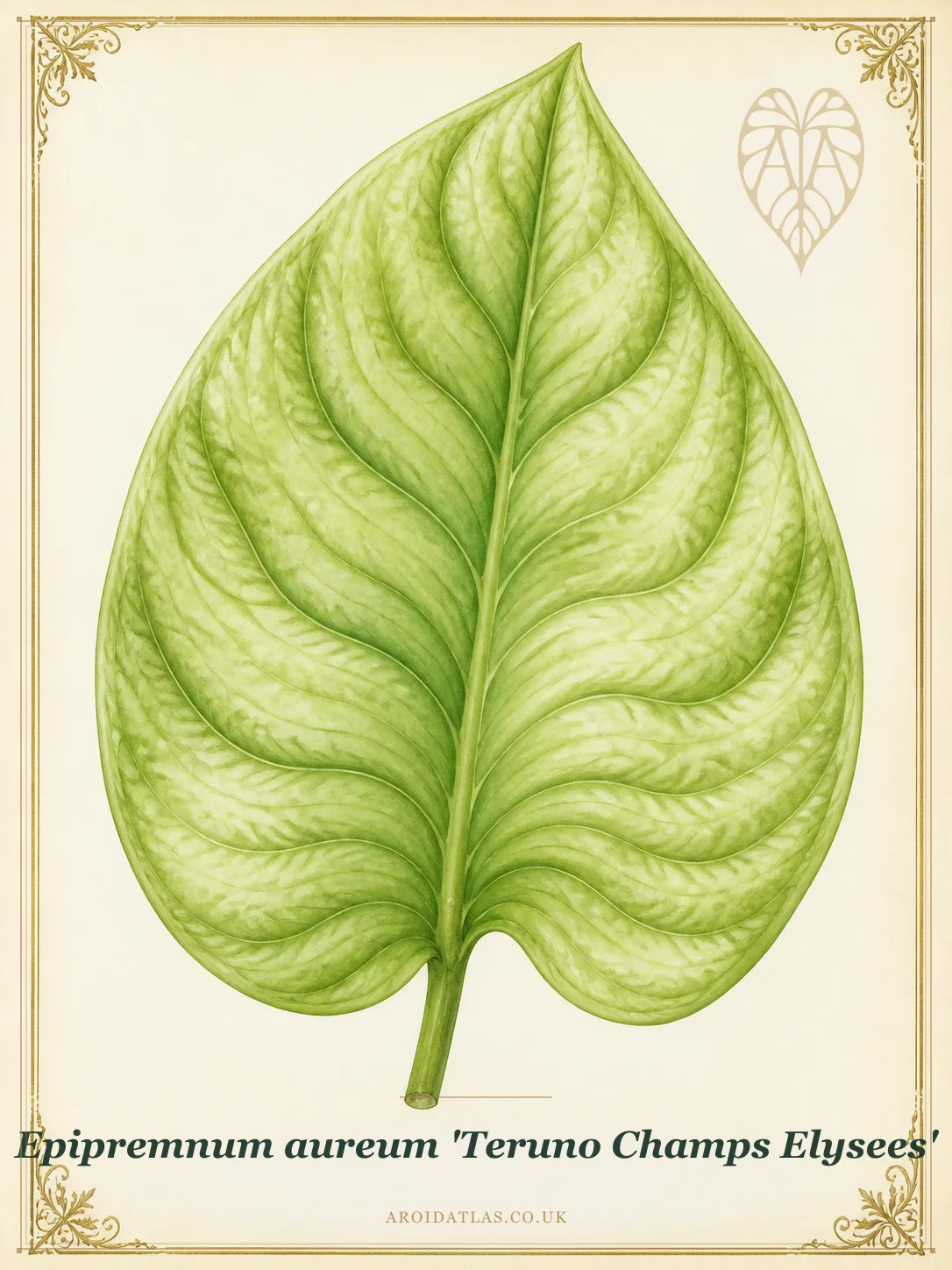
Champs Élysées Pothos
UK price
£25 to £80
Estimate
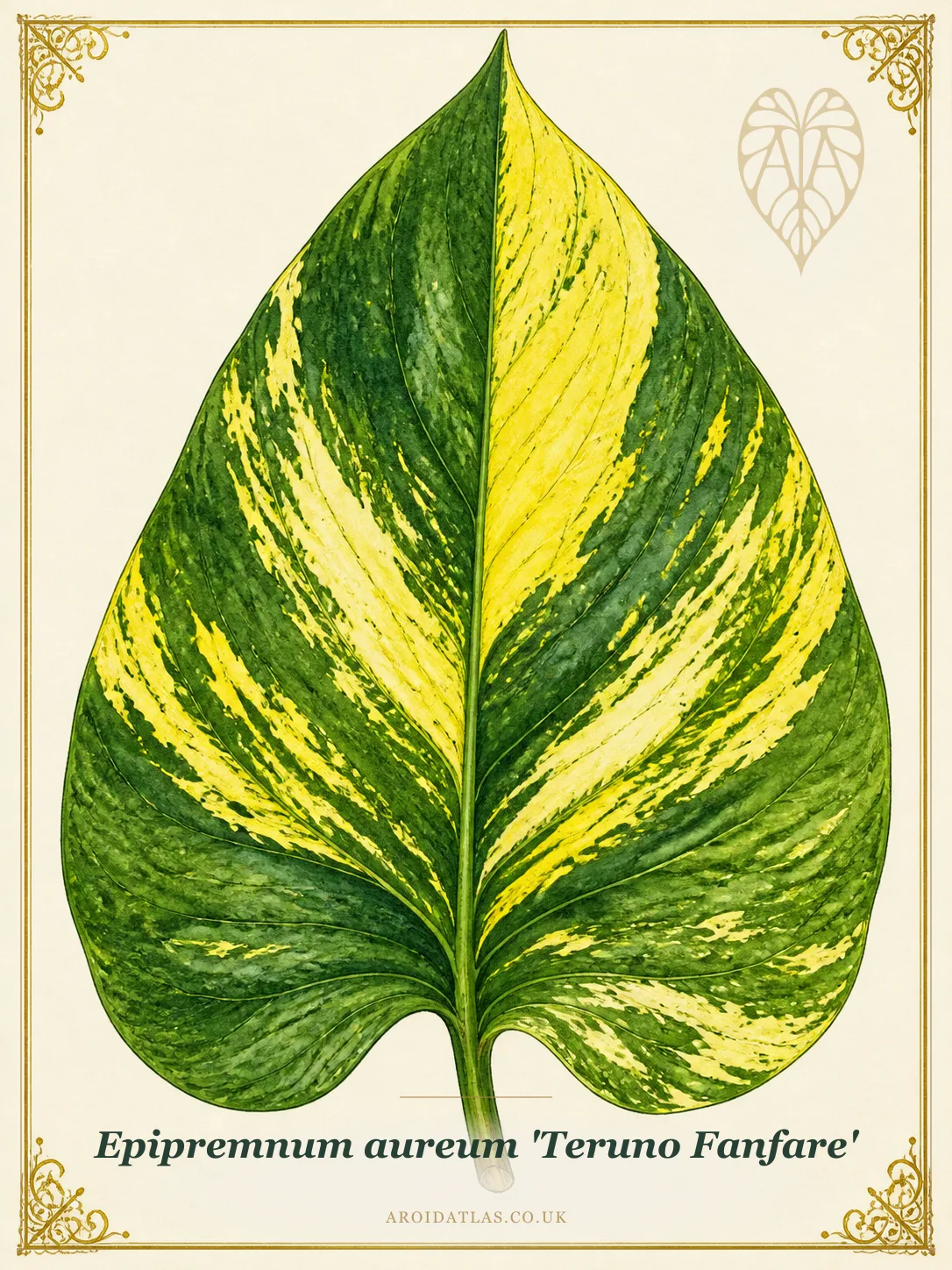
Fanfare Pothos
UK price
£25 to £80
Estimate
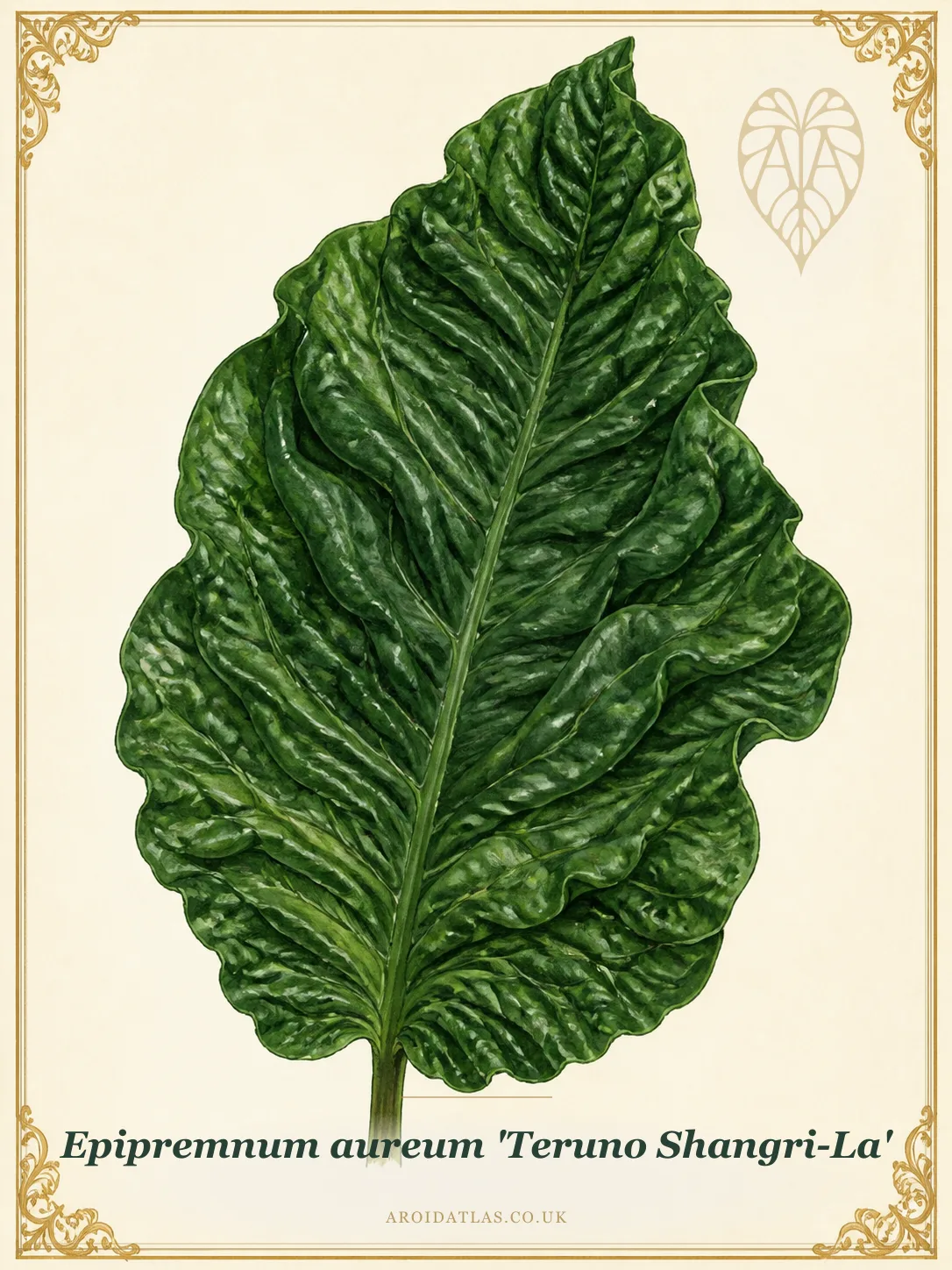
Shangri-La Pothos
UK price
£5 to £25
Estimate
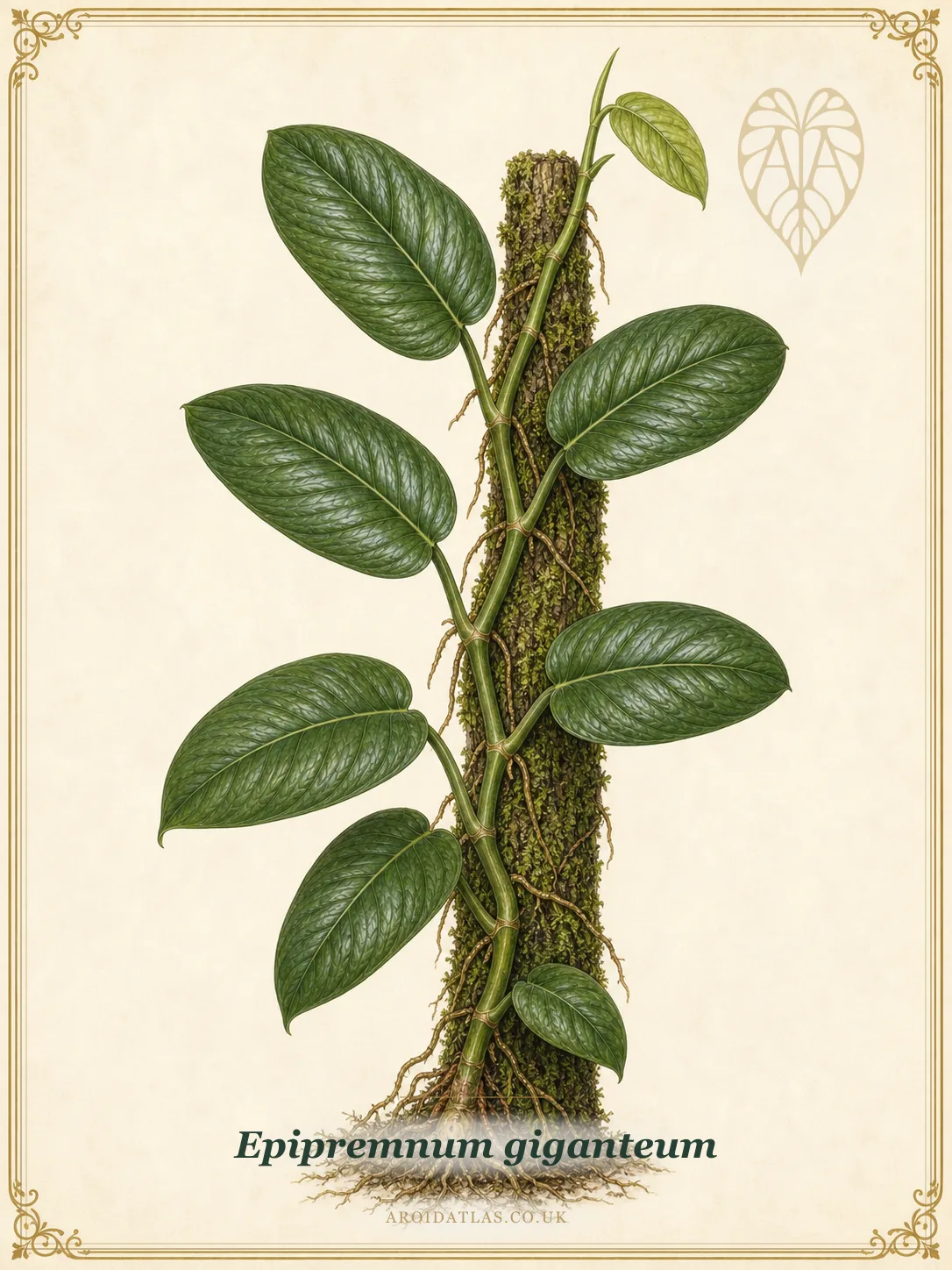
Giant Epipremnum
UK price
£5 to £25
Estimate
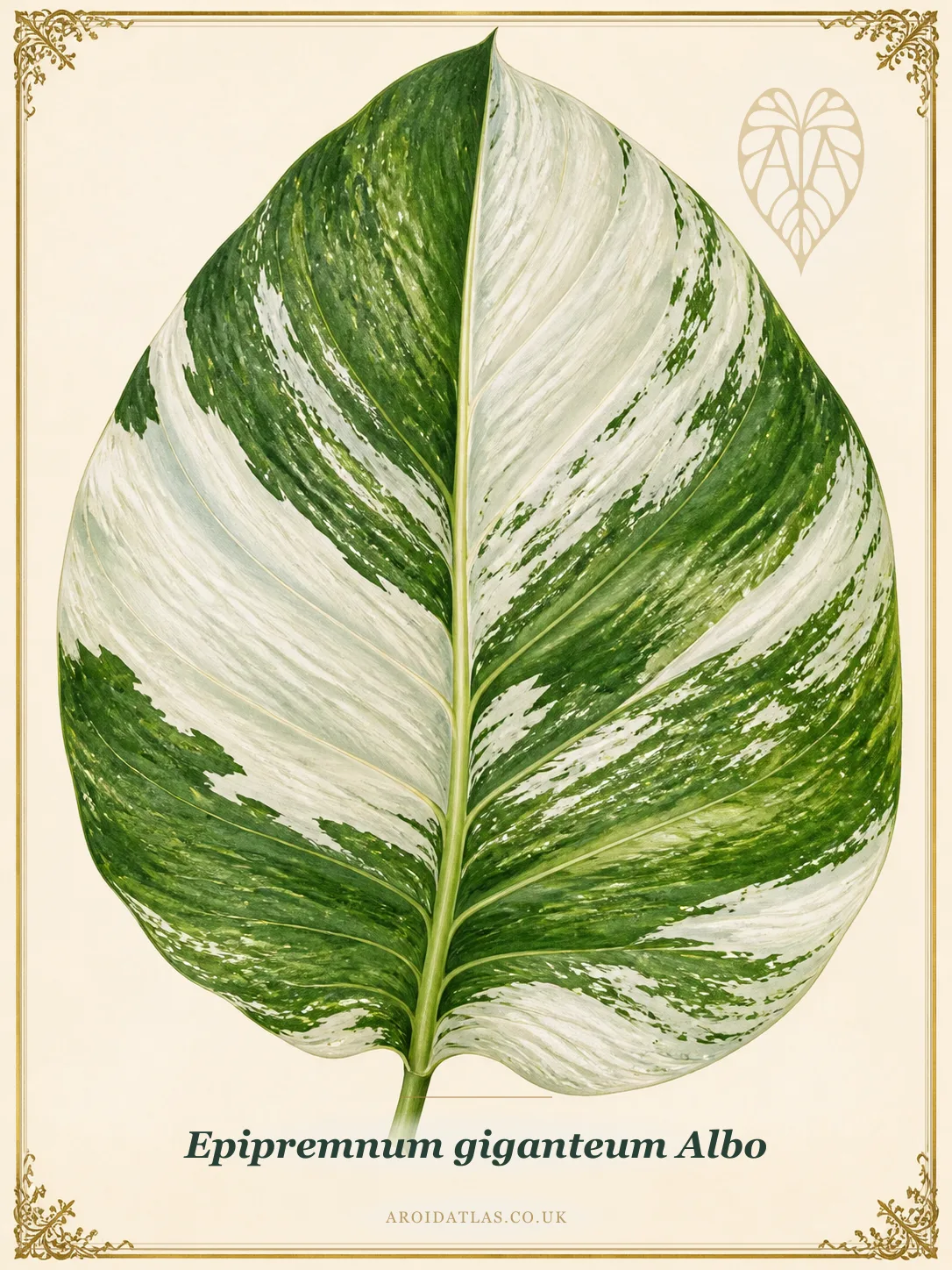
Albo Giant Epipremnum
UK price
£5 to £25
Estimate
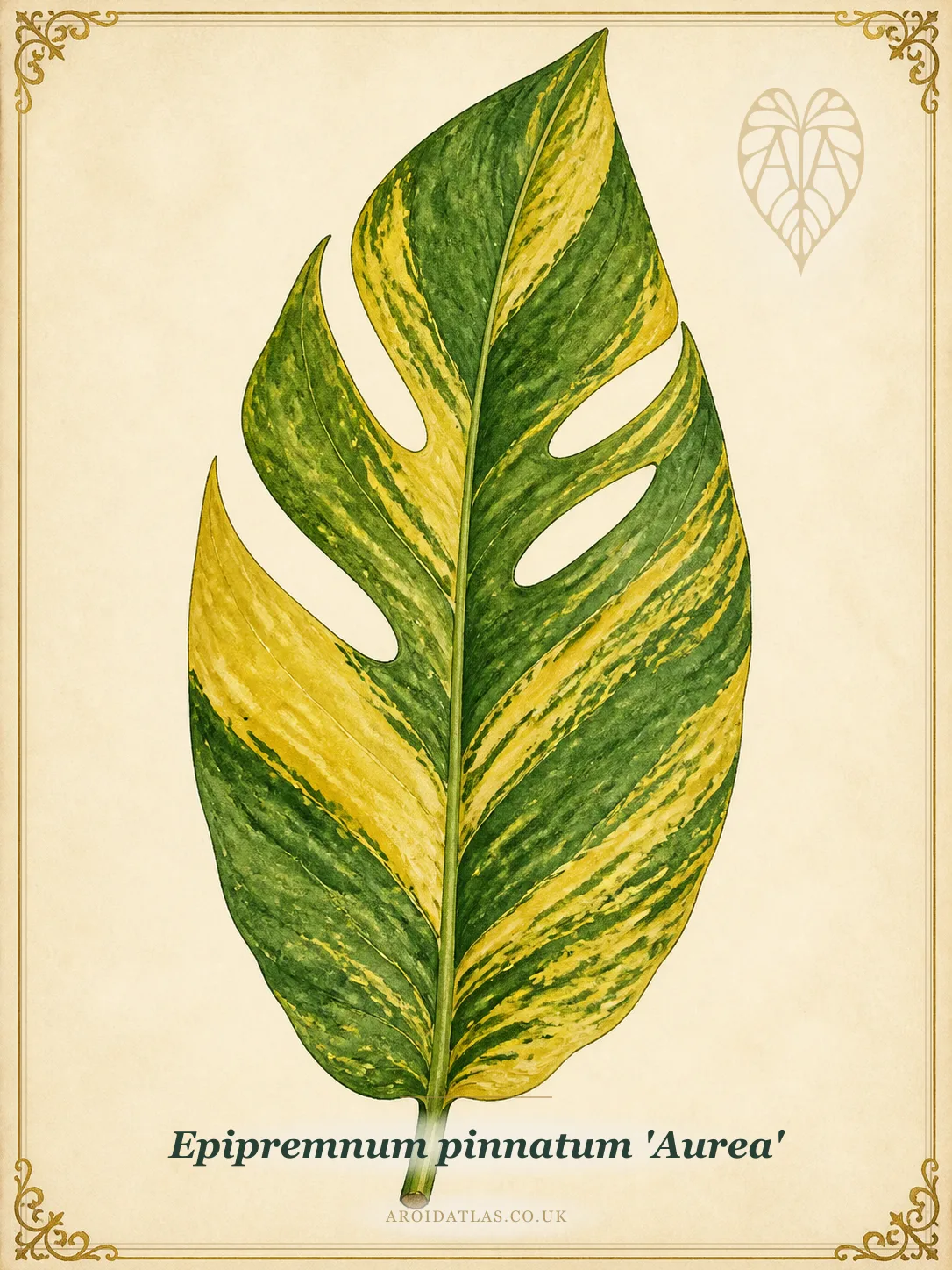
Golden Dragon Tail Plant
UK price
£5 to £25
Estimate
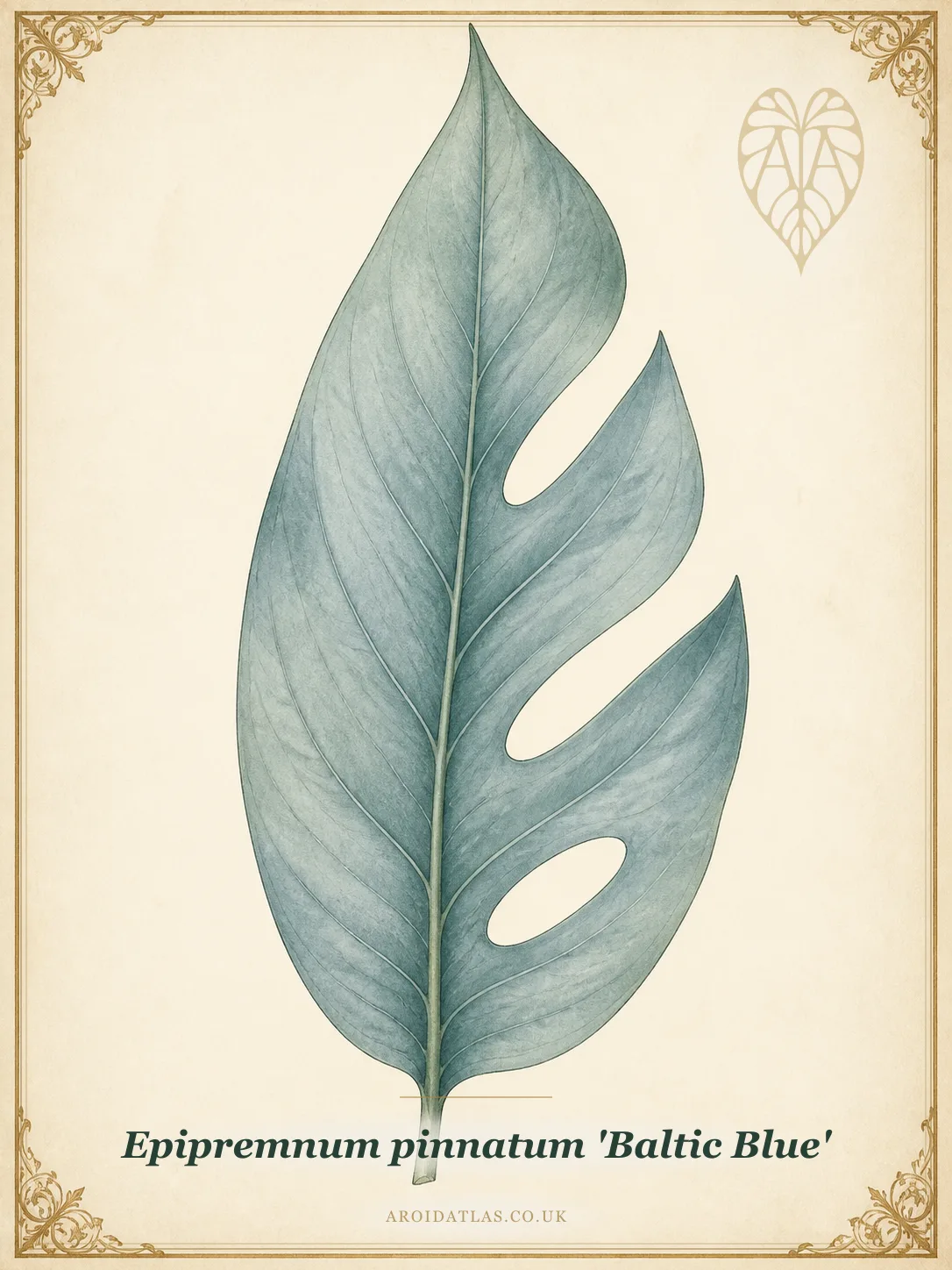
Baltic Blue Pothos
UK price
£5 to £25
Estimate
Care Notes
- Epipremnum tolerates lower light and drier conditions than most other aroids in this catalogue, but leaf size and fenestration in E. pinnatum and E. giganteum only develop with a support to climb and consistently bright, indirect light.
- Variegated E. aureum cultivars (Marble Queen, N'Joy, Snow Queen, Harlequin) are chimeric sports: a plain-green cutting from the same plant won't regrow the variegation, and heavily white forms like Snow Queen and Harlequin need enough remaining green tissue to photosynthesise or they weaken.
- 'Cebu Blue' and 'Baltic Blue' are colour selections of E. pinnatum, not distinct species; their blue-grey sheen is a stable natural colouration, not variegation.
Frequently Asked Questions
'Pothos' is the common trade name for Epipremnum aureum specifically; the genus Epipremnum includes several other species (E. pinnatum, E. giganteum, E. amplissimum) that are grown and traded separately, not as 'pothos.'
Fenestration in E. pinnatum and E. giganteum develops with maturity and generally needs something to climb; juvenile and unsupported trailing plants usually keep solid, unsplit leaves.
No, both are named colour selections of Epipremnum pinnatum, distinguished by leaf sheen and blue-grey intensity rather than any structural difference.
Heavily white-variegated cultivars have less chlorophyll-bearing leaf tissue to photosynthesise with; they generally need brighter light and grow slower than plainer green forms of the same species.