Rhaphidophora
Rhaphidophora is a Southeast Asian and Pacific genus of climbing aroids most familiar through R. tetrasperma, widely (and inaccurately) sold as 'Mini Monstera' for its superficially similar fenestrated leaves; the two genera aren't closely related. Leaf form varies widely across the genus, from R. tetrasperma's small four-lobed leaf to the shingling, flat-pressed foliage of R. hayi and R. latevaginata.
Species & Cultivars
18
Price Range
£10 – £900
Median Price
£24
Most Traded Rhaphidophora
Rhaphidophora cryptantha 'Variegated' →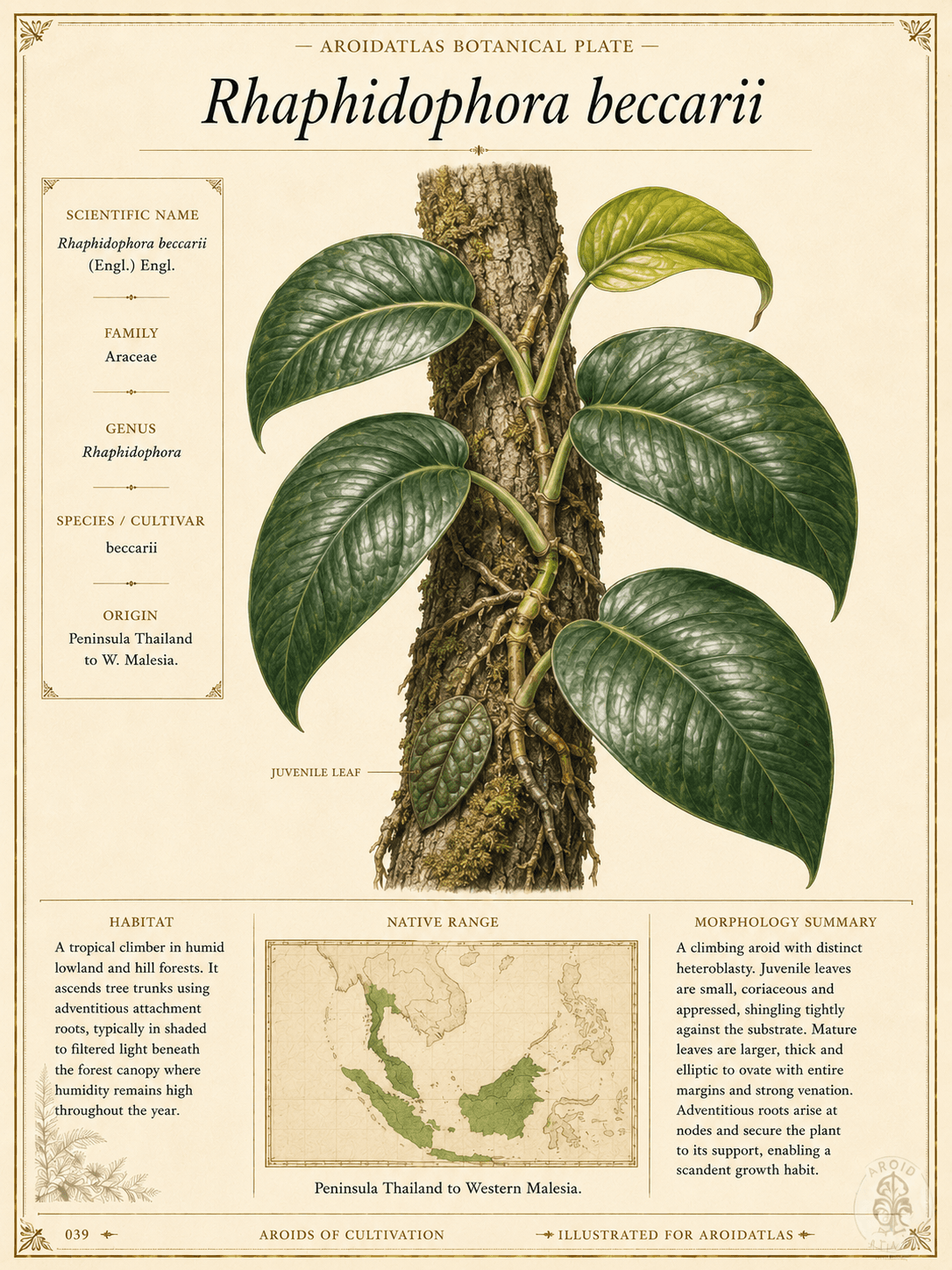
Rhaphidophora beccarii
Beccari's Rhaphidophora
£35 AA PriceBase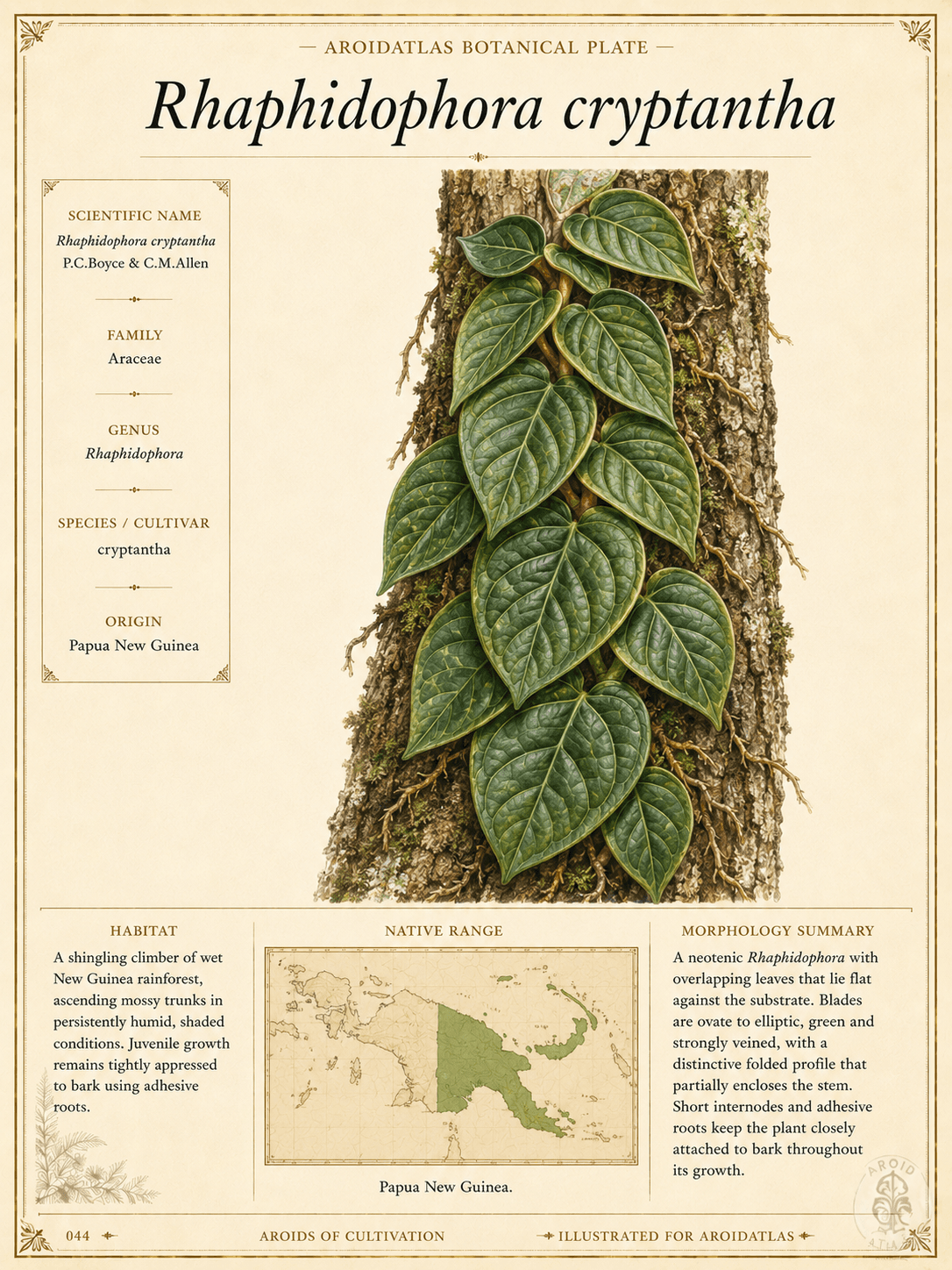
Rhaphidophora cryptantha
Shingling Rhaphidophora
£23 AA PriceBase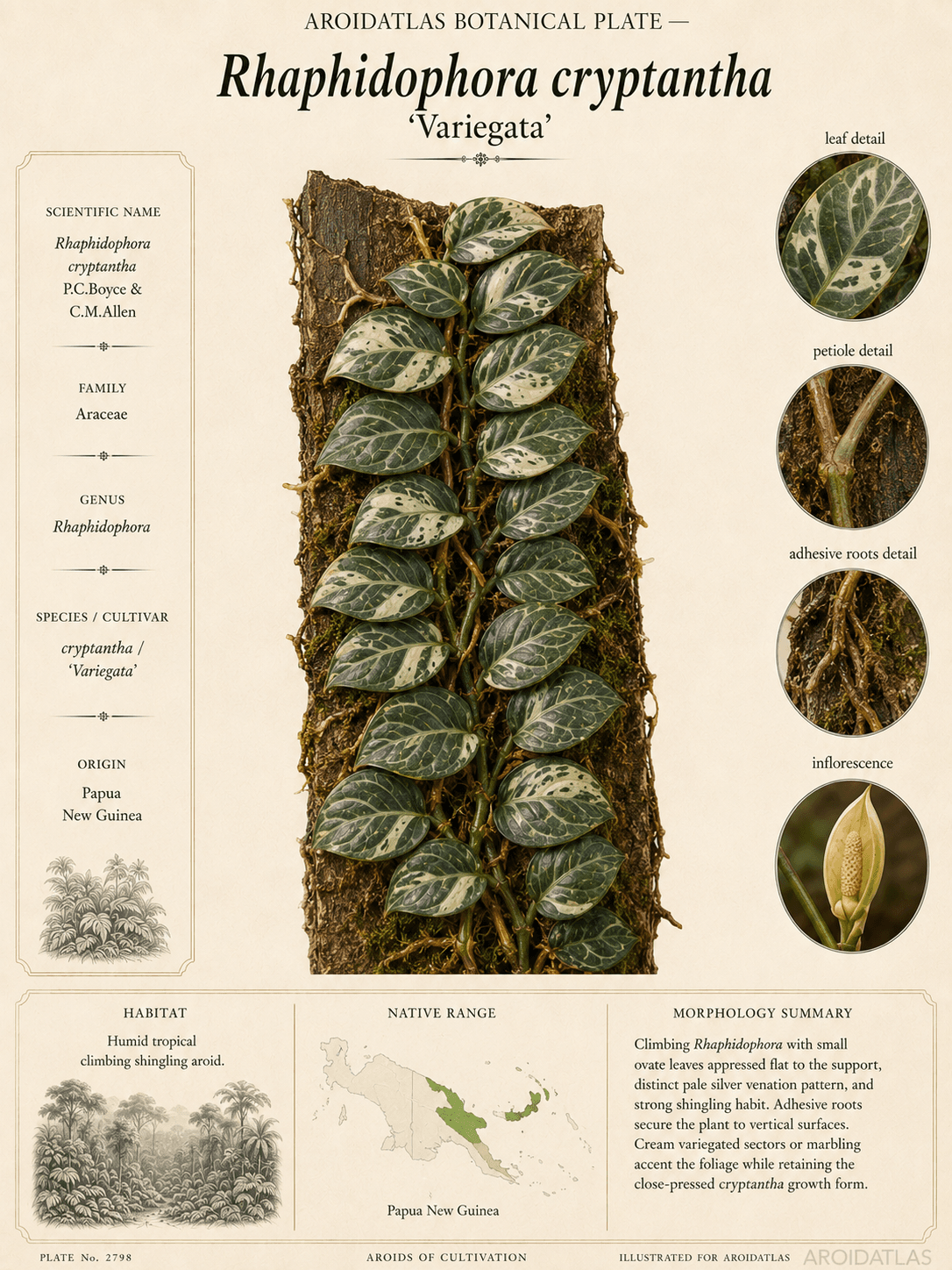
Rhaphidophora cryptantha 'Variegated'
Variegated Cryptantha Rhaphidophora
£23 AA PriceVariegated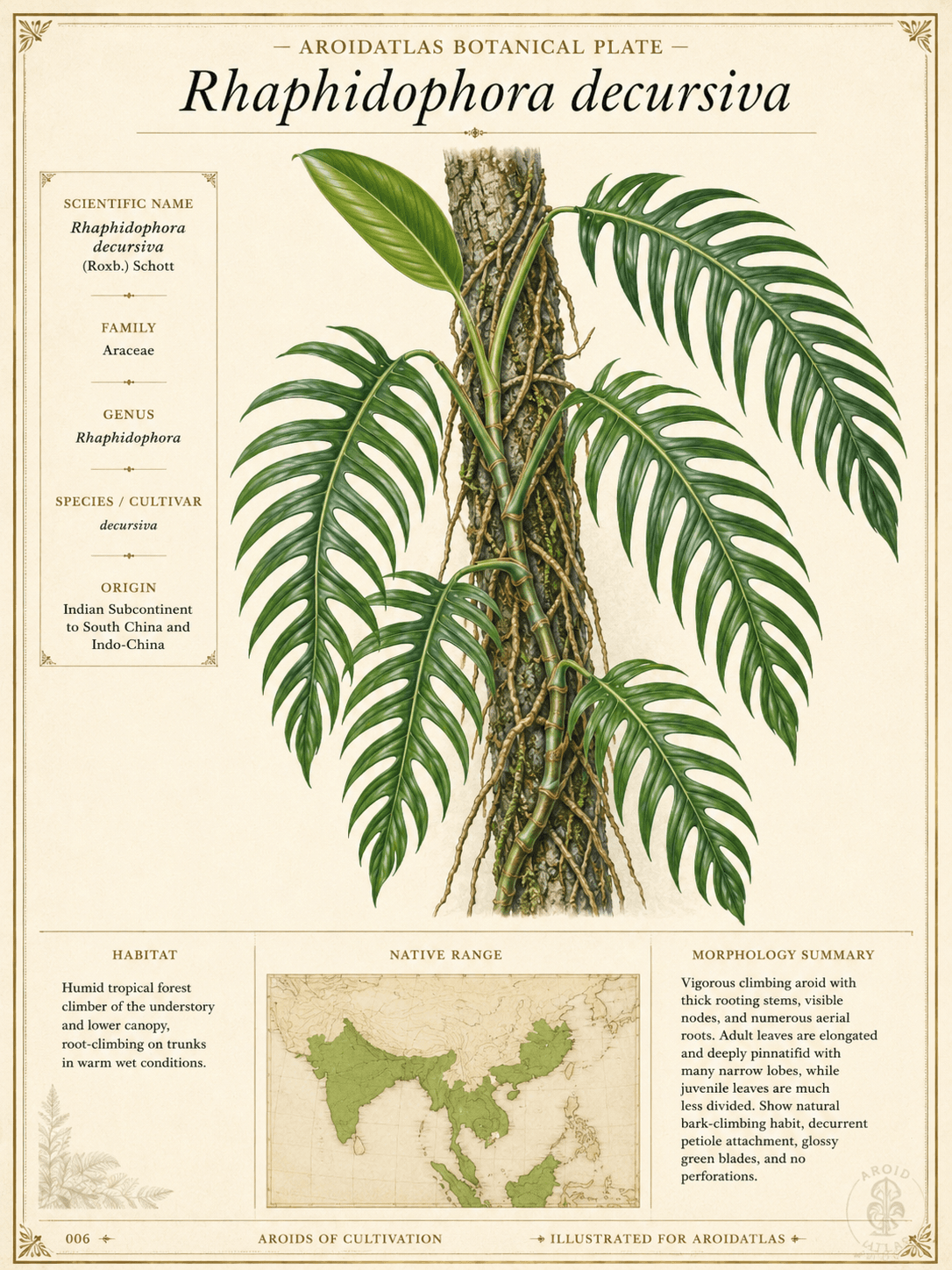
Rhaphidophora decursiva
Creeping Dragon Tail
£45 AA PriceBase
Rhaphidophora decursiva 'Aurea'
Golden Creeping Dragon Tail
£190 AA PriceAurea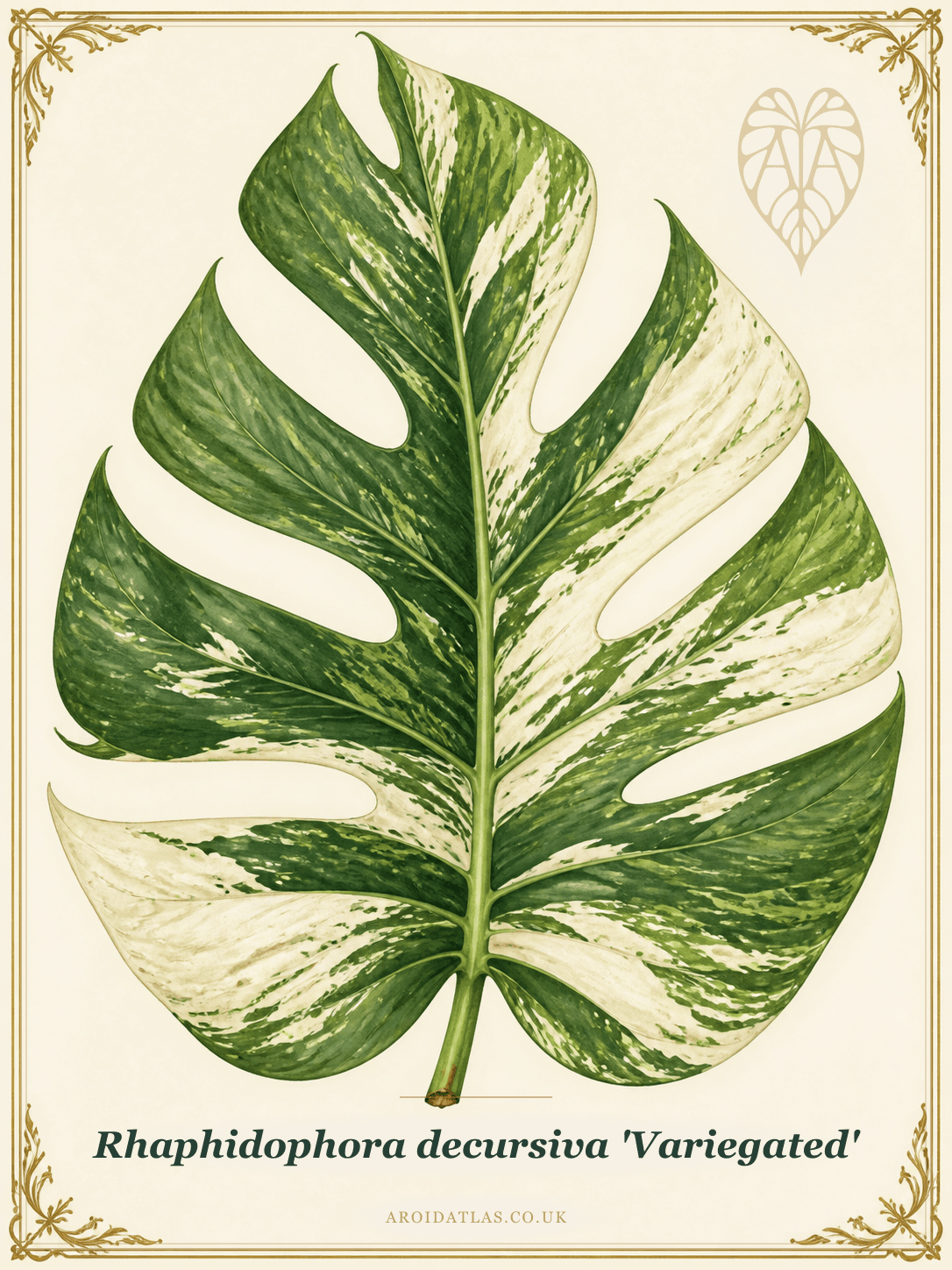
Rhaphidophora decursiva 'Variegated'
Variegated Dragon Tail Plant
£900 AA PriceVariegated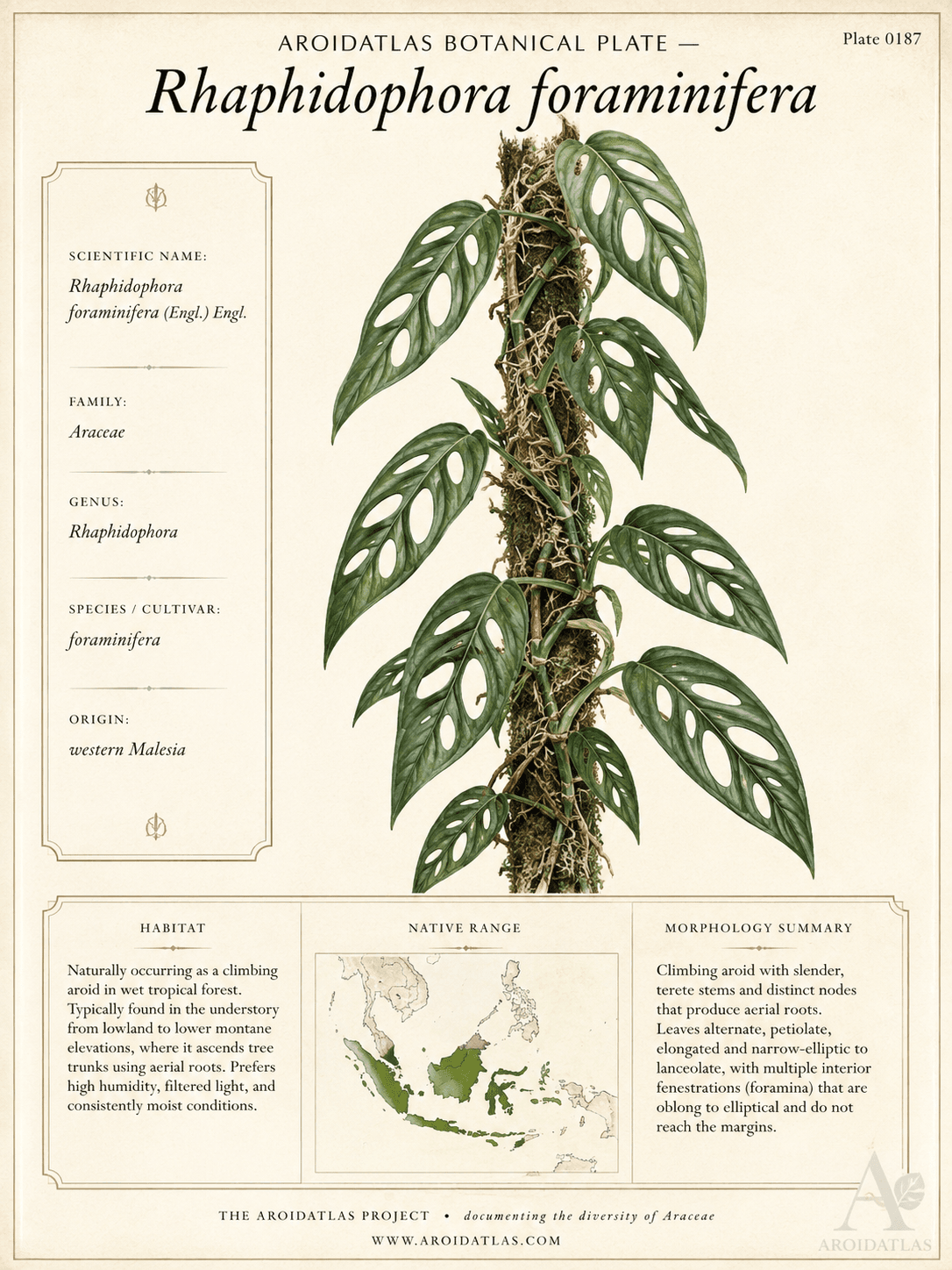
Rhaphidophora foraminifera
Rhaphidophora Swiss Cheese Plant
£21 AA PriceBase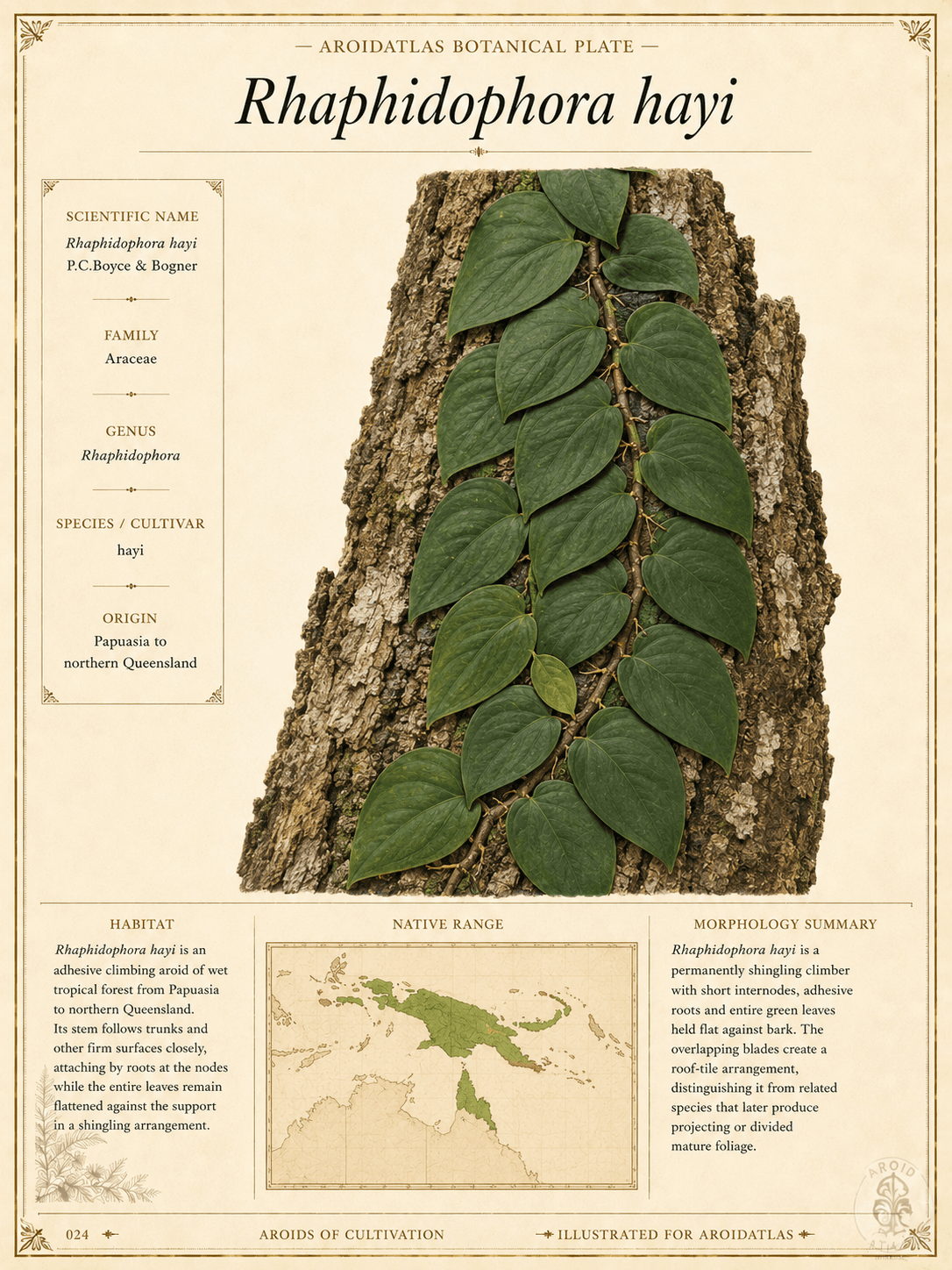
Rhaphidophora hayi
Roof-Tile Rhaphidophora
£21 AA PriceBase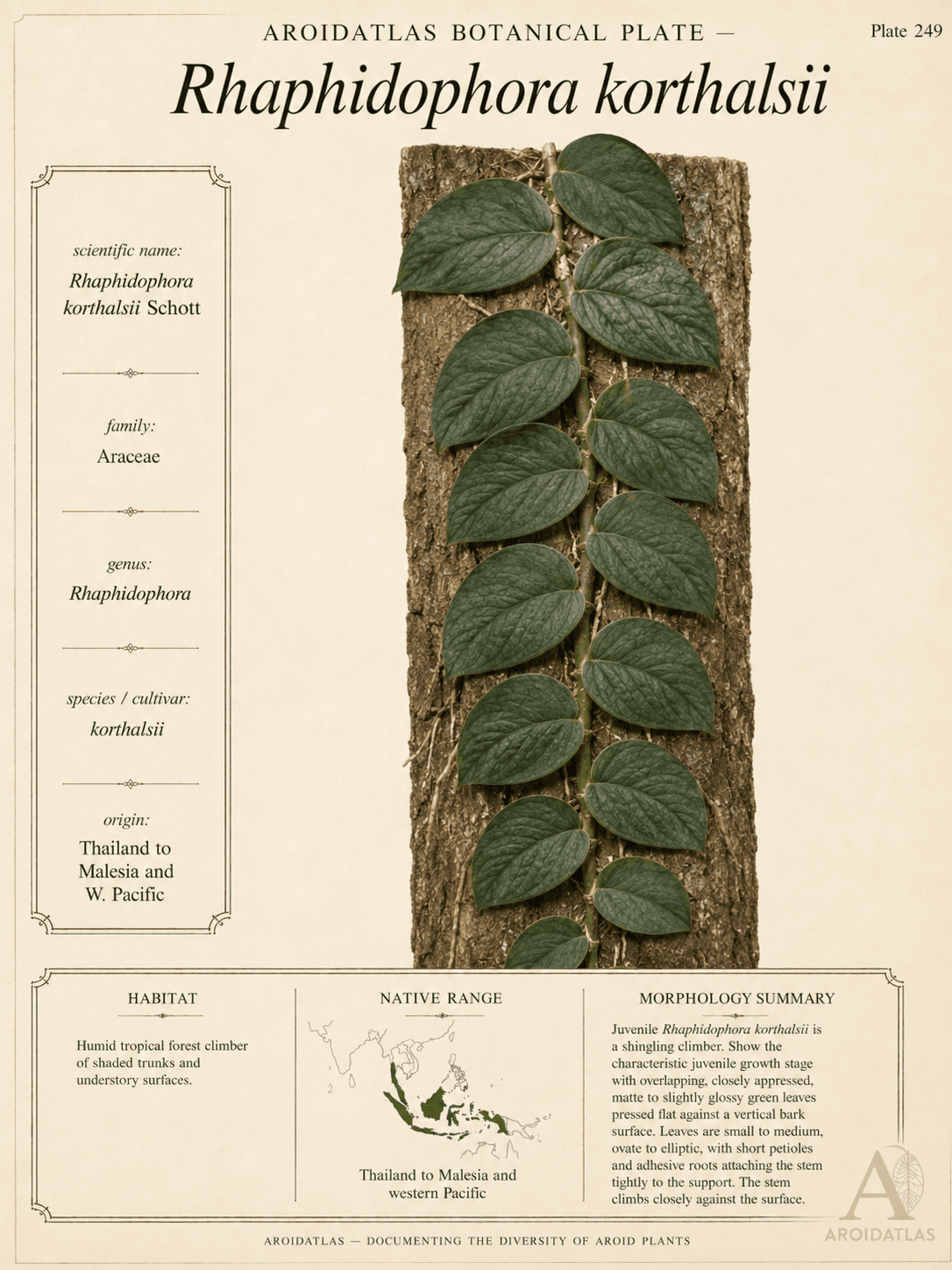
Rhaphidophora korthalsii
Celastrus Shingling Aroid
£31 AA PriceBase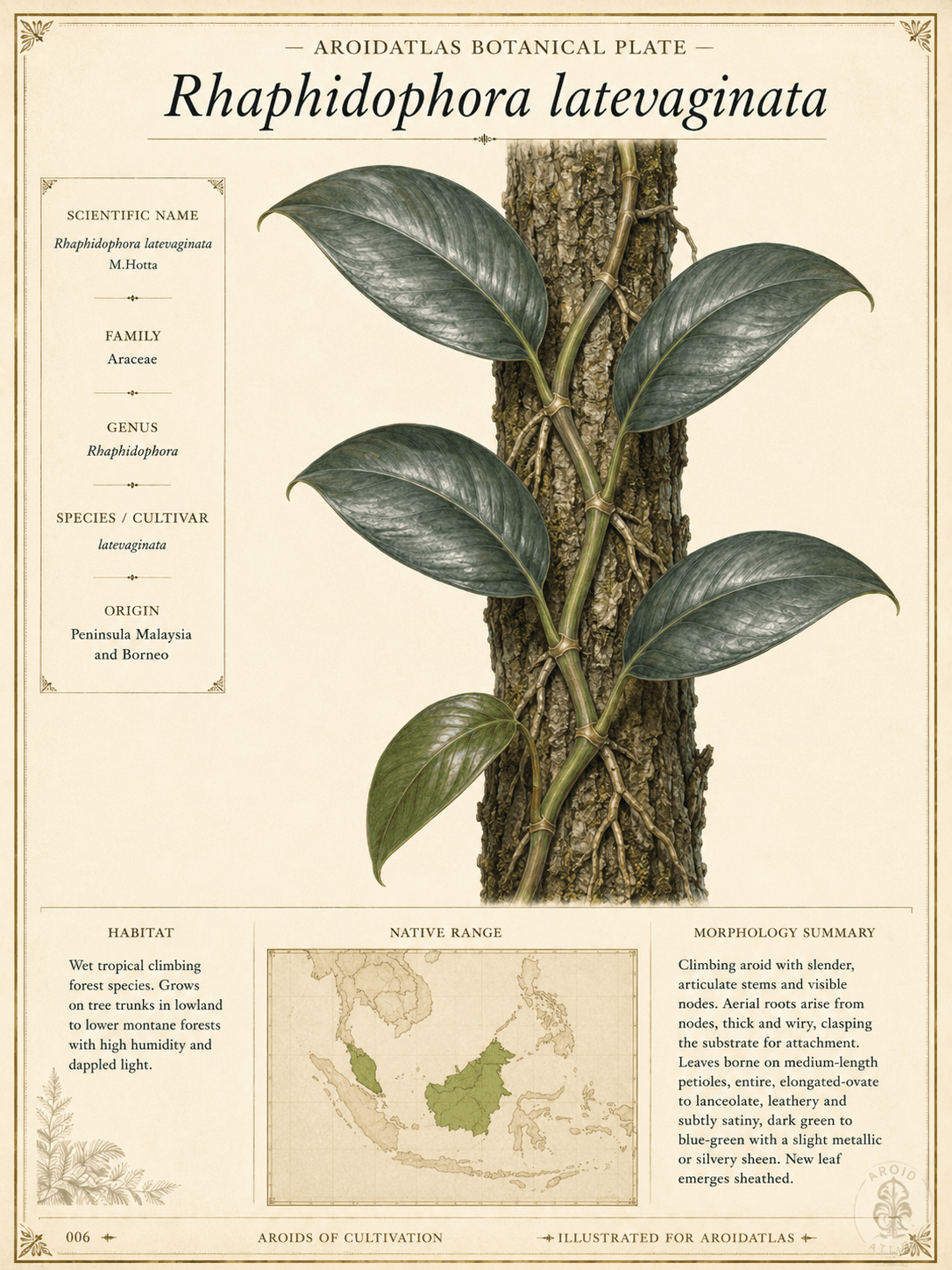
Rhaphidophora latevaginata
Latevaginata Shingling Aroid
£65 AA PriceBase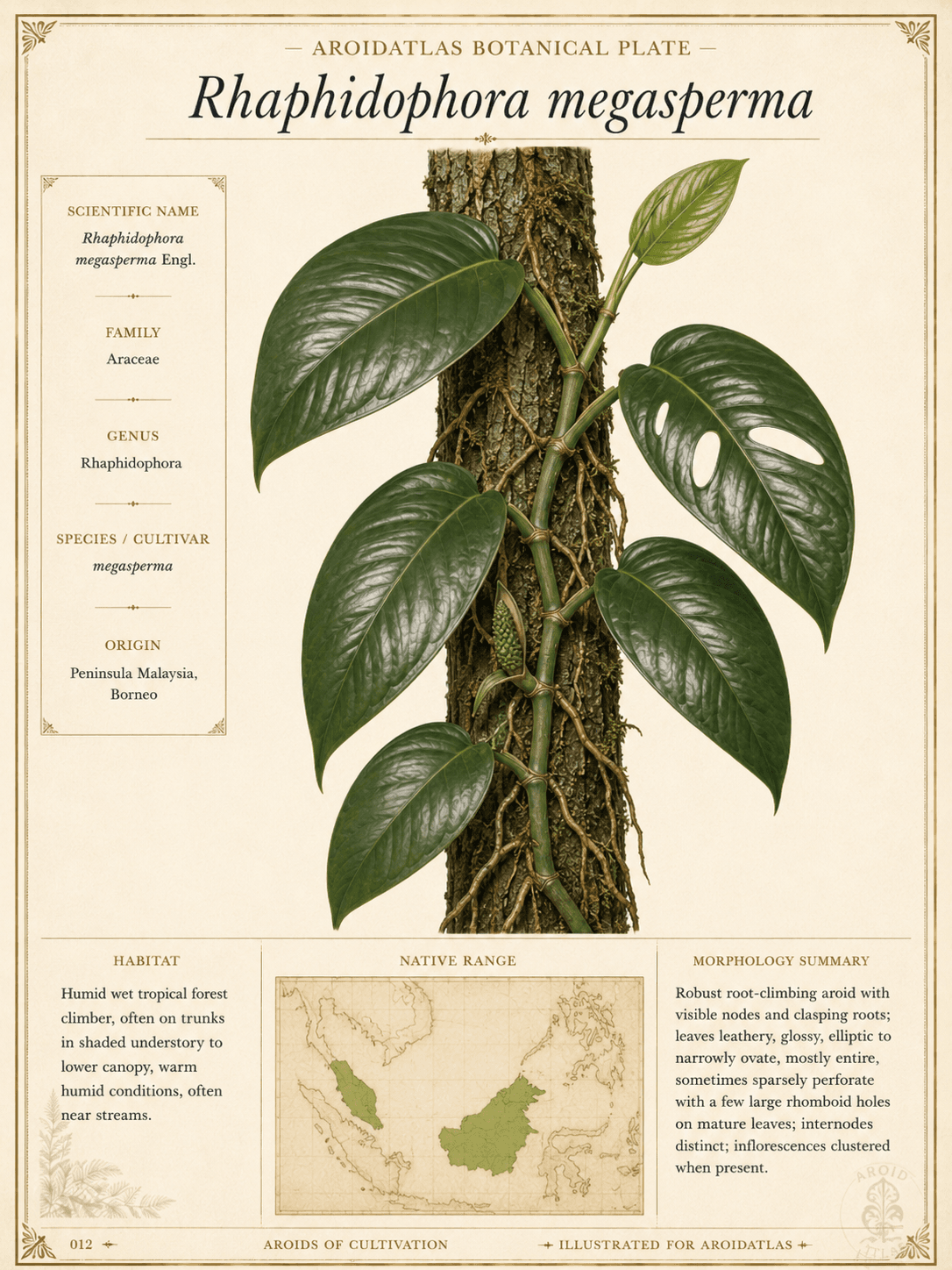
Rhaphidophora megasperma
Fishtail Rhaphidophora
£26 AA PriceBase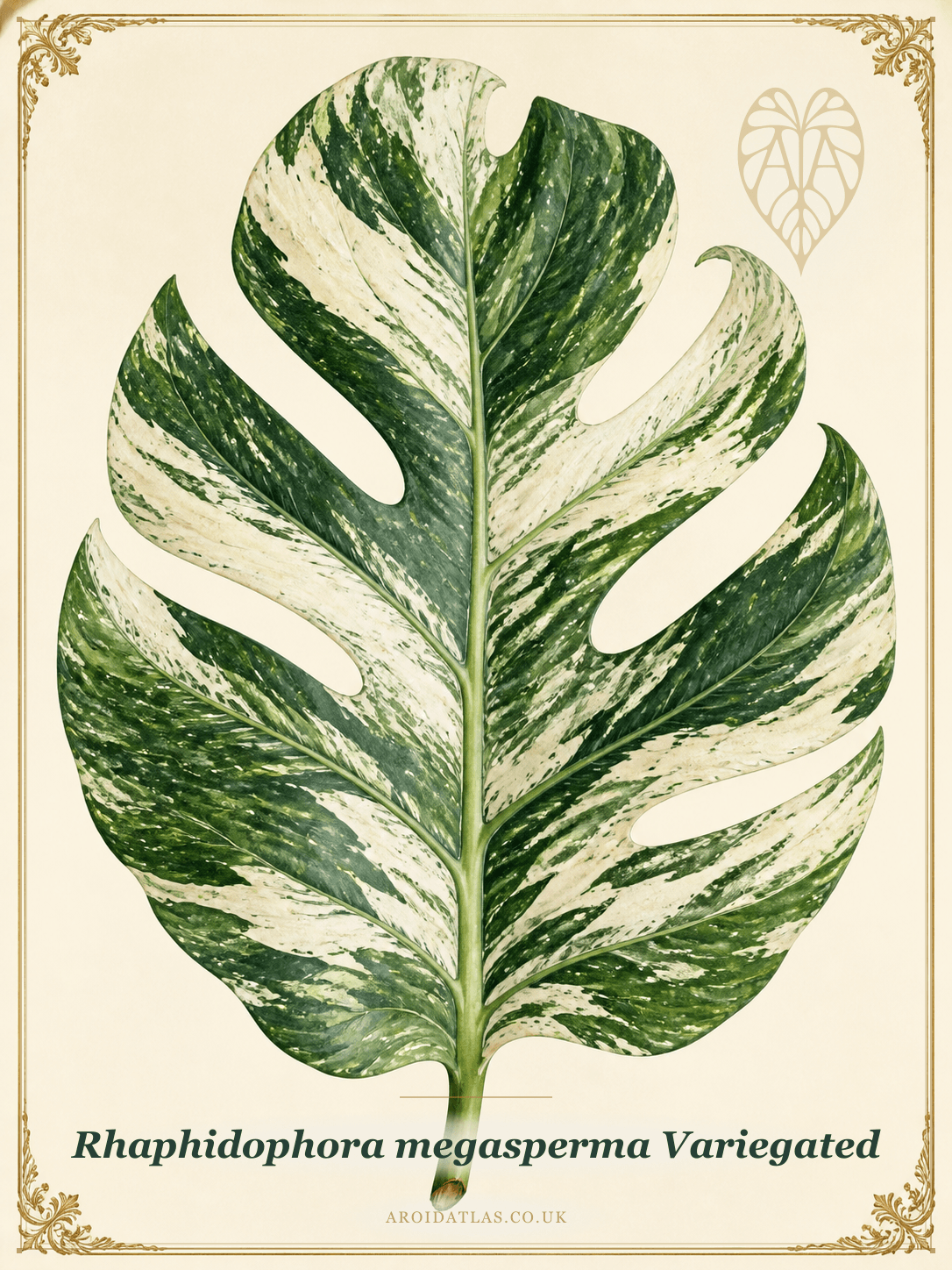
Rhaphidophora megasperma Variegated
Variegated Fishtail Rhaphidophora
£23 AA PriceVariegated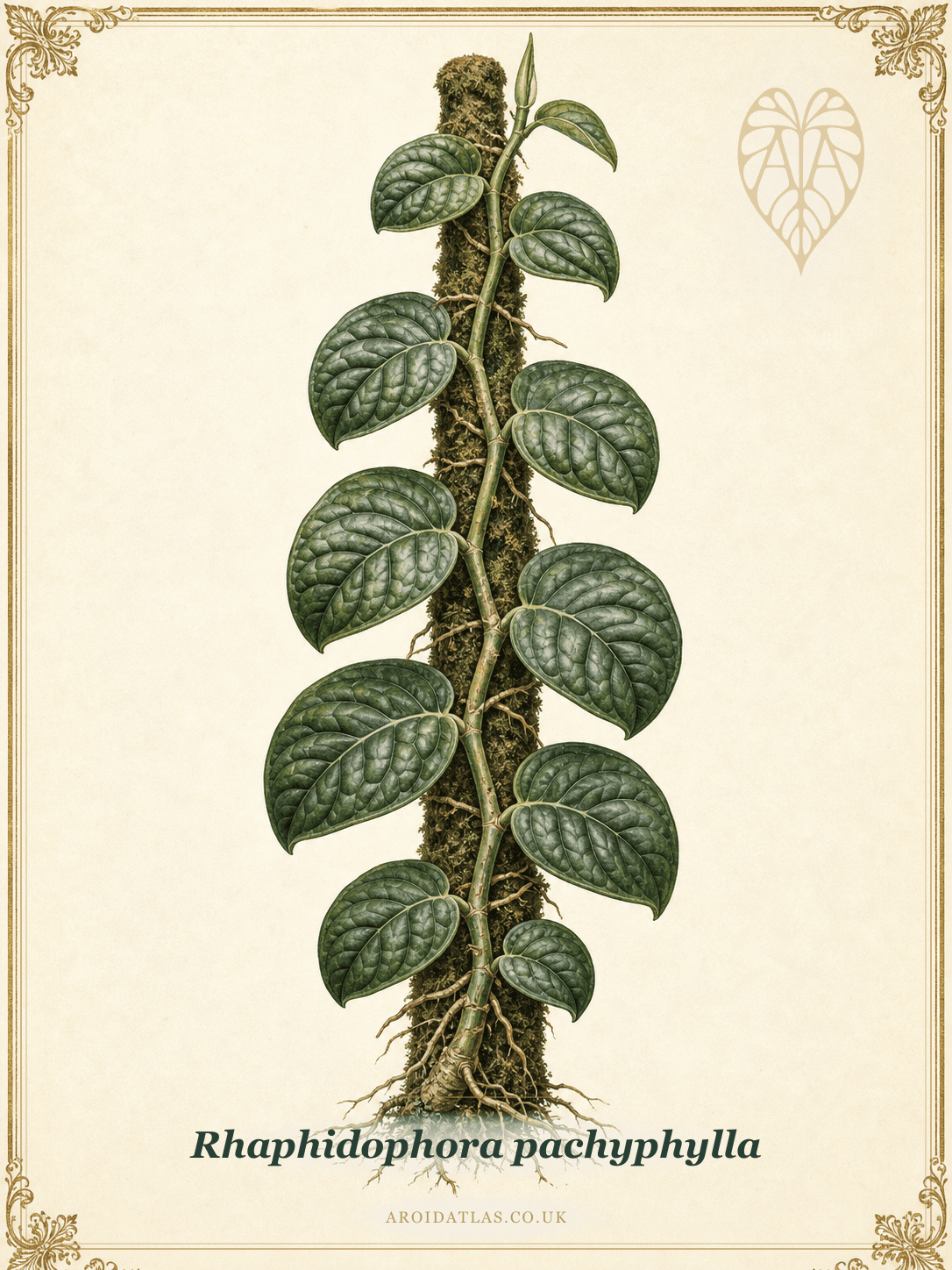
Rhaphidophora pachyphylla
Pachyphylla Rhaphidophora
£190 AA PriceBase
Rhaphidophora tetrasperma
Mini Monstera
£13 AA PriceBase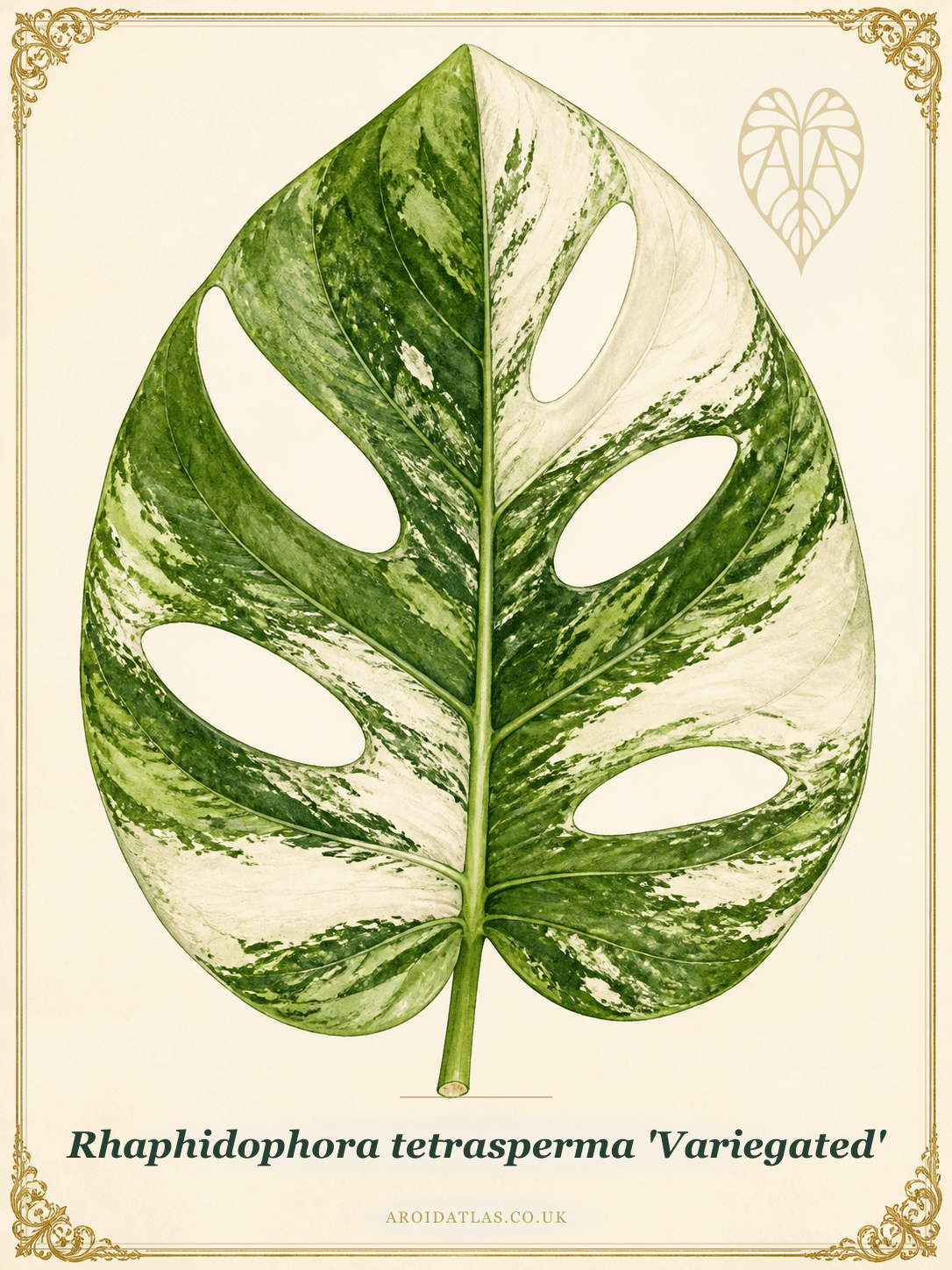
Rhaphidophora tetrasperma 'Variegated'
Variegated Mini Monstera
£25 AA PriceVariegated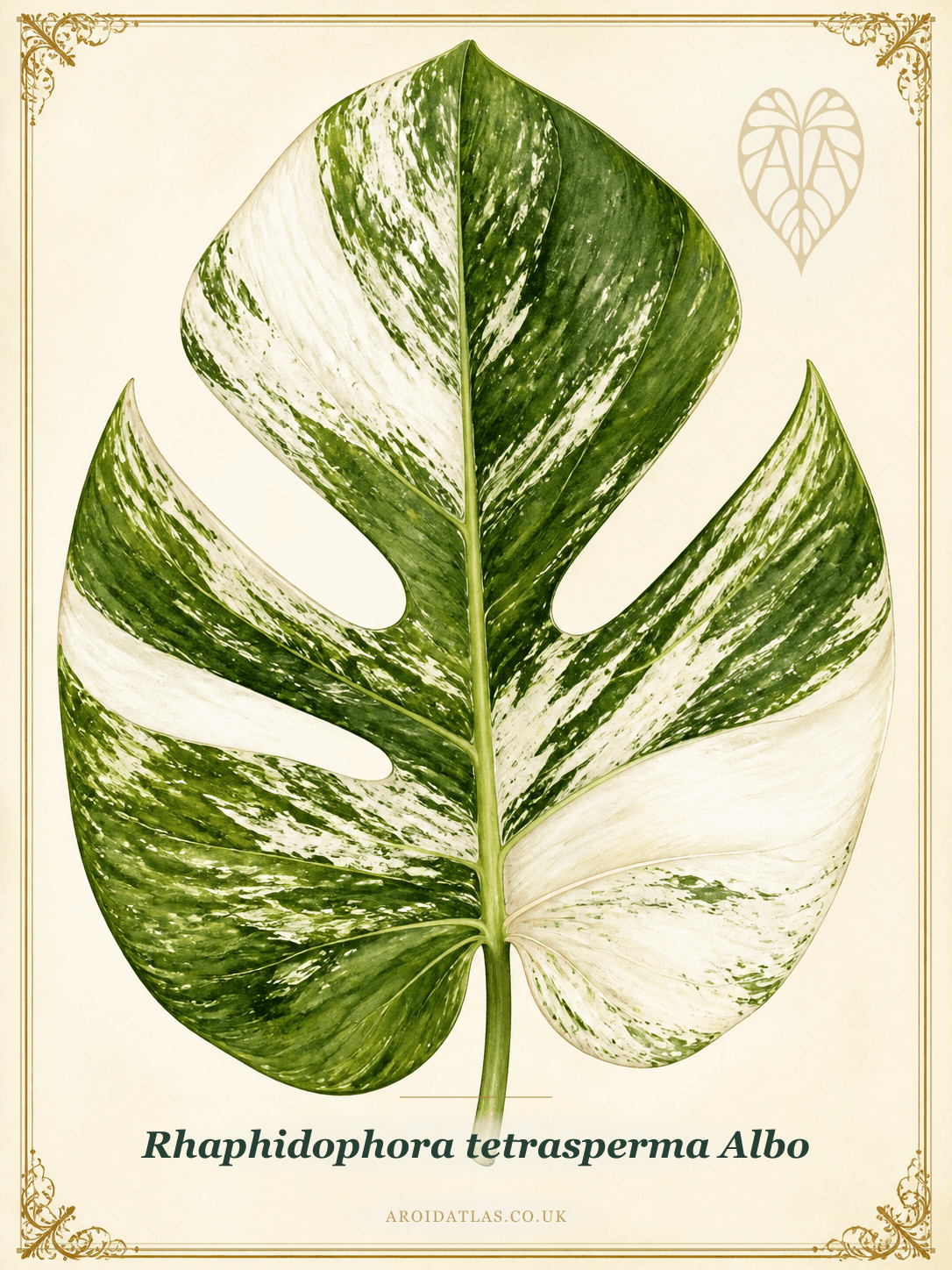
Rhaphidophora tetrasperma Albo
Albo Variegated Mini Monstera
£20 AA PriceAlbo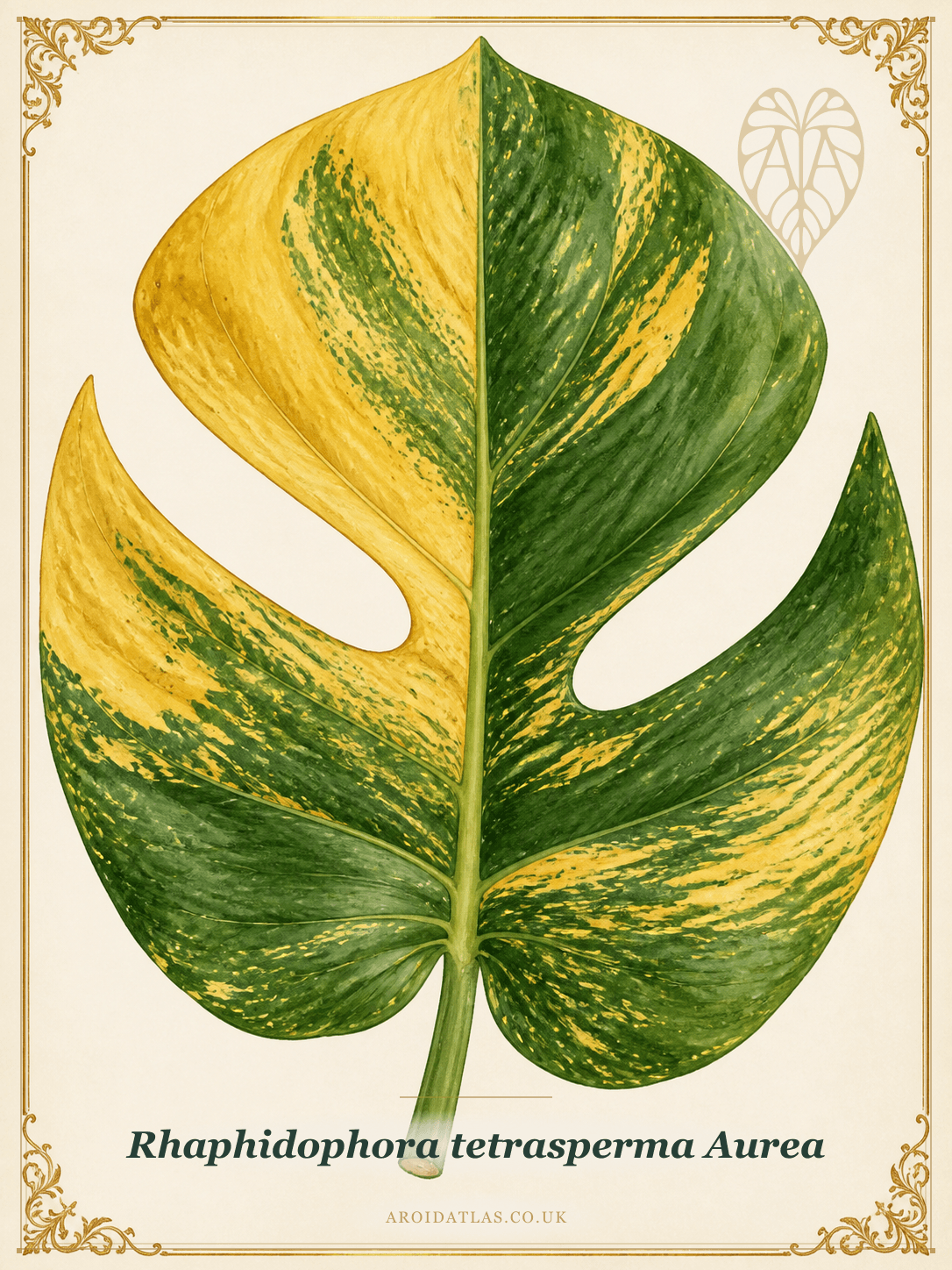
Rhaphidophora tetrasperma Aurea
Aurea Mini Monstera
£10 AA PriceAurea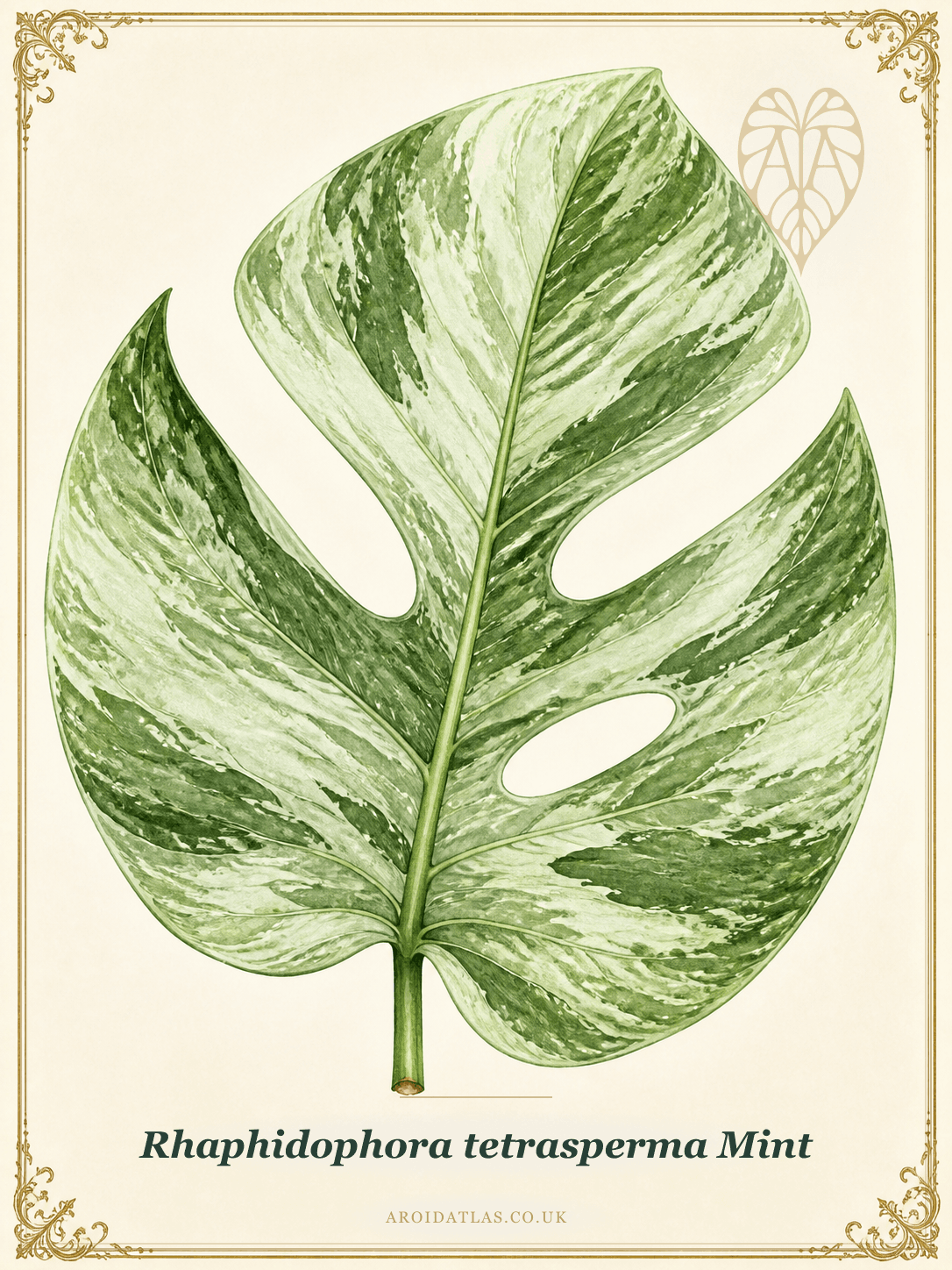
Rhaphidophora tetrasperma Mint
Mint Variegated Mini Monstera
£19 AA PriceMint
Care Notes
- R. tetrasperma is one of the faster-growing and more light-tolerant plants in this catalogue; its variegated forms (Albo, Aurea, Mint) grow noticeably slower and need brighter light to hold variegation without weakening.
- Shingling species (R. hayi, R. latevaginata, R. korthalsii) press their leaves flat against a support as they climb: without a rough, vertical surface to climb, they stay in a looser, less shingled juvenile habit.
- R. decursiva develops its large, deeply pinnatifid mature leaf shape over years and with height; young plants and cuttings show a much simpler, less divided leaf.
Frequently Asked Questions
No. 'Mini Monstera' is a trade name only; R. tetrasperma is in a different genus from true Monstera, and the resemblance in leaf fenestration is superficial rather than a sign of close relation.
Shingling species like R. hayi press their leaves flat as they climb a rough vertical surface; without one, they grow in a looser, non-shingled habit rather than failing to climb at all.
The deeply lobed, pinnatifid mature leaf shape develops with age and height; young plants and fresh cuttings normally show a much simpler leaf first.
Generally yes: Albo, Aurea, and Mint forms have less chlorophyll-bearing leaf tissue and grow slower, needing brighter light than the fast-growing plain green species.