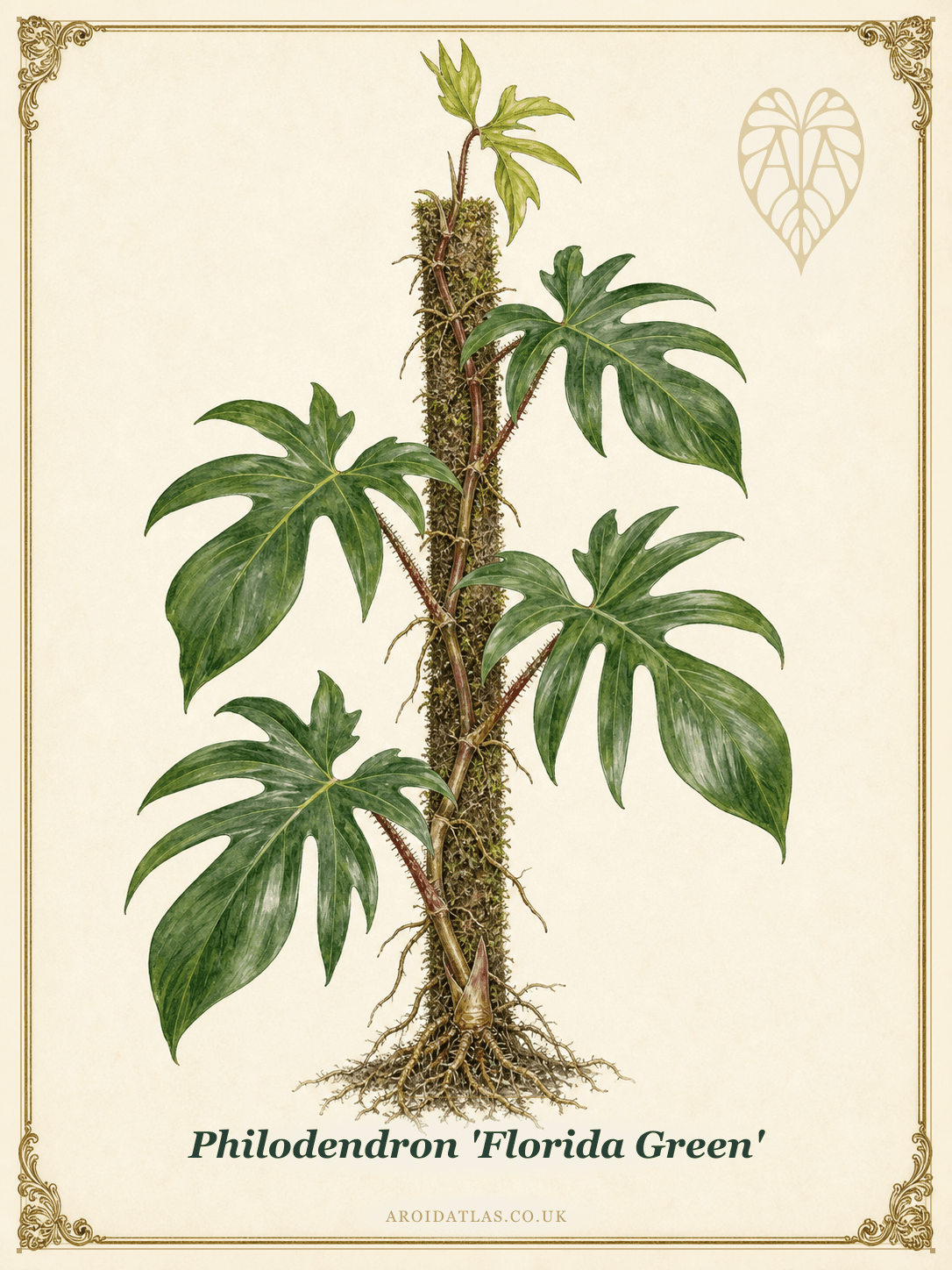
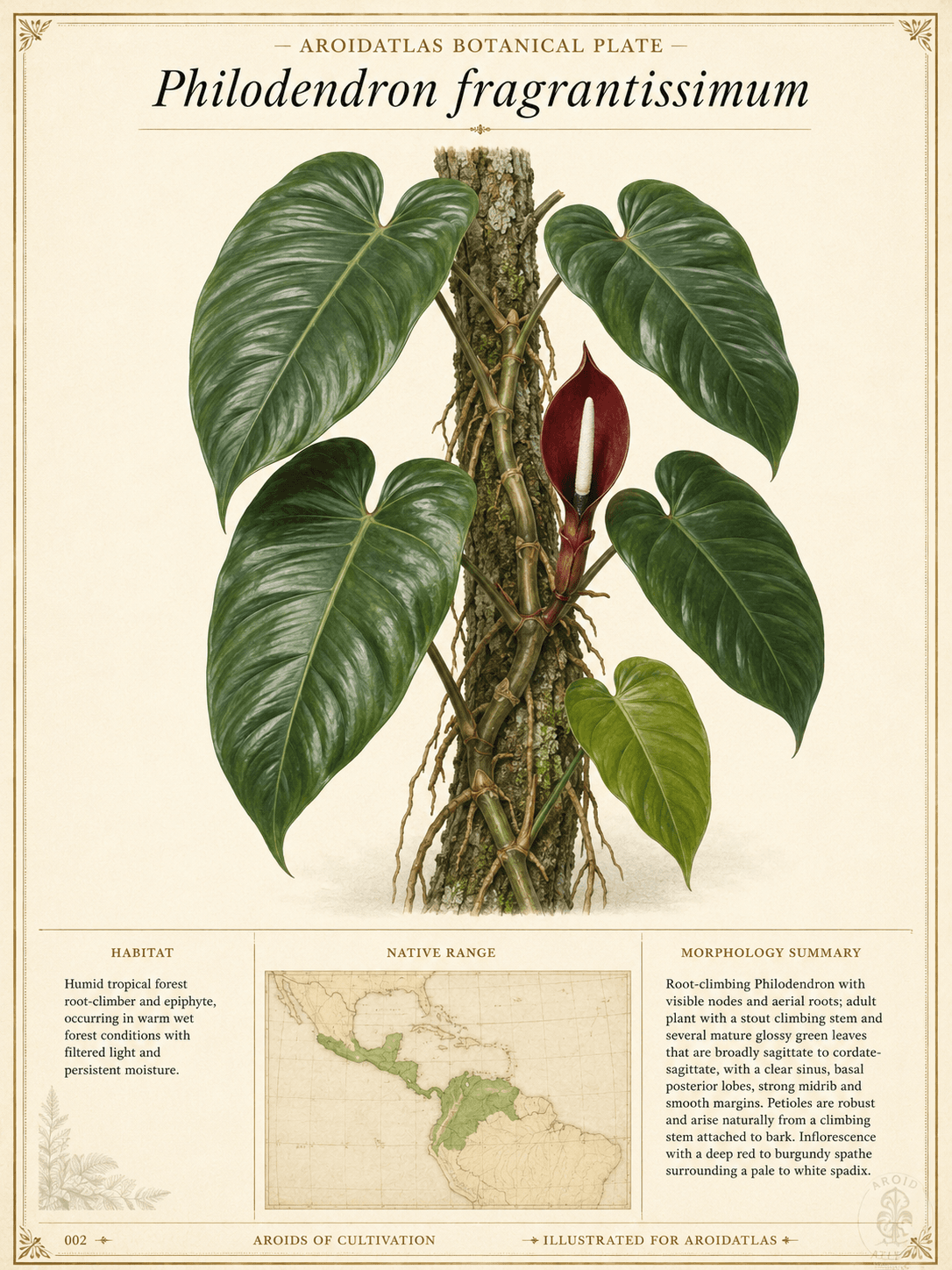
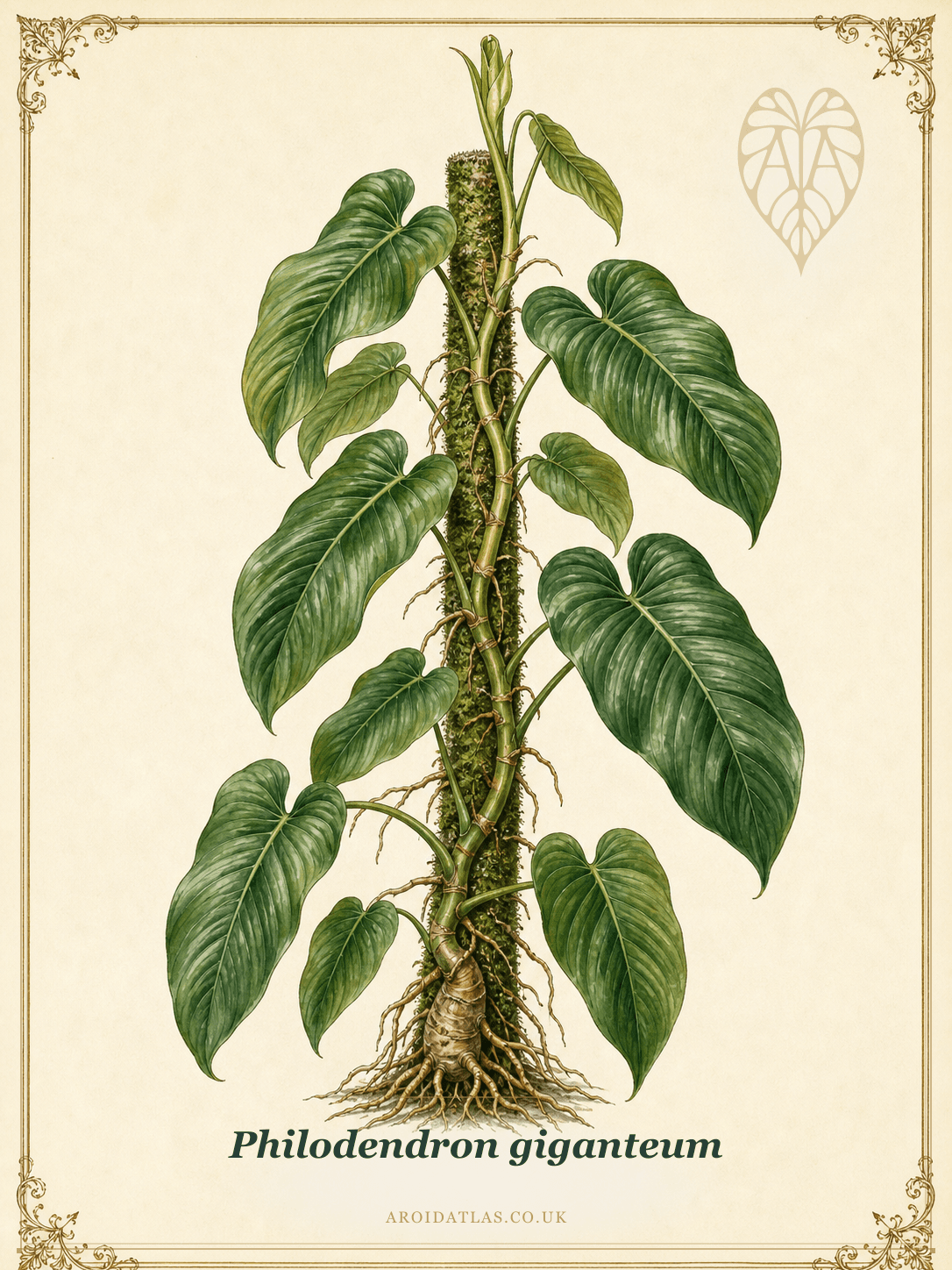
Scroll to explore forms of Philodendron 'Florida Beauty'
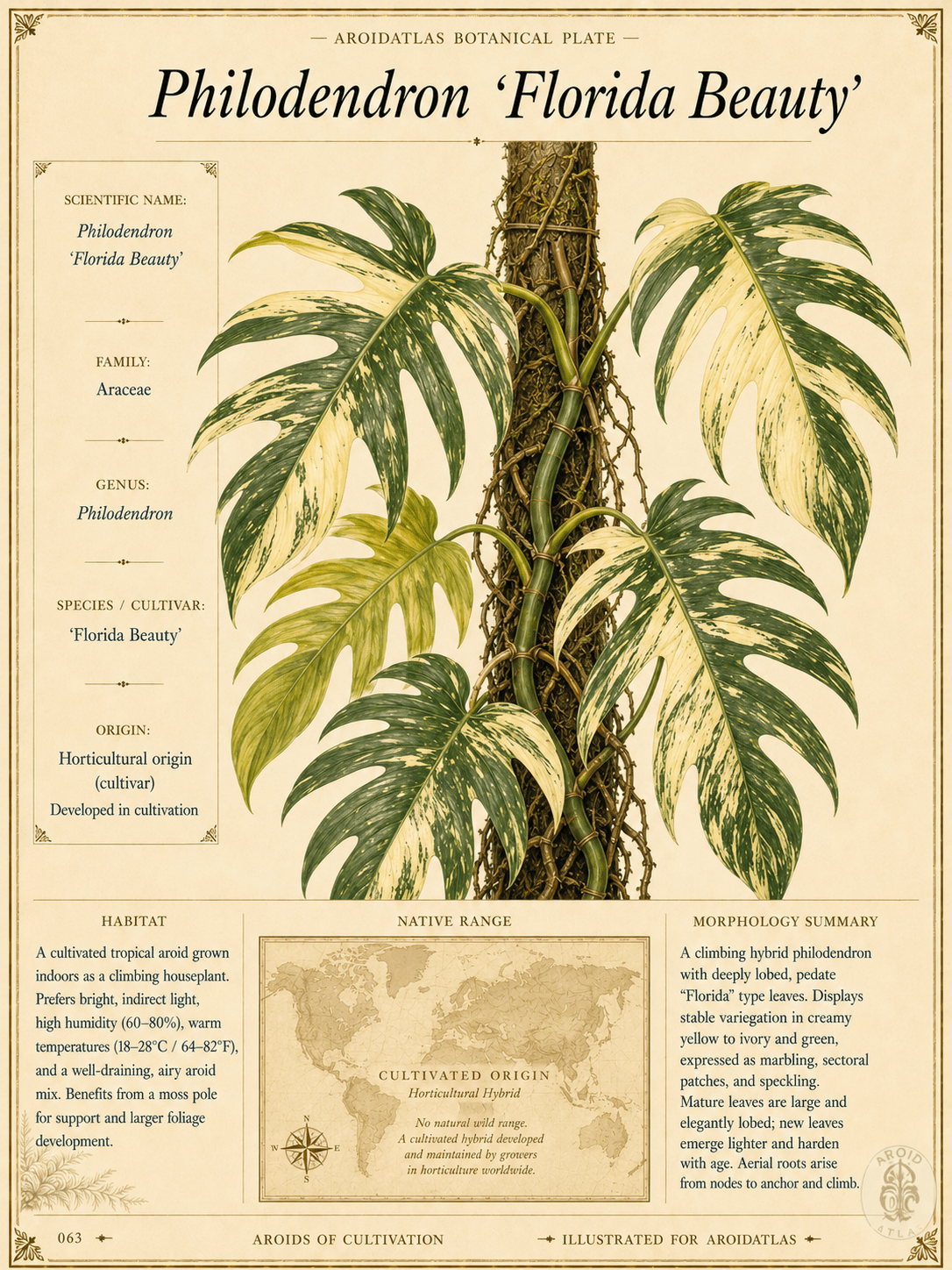
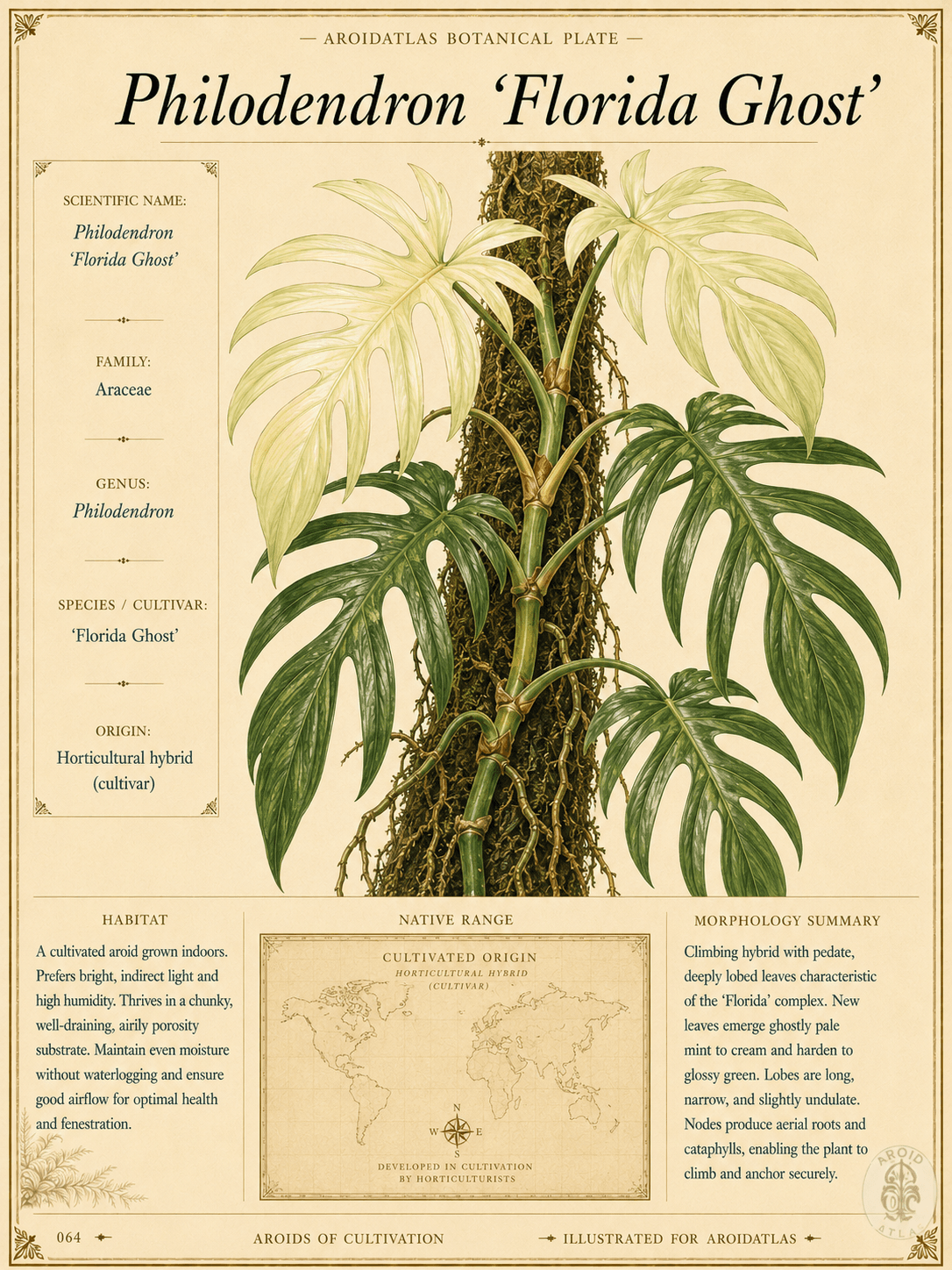
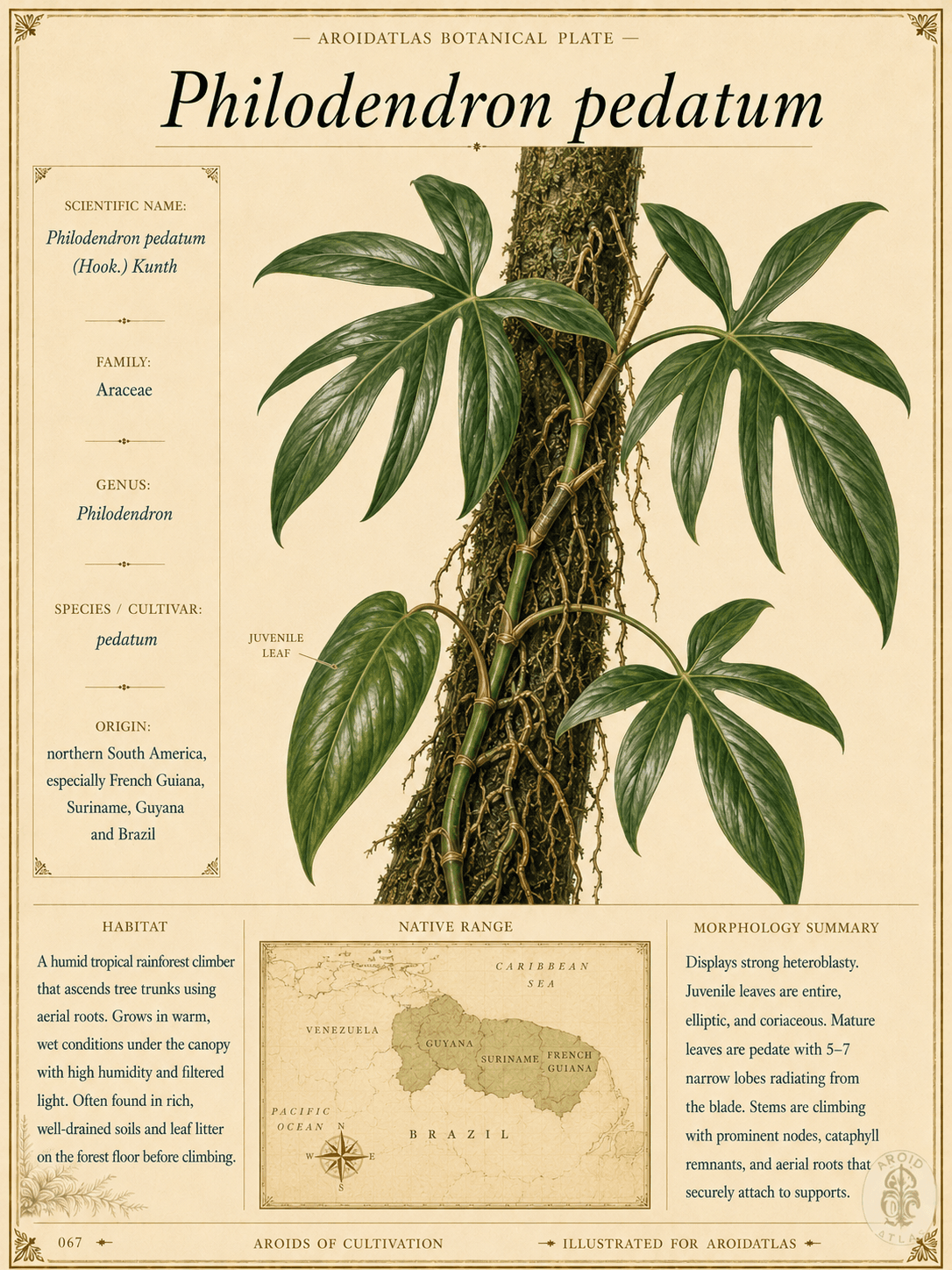
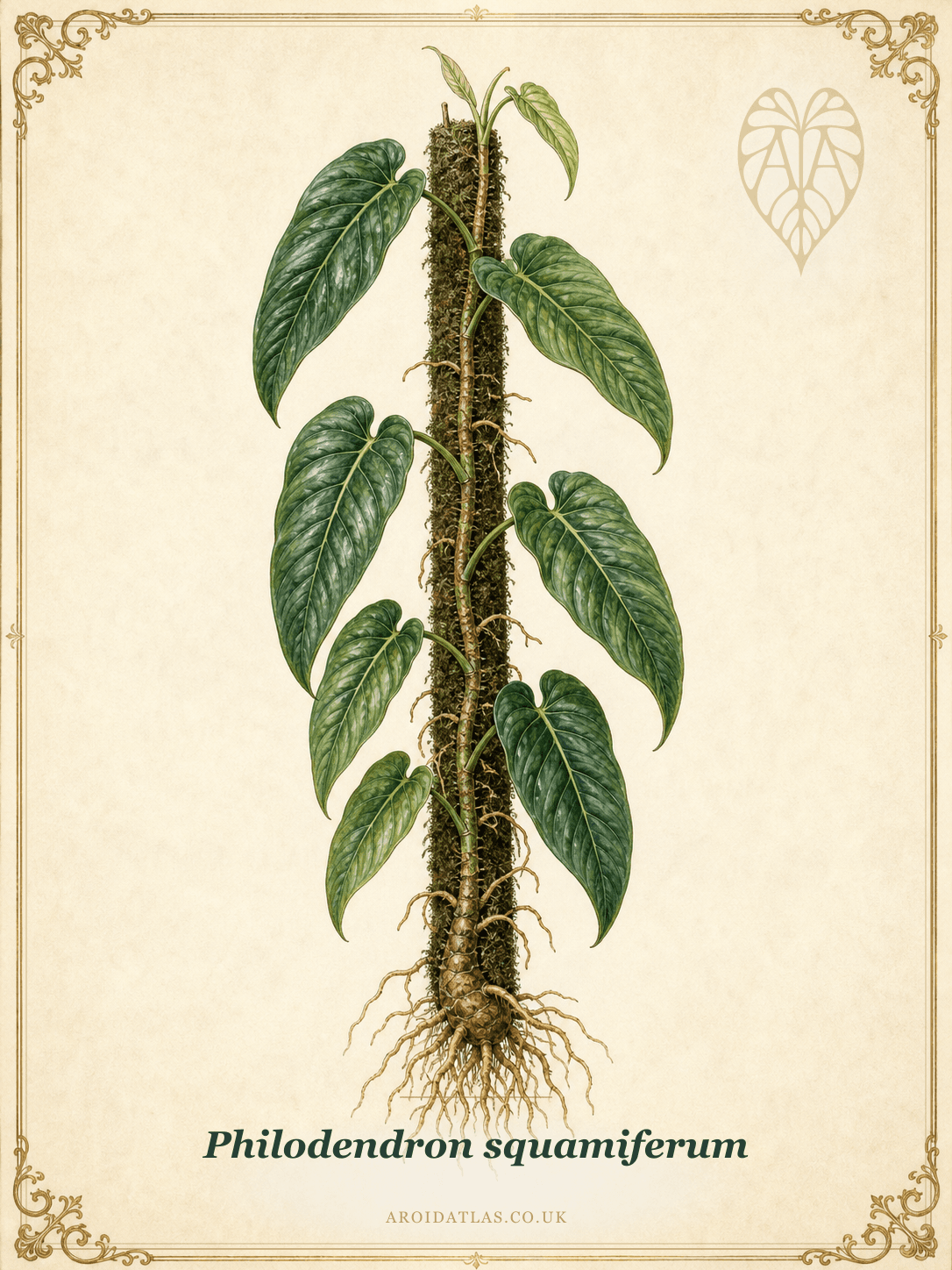
A horticultural cross — priced, illustrated and tracked independently of either parent.
Full Specimen Plate
Philodendron 'Florida Beauty'
Florida Beauty Philodendron
Aroid Atlas Price Guide
Select Plant Size
Pricing Data Key
Community price estimate based on limited sales history
Other colour-form prices
Market Analysis
Philodendron 'Florida Beauty' Price Guide & Auction Value
Historical eBay auction metrics and live retailer listings updated weekly.
No eBay auction history available yet. Data is collected automatically as sales appear on eBay UK.
Before You Buy
Shared checklist for Philodendron 'Florida Green' and its cultivated forms
- Check for a healthy node and some aerial root activity if buying a cutting
- This is the fast-growing plain form of the group — treat unusually high prices with caution
- Inspect petioles for the group's characteristic bristly texture to confirm correct identification
- Look for even, deep green colour with no yellowing
Philodendron 'Florida Beauty' Morphology
About Philodendron 'Florida Beauty'
Philodendron 'Florida Beauty' is a variegated cultivar known for its deeply lobed, pedate foliage. A product of horticultural development rather than a wild species, it has stable variegation in creamy yellow and ivory patches against green. It climbs, and benefits from moss pole support to encourage larger, more mature leaf development. Care is relatively straightforward.
Propagation Guide
How to Propagate Philodendron 'Florida Beauty'
Shared across every form of Philodendron 'Florida Green' — see this form's own Morphology for variegation-specific propagation notes.
2-4 months
Cultivar character is preserved through vegetative cuttings
Roots readily from stem or node cuttings with a healthy node, in water or moist substrate.
Care Guide
Philodendron 'Florida Beauty' Care Guide & Growing Conditions
General care shared across all forms of Philodendron 'Florida Green' — cultivated forms may need brighter light or higher humidity than the plain species; check this form's Quick Facts above.
Well-draining aroid mix: 40% potting compost, 30% orchid bark, 30% perlite.
Water when the top 3-4 cm of substrate is dry.
60-80% preferred, though tolerant of average household humidity once established.
Balanced liquid fertiliser at half strength every 3-4 weeks during the growing season.
Every 12-18 months, or when root-bound.
Common Problems
Small leaves, weak climbing growth
No support to climb, or insufficient light
Provide a moss pole or similar support and increase light — leaf size improves significantly with vertical support
Root rot
Overwatering or compacted substrate
Repot into fresh, well-draining substrate and reduce watering frequency