Scroll to explore forms of Caladium bicolor
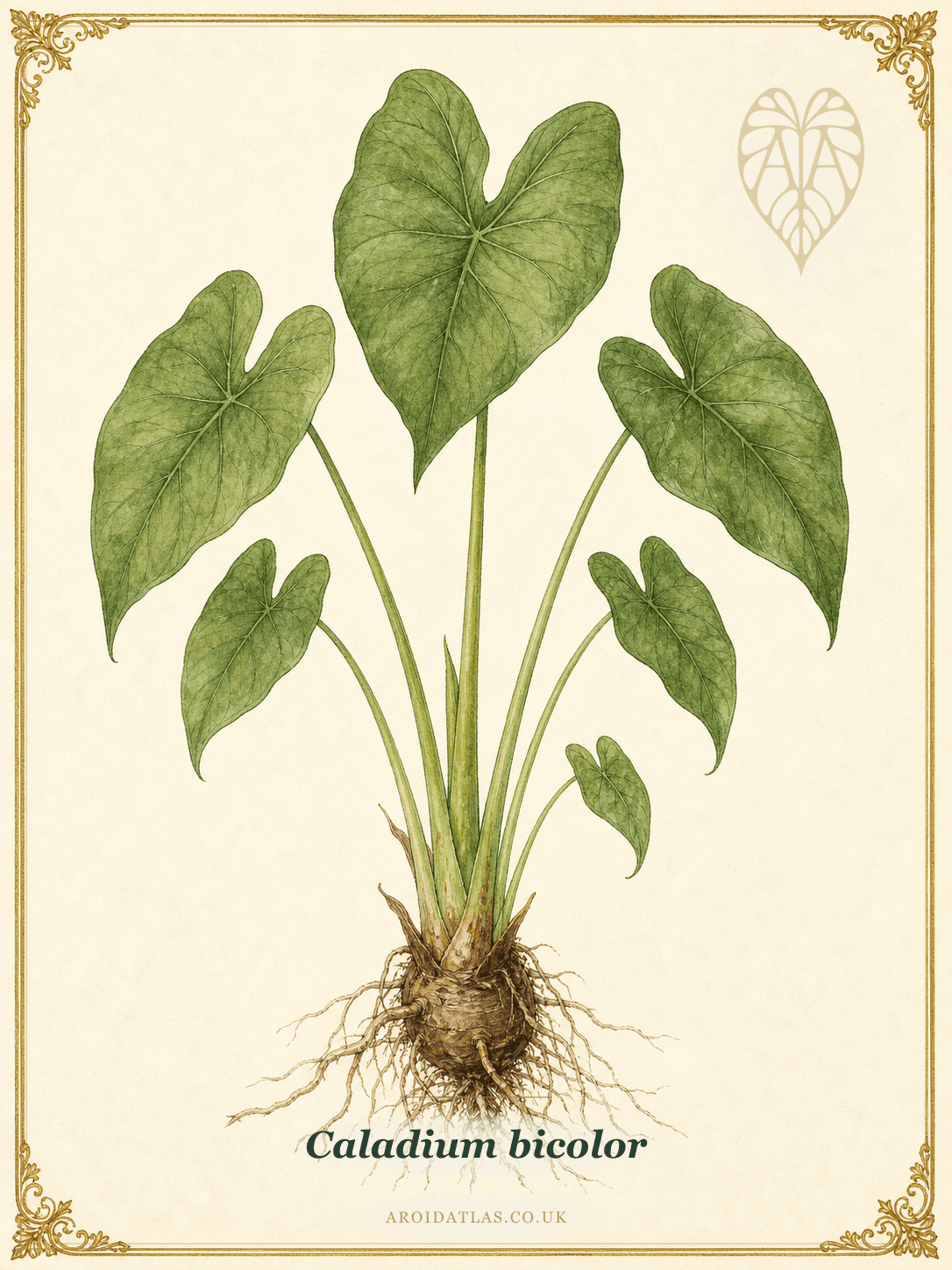
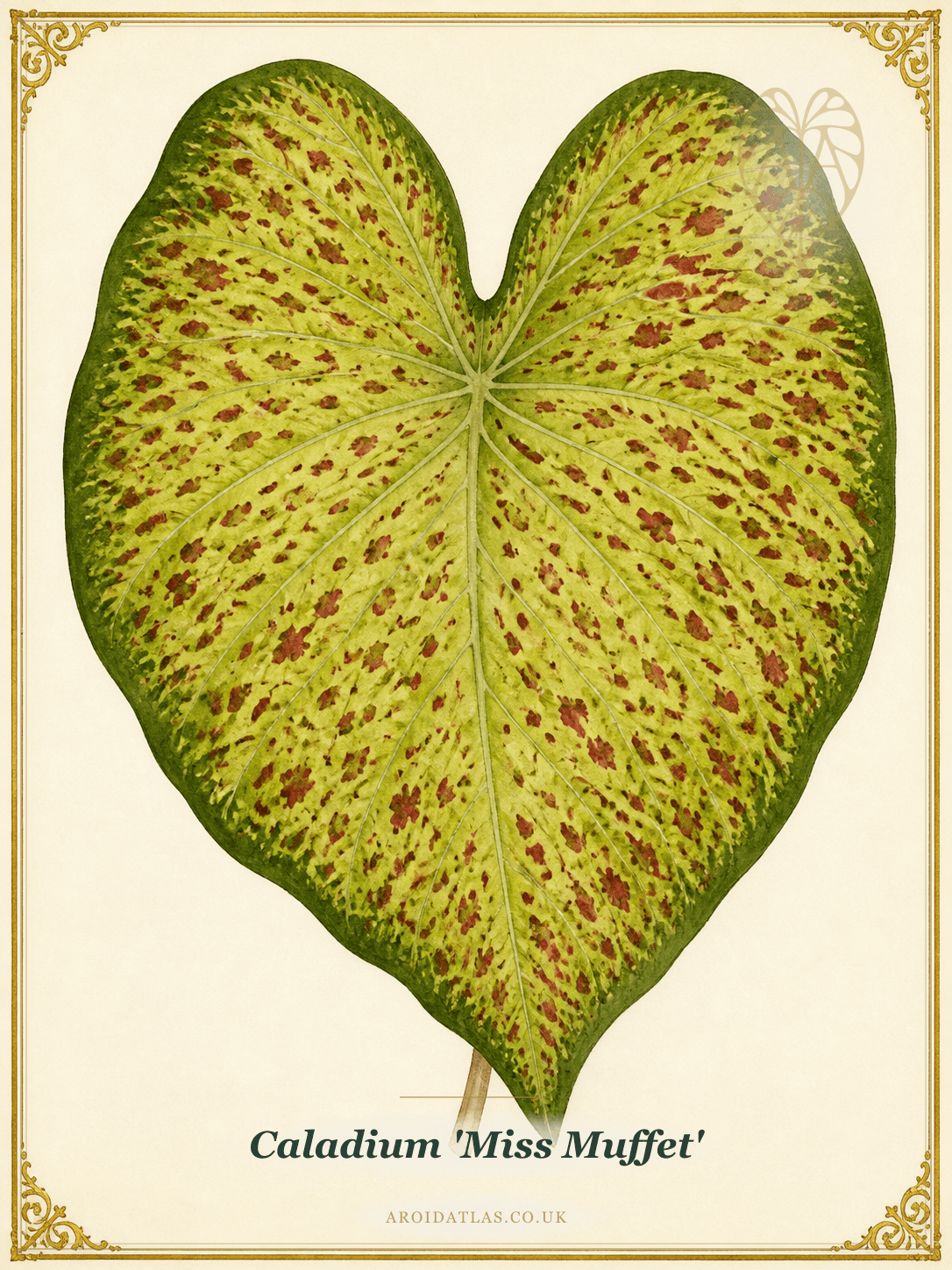

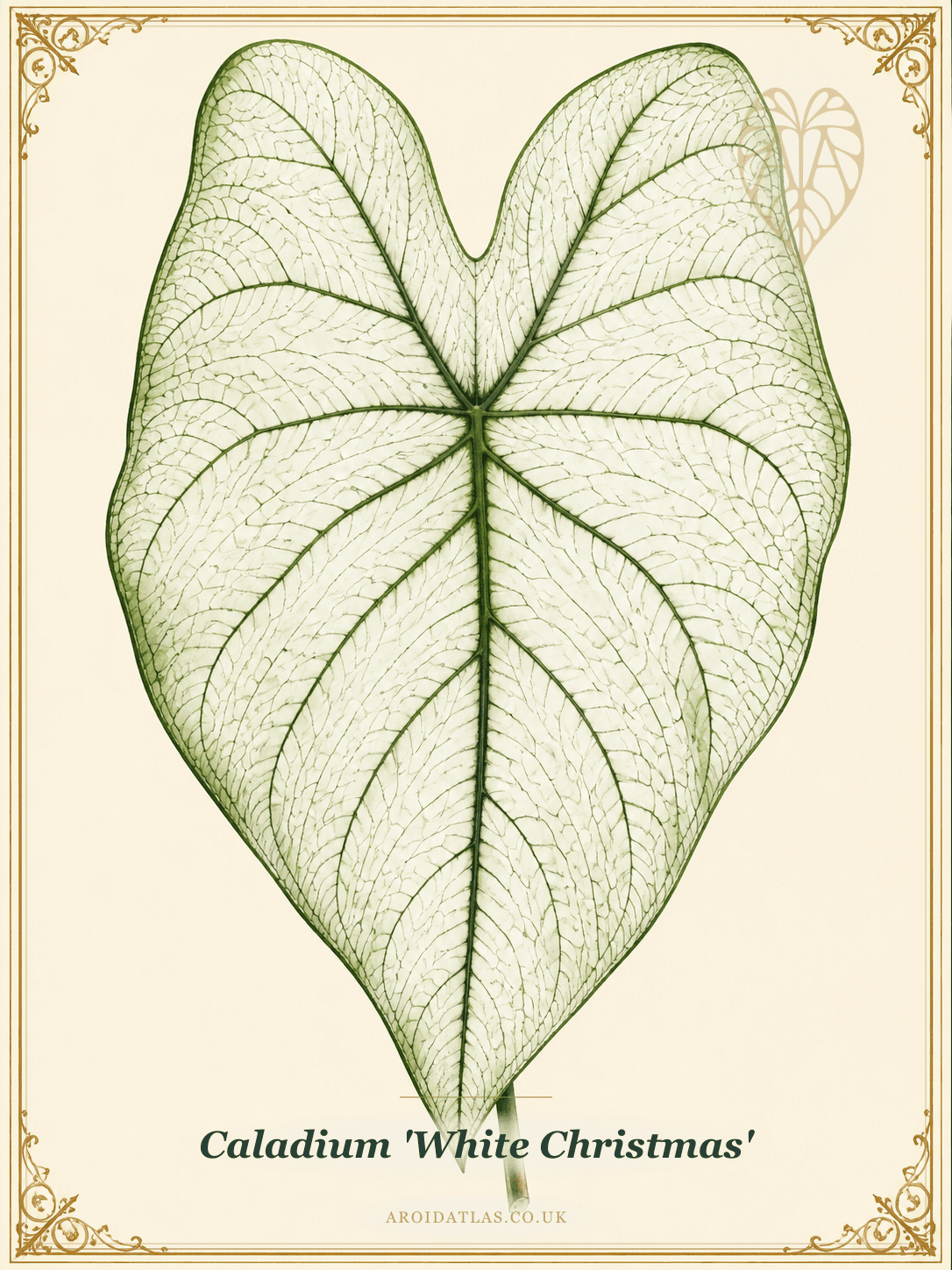
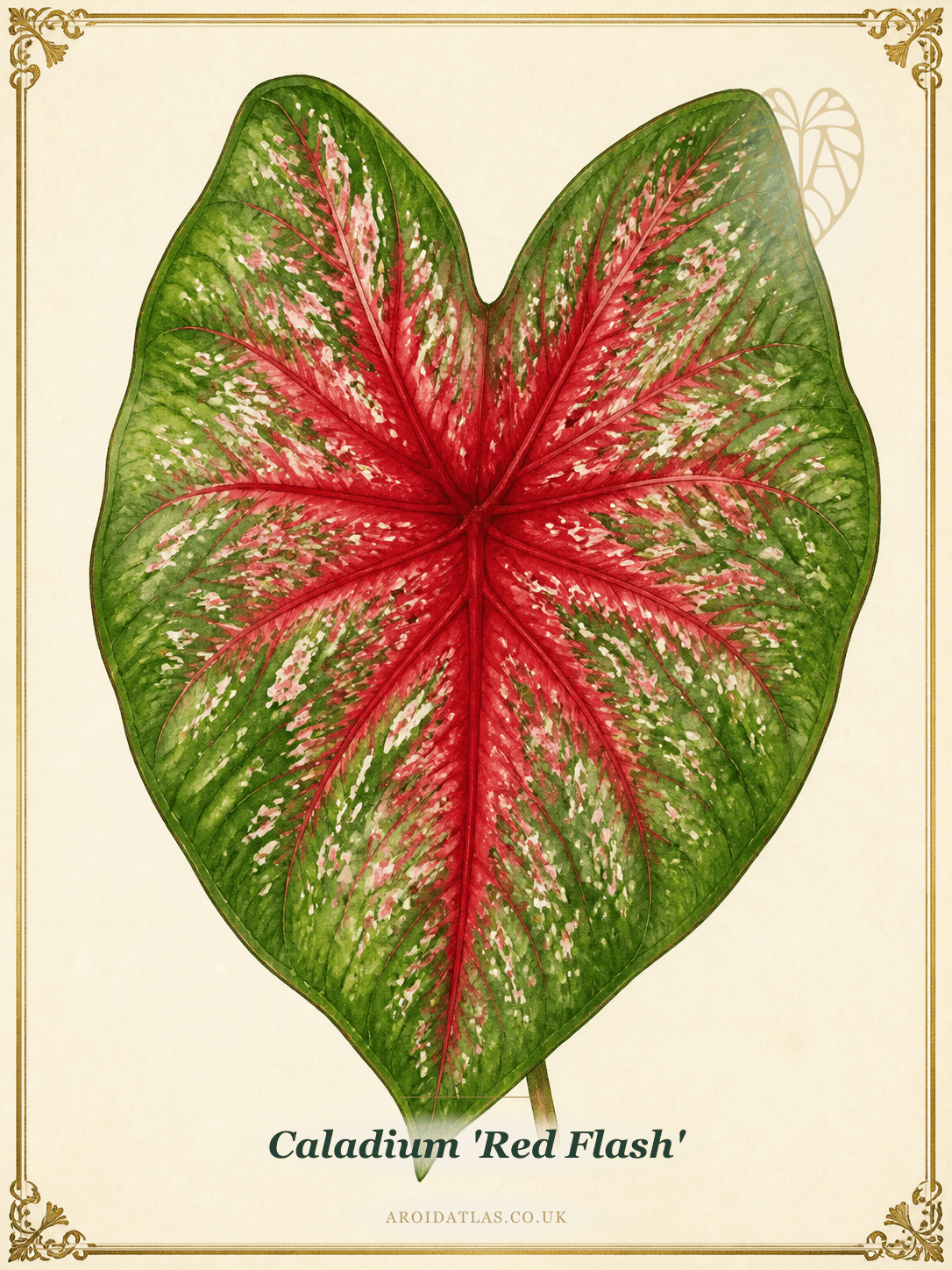
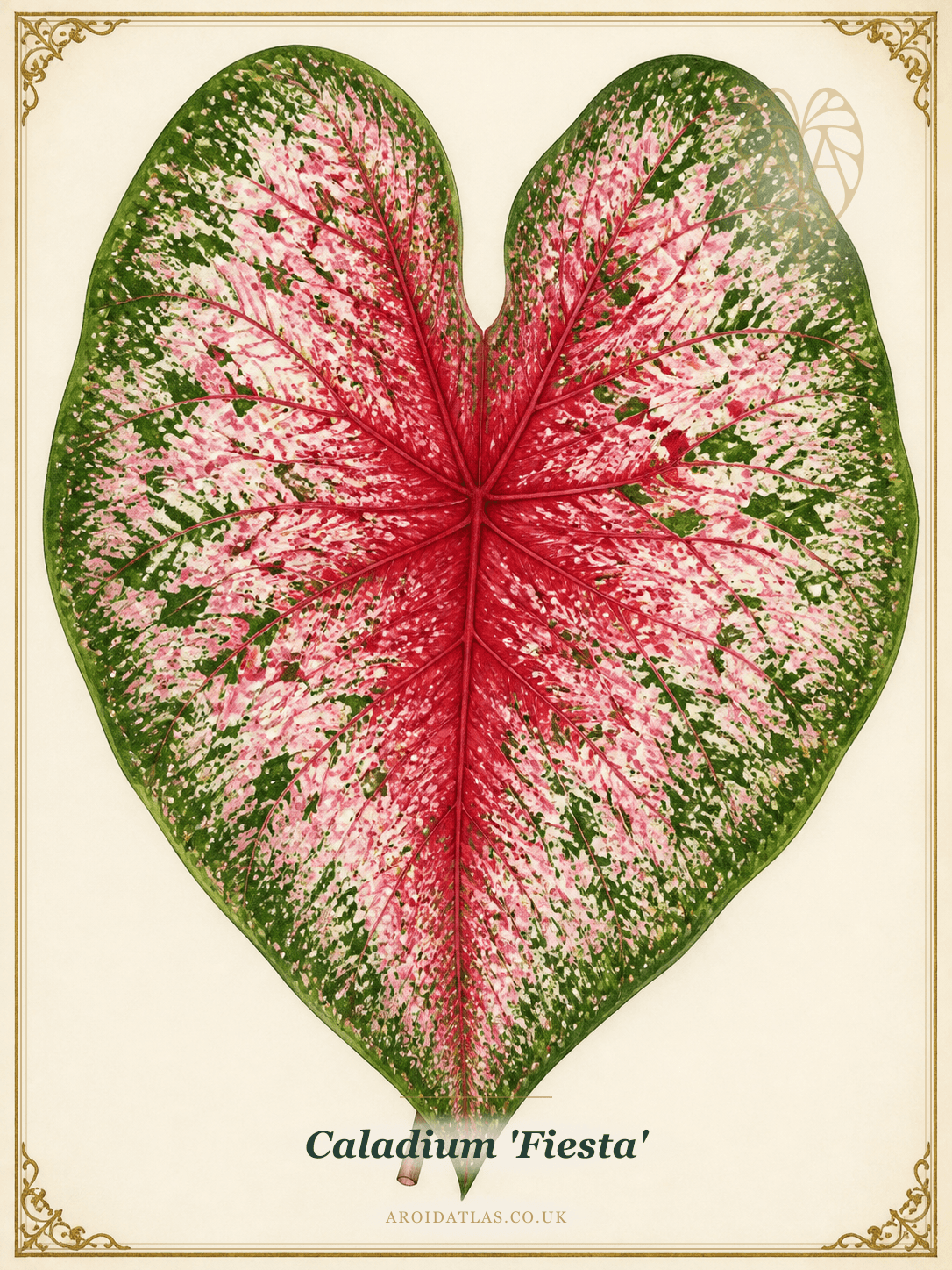
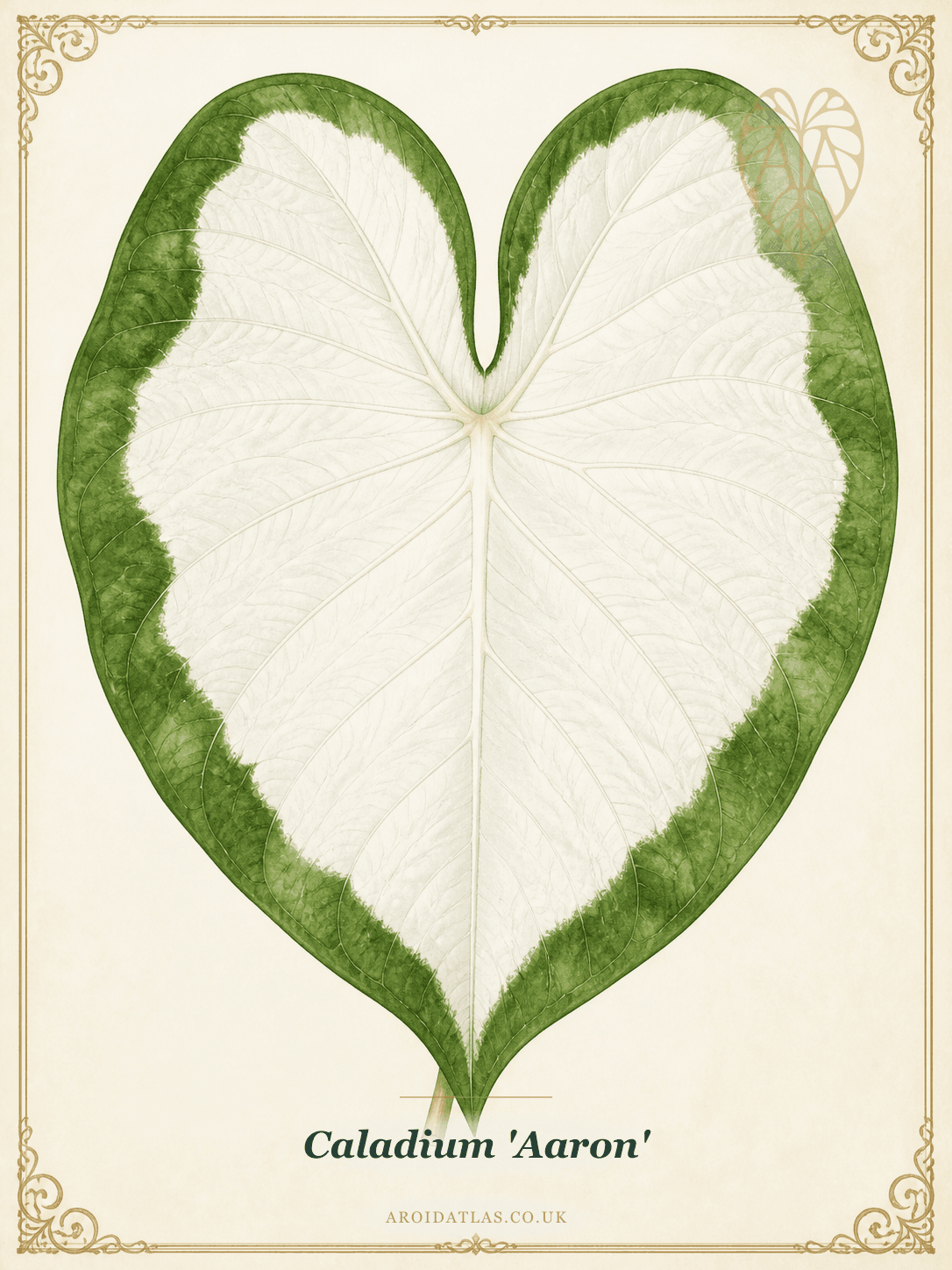
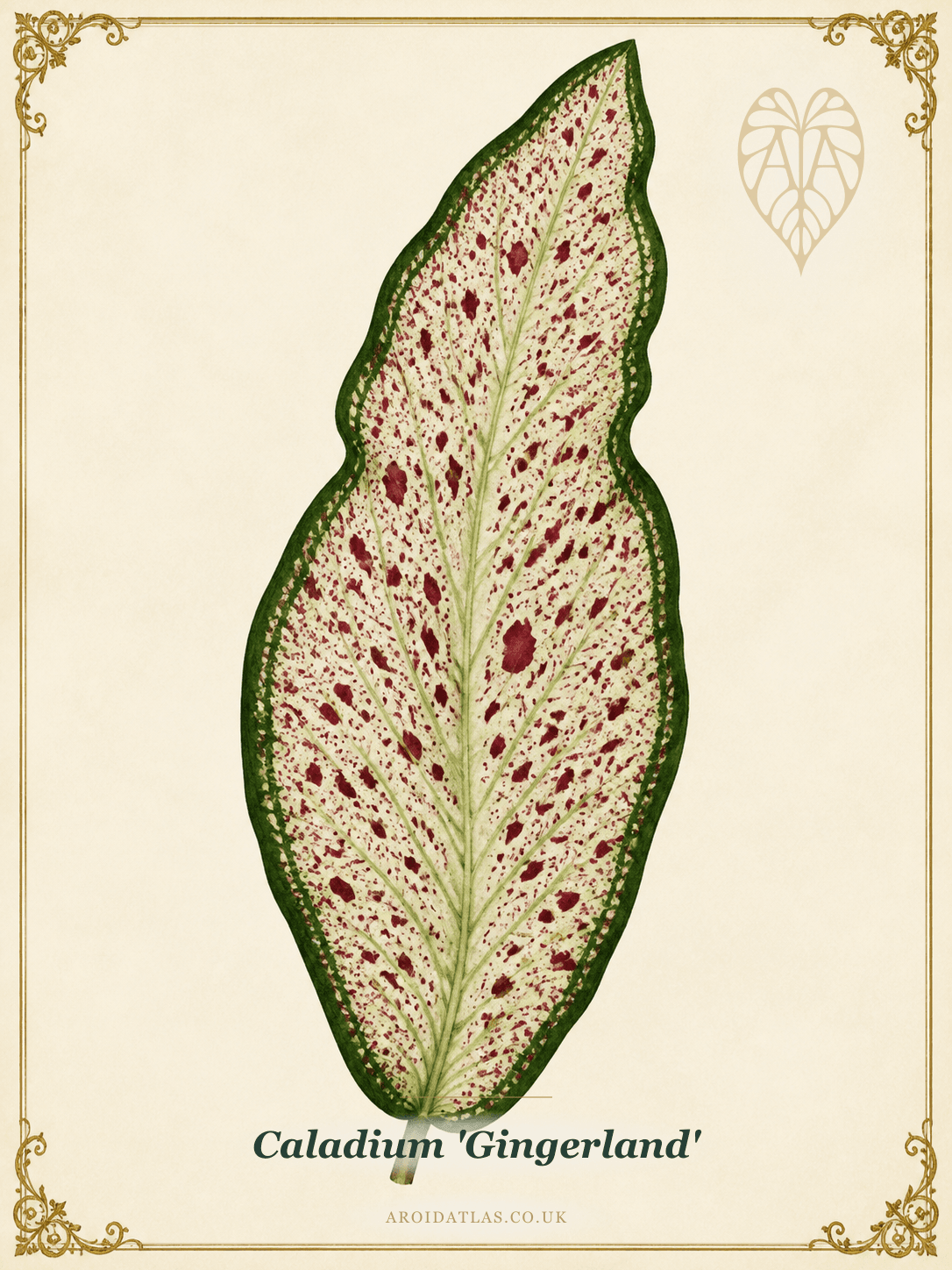
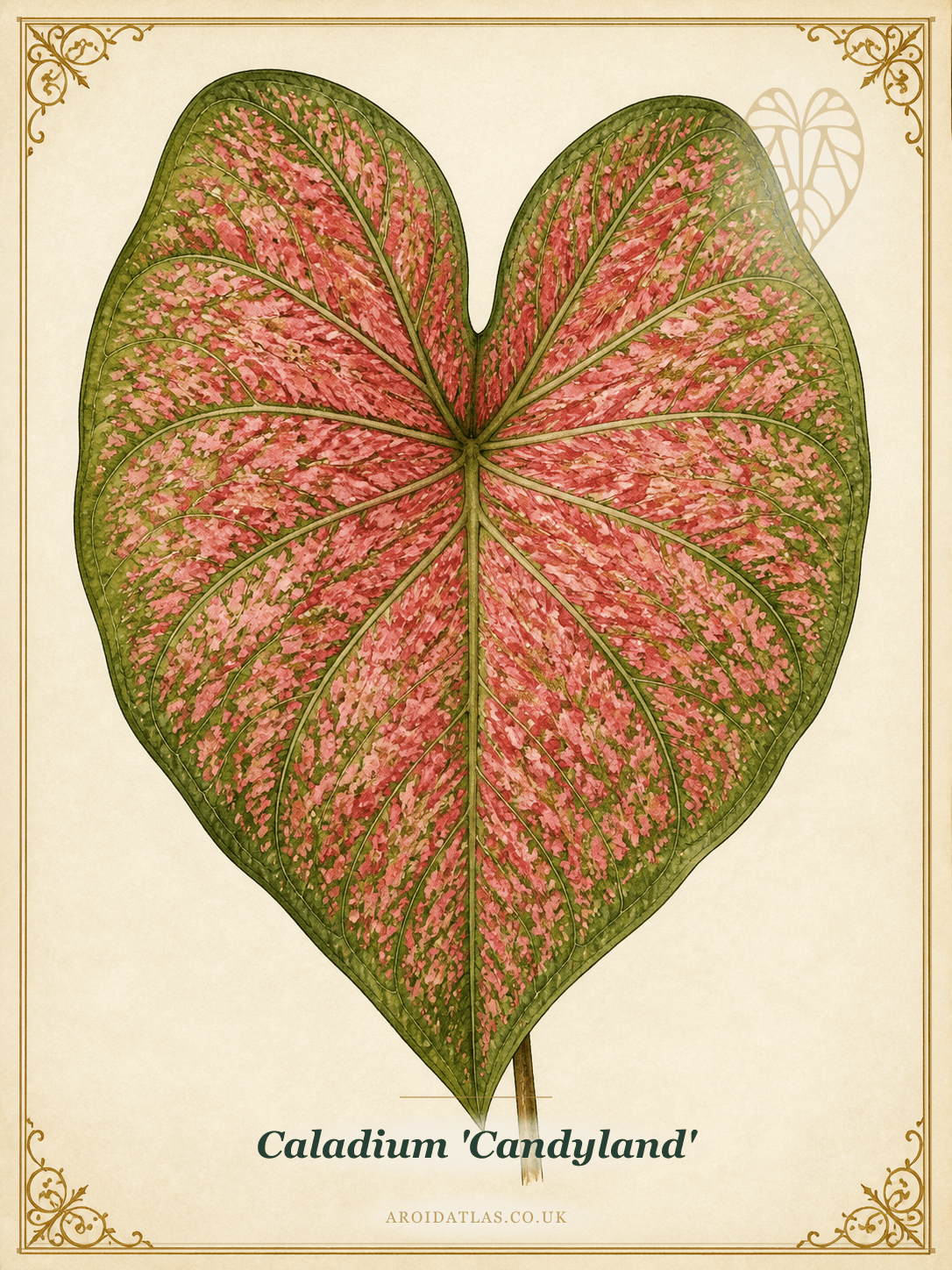
Leaf Detail Portrait
Caladium 'Florida Sweetheart'
Florida Sweetheart Caladium
Aroid Atlas Price Guide
Select Plant Size
Pricing Data Key
Caladium bicolor 'Florida Sweetheart' Morphology
About Caladium bicolor 'Florida Sweetheart'
Florida Sweetheart carries a bold rose-pink centre bleeding into a green margin across a broad, heart-shaped blade, one of many named cultivars to emerge from the University of Florida's long-running Caladium breeding programme, prized for sun tolerance as much as colour. Like the rest of the bicolor cultivar family it is fully deciduous, dying back to its tuber each year.
Origin
Bred by the University of Florida's Caladium programme; the species is South American.
Florida, USA
Market Analysis
Caladium bicolor 'Florida Sweetheart' Price Guide & Auction Value
Historical eBay auction metrics and live retailer listings updated weekly.
No eBay auction history available yet. Data is collected automatically as sales appear on eBay UK.
Before You Buy
Shared checklist for Caladium bicolor and its cultivated forms
- If buying a dormant tuber, check it is firm and plump, not soft, shrivelled or mouldy
- Confirm whether you are buying a live growing plant (in leaf) or a dormant out-of-season tuber
- Established leafy plants should show firm, unblemished foliage without scorch marks
Propagation Guide
How to Propagate Caladium bicolor 'Florida Sweetheart'
Shared across every form of Caladium bicolor — see this form's own Morphology for variegation-specific propagation notes.
6-10 weeks from tuber to full leaf
Cultivar character is preserved through vegetative cuttings
Divide dormant tubers so each section retains at least one visible growth eye, then pot up as growth resumes in spring.
Care Guide
Caladium bicolor 'Florida Sweetheart' Care Guide & Growing Conditions
General care shared across all forms of Caladium bicolor — cultivated forms may need brighter light or higher humidity than the plain species; check this form's Quick Facts above.
Light, free-draining mix: 50% potting compost, 30% perlite, 20% coco coir.
Keep evenly moist throughout active growth; stop watering almost entirely once the foliage dies back for dormancy.
55-75% preferred during active growth for the largest leaves.
Balanced liquid fertiliser at half strength every 2-3 weeks during active growth; none during dormancy.
Repot the dormant tuber into fresh substrate each spring when new growth begins.
Common Problems
Tuber rot over winter
Substrate kept too wet during dormancy
Keep the dormant tuber nearly dry and store in a cool, frost-free spot until spring
No regrowth in spring
Tuber temperature too low, or tuber was damaged/rotted
Ensure the tuber is kept above roughly 18°C once you want it to resprout, and check it is still firm before replanting
Scorched or bleached leaves
Direct hot sun
Move to bright indirect light or light shade; most Caladium foliage scorches in direct summer sun

