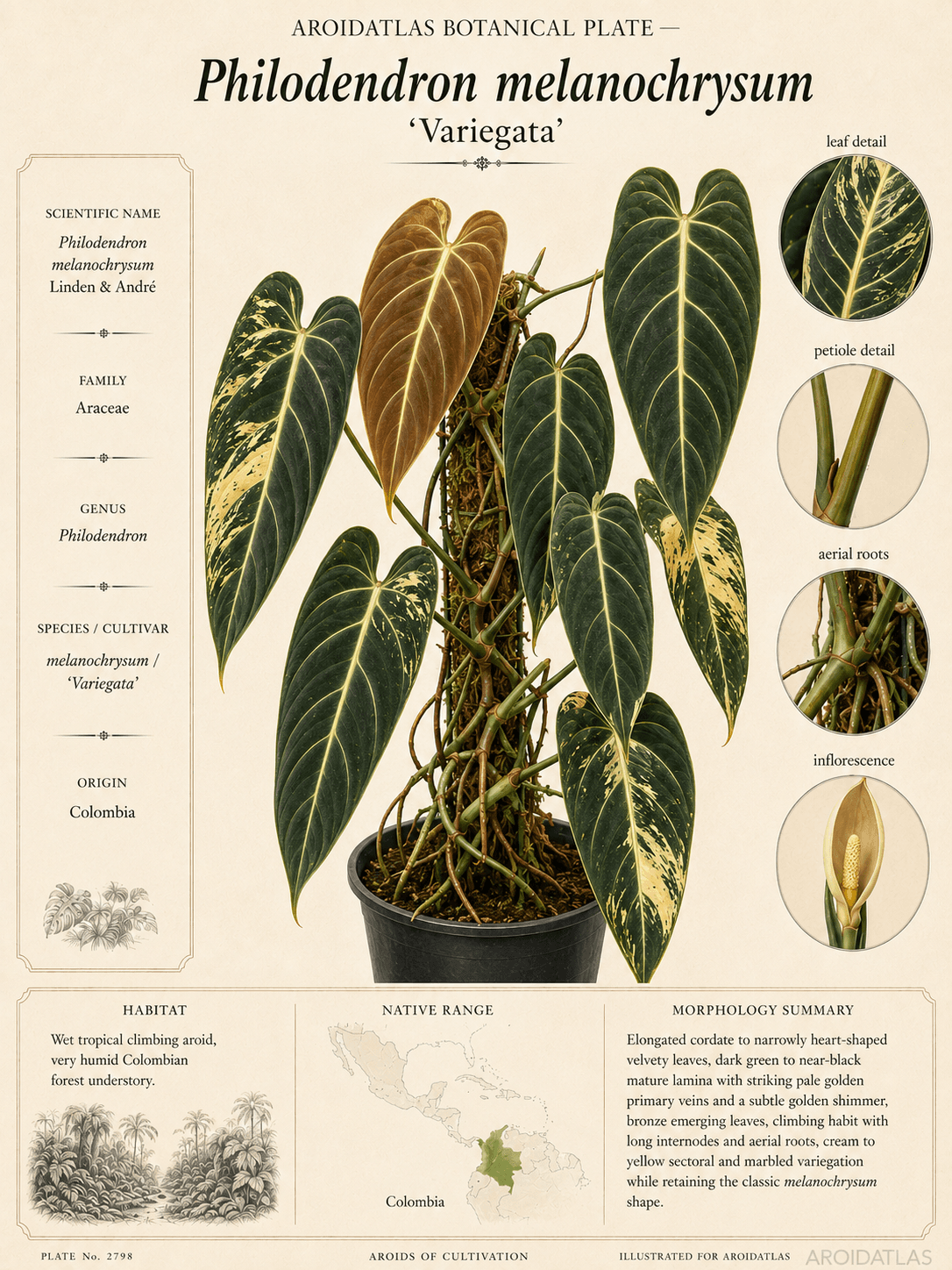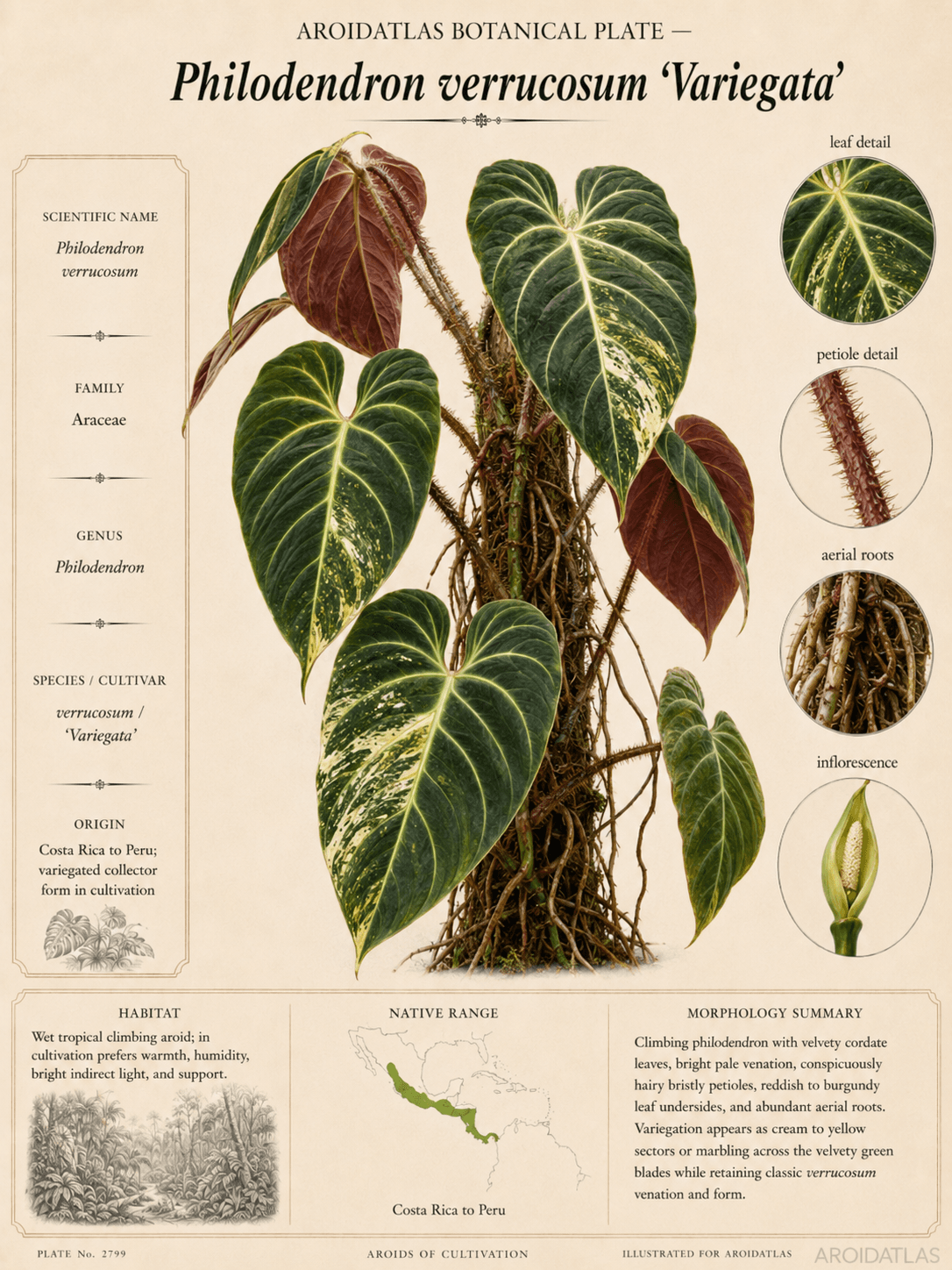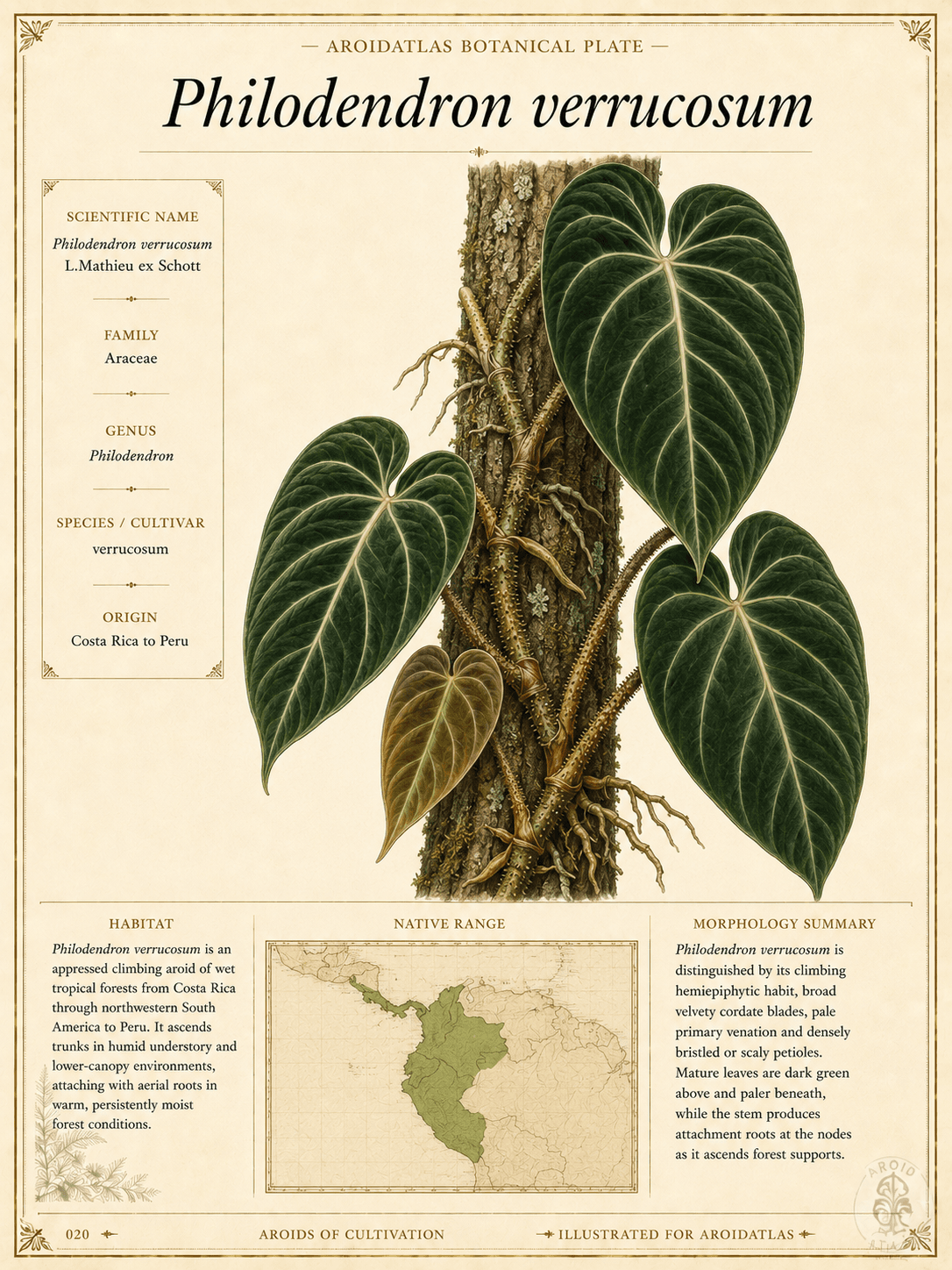
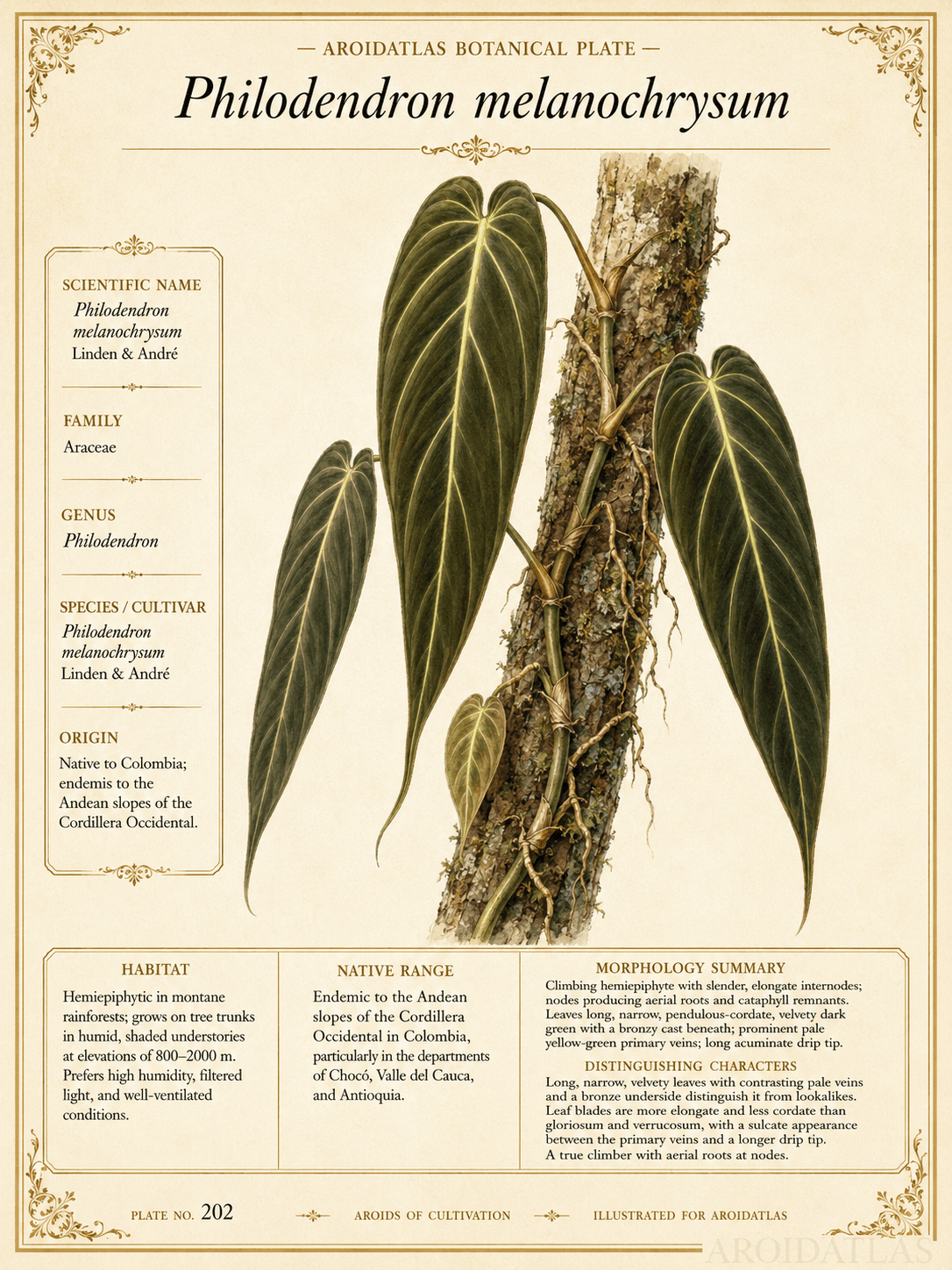
A horticultural cross — priced, illustrated and tracked independently of either parent.
Full Specimen Plate
Philodendron 'Splendid'
Splendid Philodendron
Aroid Atlas Price Guide
Select Plant Size
Pricing Data Key
Community price estimate based on limited sales history
Market Analysis
Philodendron 'Splendid' Price Guide & Auction Value
Historical eBay auction metrics and live retailer listings updated weekly.
No eBay auction history available yet. Data is collected automatically as sales appear on eBay UK.
Before You Buy
Species-specific things to check when evaluating a listing
- Check that roots are firm and white to tan — avoid plants with black, slimy, or absent roots
- Inspect leaf undersides for thrips (tiny dark specks or silvery streaking) and mealybugs (white cottony deposits at leaf axils)
- Verify the plant has at least 2–3 healthy leaves and shows signs of active growth
- For listings showing only one photo, request images of the roots, underside of leaves, and any new growth before purchasing
Philodendron 'Splendid' Morphology
About Philodendron 'Splendid'
Philodendron 'Splendid' is a climbing hybrid believed to cross Philodendron verrucosum and Philodendron melanochrysum, two widely grown velvety climbing Philodendrons. The verrucosum parent contributes its velvety leaf texture and crisp, pale primary venation; the melanochrysum parent lends the elongated, tapering cordate form with a pronounced acuminate apex and deep, rich leaf colour. The result is a climbing hemiepiphyte with elongated, velvety, cordate leaves on robust internodes bearing cataphyll remnants and aerial roots for climbing and anchorage. The deep green blades show pale primary venation and an elongated tapering tip, the leaf shape referenced by the cultivar name. Among Philodendron hybrids, 'Splendid' combines traits of both parents in a single, vigorous cultivar.
Propagation Guide
How to Propagate Philodendron 'Splendid'
Single-node cuttings root readily in moist sphagnum or water. Maintain 70%+ humidity and bottom warmth for best results.
Care Guide
Philodendron 'Splendid' Care Guide & Growing Conditions
High-porosity mix: 50% perlite, 30% orchid bark, 20% coco coir. Good aeration is essential — philodendrons are prone to root rot in dense substrates.
Water thoroughly when the top 3–4 cm of substrate is dry. Ensure free drainage and never allow to sit in water. Reduce frequency in winter.
60–80% preferred. UK tap water can cause brown tips — use rainwater or filtered water where possible.
Balanced liquid fertiliser (e.g. 20-20-20) at quarter strength every two weeks in spring and summer. Monthly at most in winter.
Every 12–18 months or when roots circle the base of the pot. Move up one pot size only — oversized pots increase rot risk.
Common Problems
Brown leaf tips
Low humidity or fluoride/chlorine in tap water
Increase ambient humidity and switch to rainwater or filtered water
Yellow leaves
Overwatering or compacted substrate
Allow substrate to dry further between waterings; check root health and repot if necessary
Leggy growth with small leaves
Insufficient light
Move to a brighter position with more indirect light
Greater Than the Sum of Its Parts
I have a particular weakness for hybrids that justify their existence immediately and without argument. *Philodendron 'Splendid'* does exactly that. One looks at a mature leaf — that elongated, tapering form, the velvety depth of the blade, those crisp pale veins — and it is quite clear why someone thought to cross *P. verrucosum* with *P. melanochrysum*. Each parent is magnificent in isolation. Together, they produce something that surpasses both. The cataphyll remnants along the internodes, the aerial roots gripping the moss pole with quiet determination, the new leaf emerging like a tightly furled letter of considerable importance — the whole plant is an exercise in botanical theatre conducted at precisely the right volume.