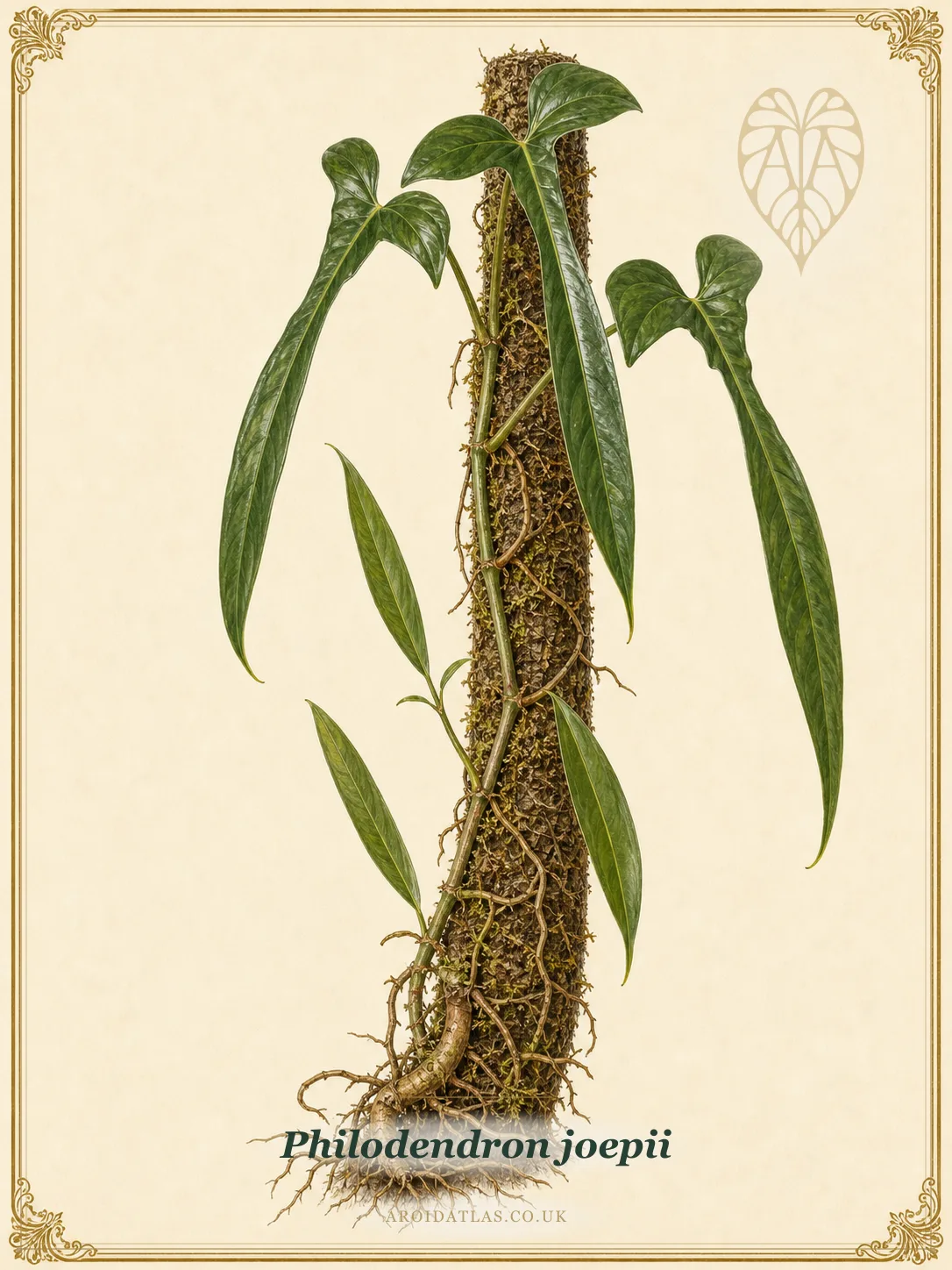
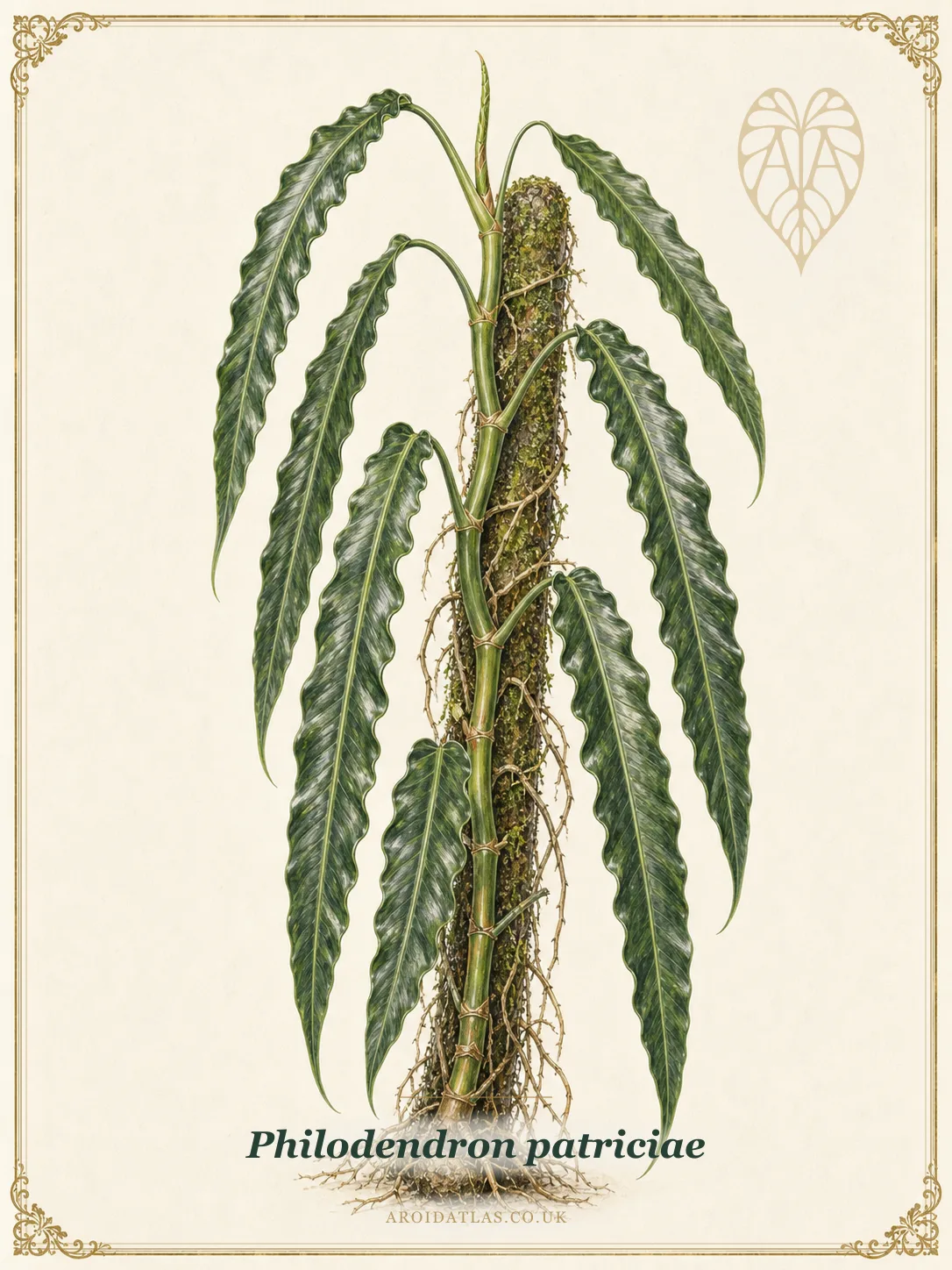
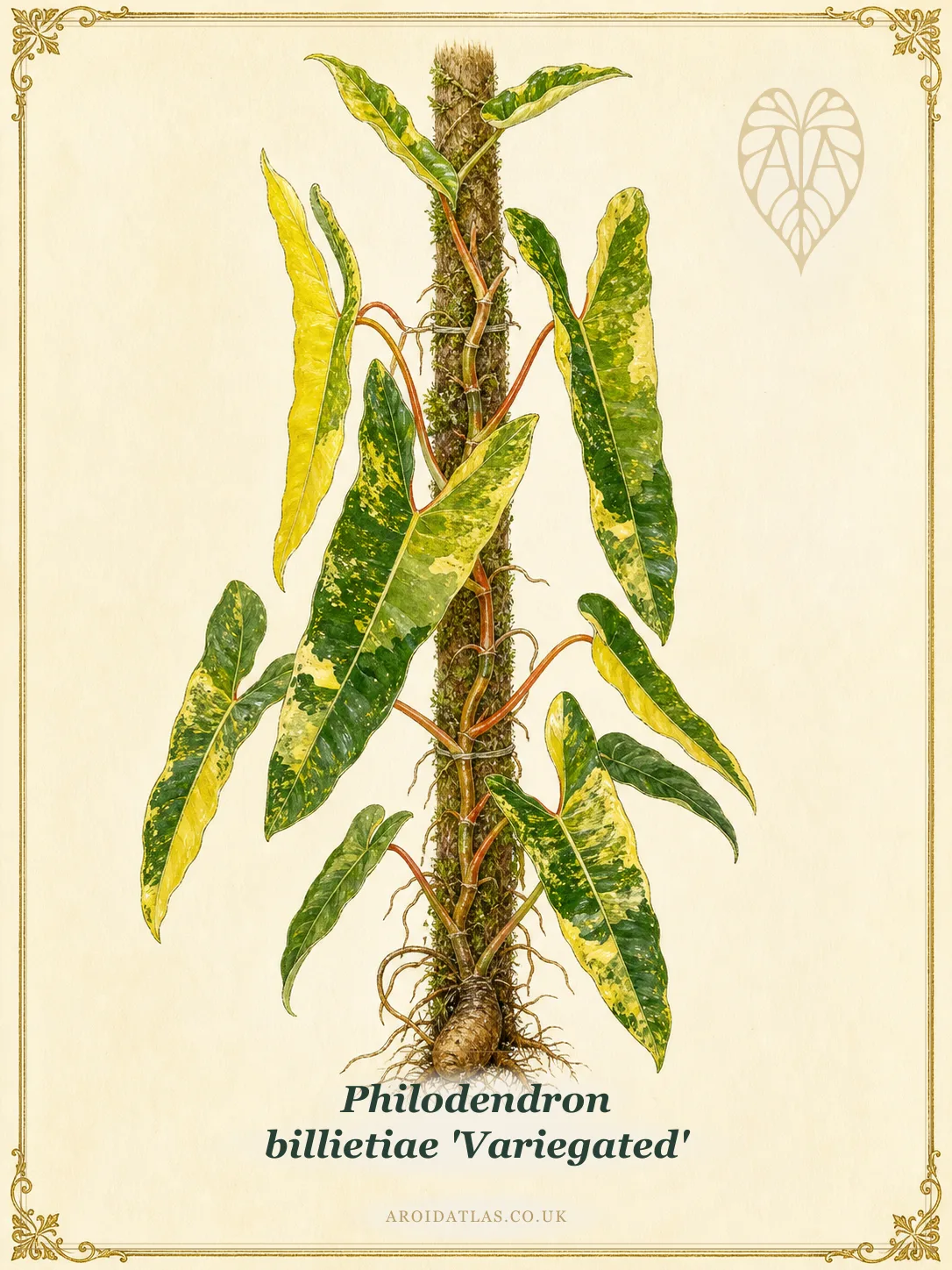
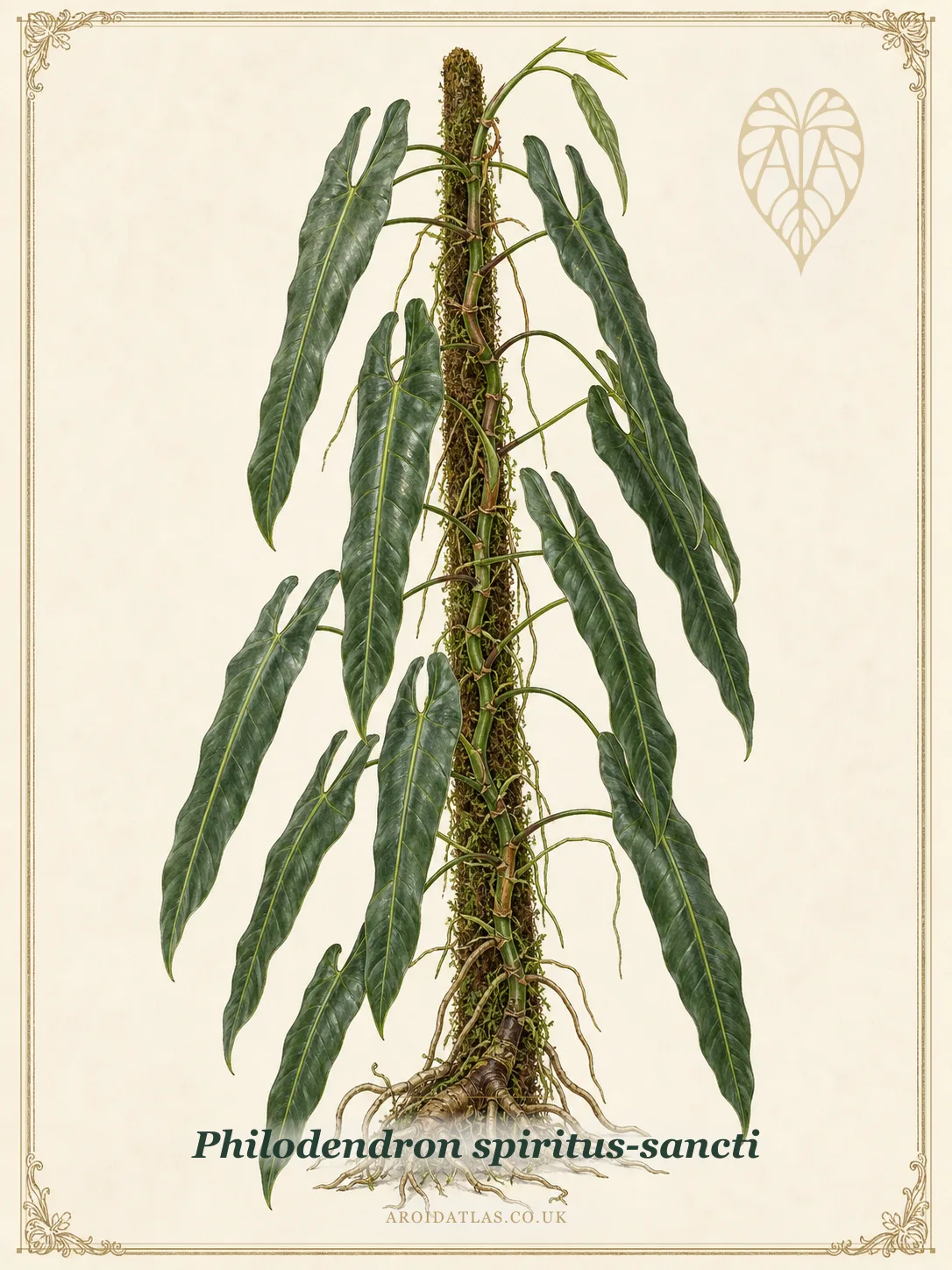
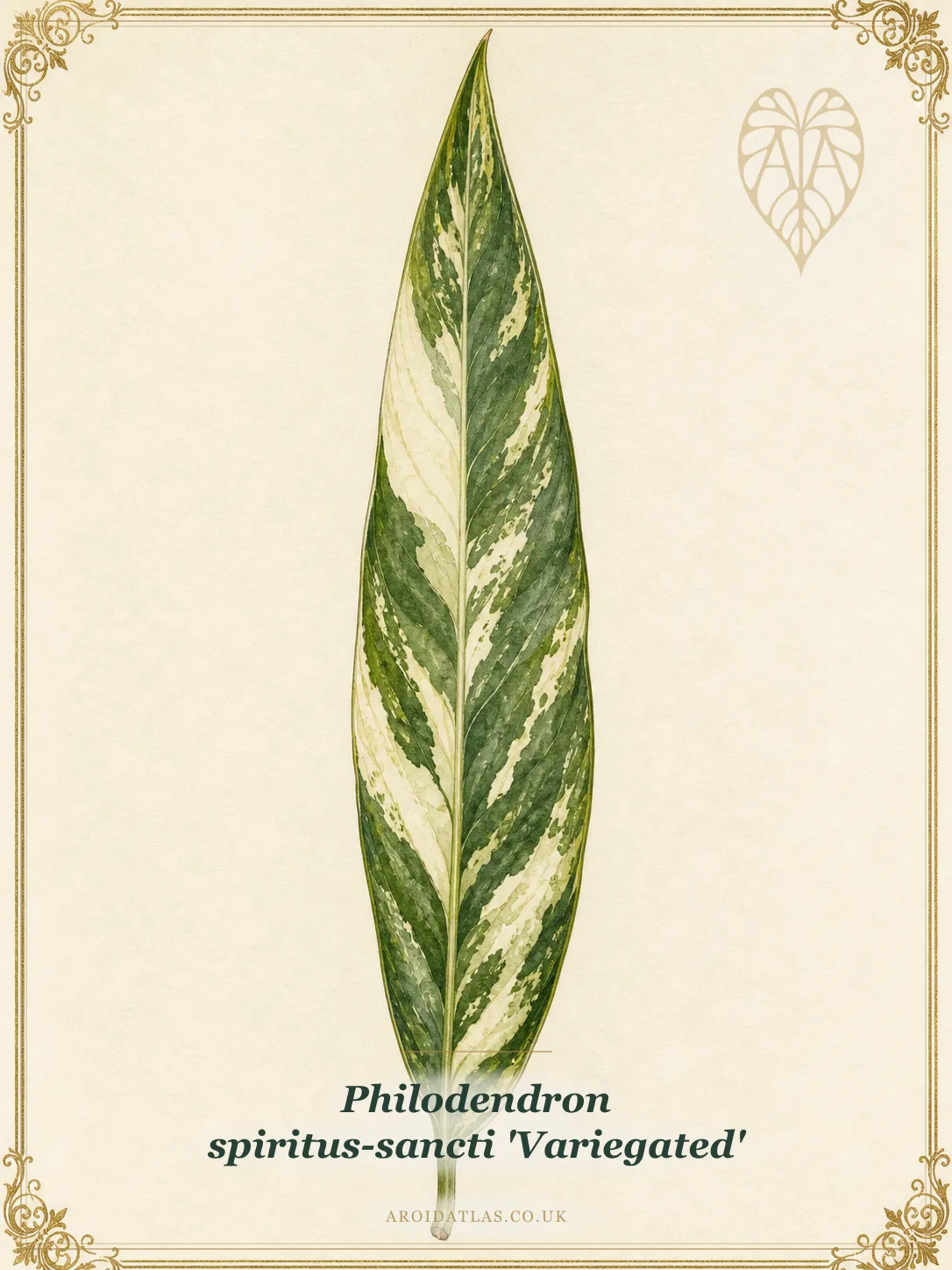
Full Specimen Plate
Philodendron spiritus-sancti
Philodendron Spiritus Sancti
- Coir Moss Pole, 120cm (4-Pack)Coco coir totem for climbing aroids to root into as they grow upward.
- Natural Rooting Powder, 3 x 75gRooting hormone powder for stem and leaf cuttings.
- Precision Bonsai Pruning Scissors, 200mmFine-bladed snips for clean node cuts when taking a cutting.
- Humidity Dome, Heavy-Duty Germination KitVented propagation dome for holding humidity around fresh cuttings.
Amazon links — we may earn commission on qualifying purchases.
7cm Target Price
£17.00
Market Hub
Philodendron spiritus-sancti Sold Prices & Live Market
What the Target Price above is based on: eBay sold prices by plant size, live listings, and retailer stock.
No eBay sales recorded yet. Sold listings are collected as they appear on eBay.
Before You Buy
Species-specific things to check when evaluating a listing
- Given the price and how frequently this species is misspelled or mislabelled in listings, verify the seller's feedback history and photo authenticity before committing
- Check that roots are firm and white to tan; avoid plants with black, slimy, or absent roots
- Inspect leaf undersides for thrips (tiny dark specks or silvery streaking) and mealybugs (white cottony deposits at leaf axils)
- Ask for a clear photo of the whole plant plus a close-up of a fully unfurled leaf, since damage during unfurling is common and affects value
Philodendron spiritus-sancti Morphology
About Philodendron spiritus-sancti
Philodendron spiritus-sancti is known for its extremely elongated, dangling lanceolate leaves with deep sinus lobes. It originates from a highly restricted wild habitat in Brazil. Historically priced in the thousands of pounds, increasing availability through micropropagation and tissue culture has begun shifting market dynamics, though mature, high-character specimens still command premium prices among collectors.
Native Range
Brazil
Propagation Guide
How to Propagate Philodendron spiritus-sancti
Propagation Guide
How to Propagate Philodendron spiritus-sancti
4-8 months
Slow-growing species that roots reluctantly. Use moist sphagnum with high humidity and bottom heat. Multiple nodes improve success. Valuable enough that air layering is often preferred to avoid losing the cutting.
Care Guide
Philodendron spiritus-sancti Care Guide & Growing Conditions
Care Guide
Philodendron spiritus-sancti Care Guide & Growing Conditions
High-porosity mix: 50% perlite, 30% orchid bark, 20% coco coir, on a sturdy moss pole set in at planting time. The elongated leaves put real weight on the climbing support as they mature.
Water thoroughly when the top 3-4 cm of substrate is dry. Slow to moderate growth means it uses water more slowly than a vigorous climber; err on the side of underwatering.
Very high, 75-90%. A terrarium, greenhouse cabinet, or humidifier-supported grow space is close to essential for clean leaf unfurling at this species' price tier.
Quarter-strength balanced fertiliser every two to three weeks in the growing season, monthly in winter.
Every 12-18 months, sizing up the climbing support with the pot. Handle roots minimally given the value and slow recovery time of a damaged specimen.
Common Problems
New leaf tearing or failing to unfurl cleanly
Humidity dropping during the unfurling process, which the long lanceolate leaves are especially sensitive to
Keep humidity stable and high for the full duration a new leaf takes to open, not just at initiation
Root rot
Substrate that stays wet, often from a mix that's too dense or a pot with poor drainage
Repot into a chunkier mix immediately and trim away any mushy roots; act quickly given the plant's value
No new growth for extended periods
Normal for a slow to moderate grower, particularly through cooler months
Keep conditions stable rather than repeatedly adjusting light, feed, or position
Field Reference
In the Wild
Field Reference
In the Wild
Field Notes
Hunting the Ghost of Espírito Santo
Philodendron spiritus-sancti is one of the most sought-after aroids, endemic to a tiny area of Atlantic Forest in Espírito Santo, Brazil. Described in 1987 by George Bunting, it is critically endangered in the wild, with only a handful of mature specimens left in their natural habitat. Its long, dangling lanceolate leaves and reddish-purple petioles are well documented in the botanical literature. In recent years, micropropagation has made it widely available to collectors, though mature specimens still sell high. Studies on the conservation genetics of P. spiritus-sancti highlight the importance of ex-situ cultivation to prevent total extinction.