Scroll to explore forms of Philodendron hederaceum
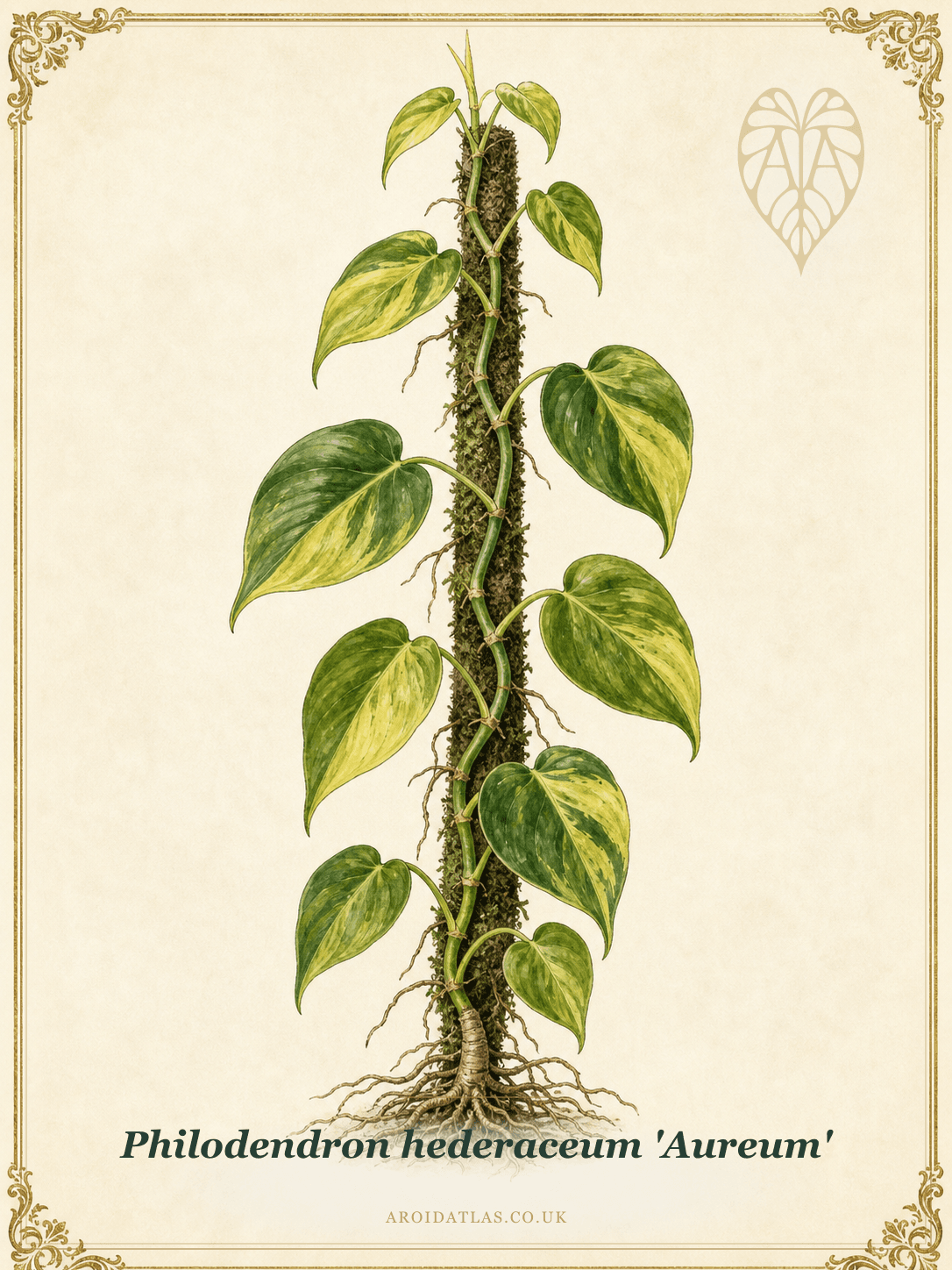
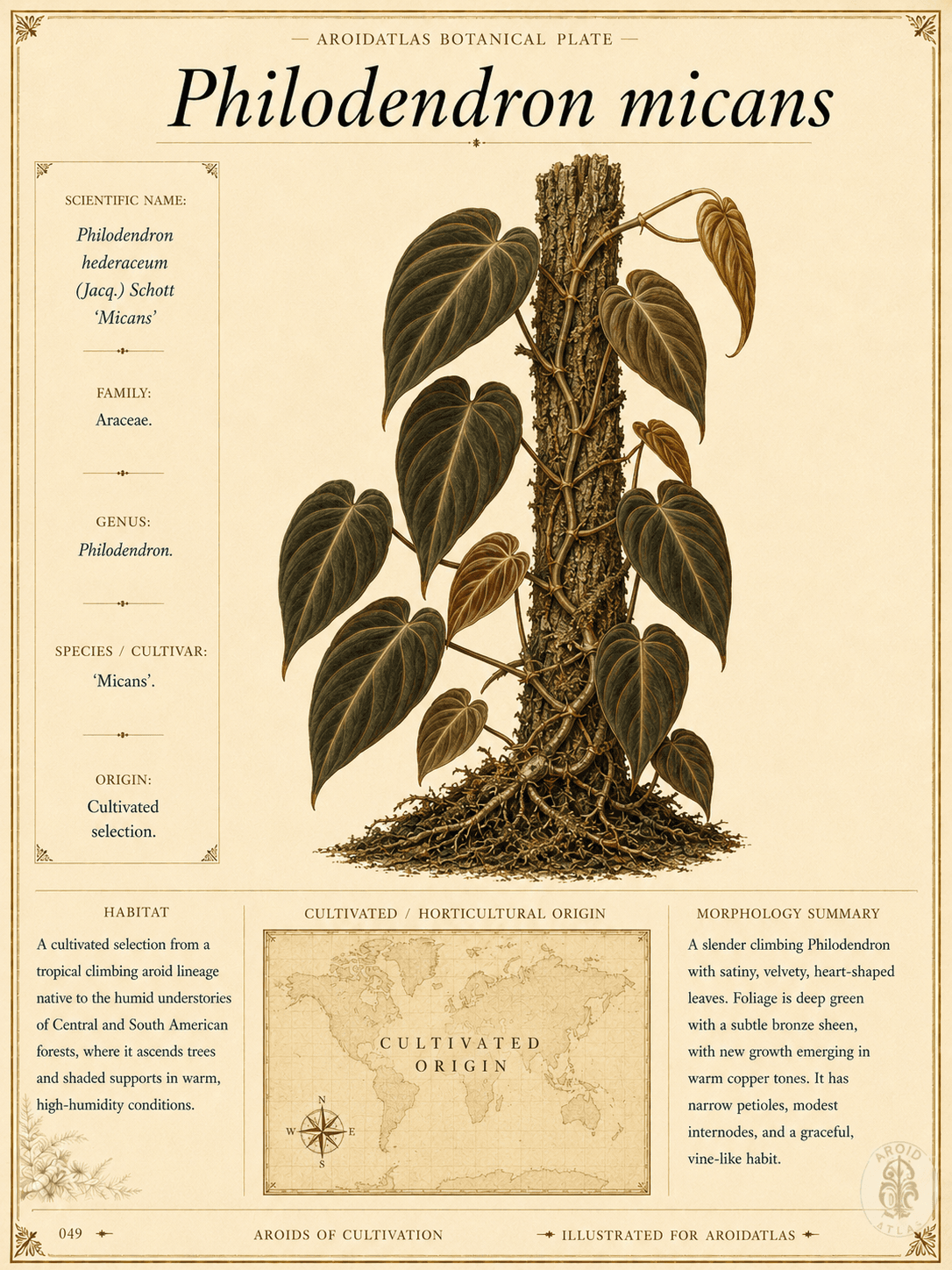
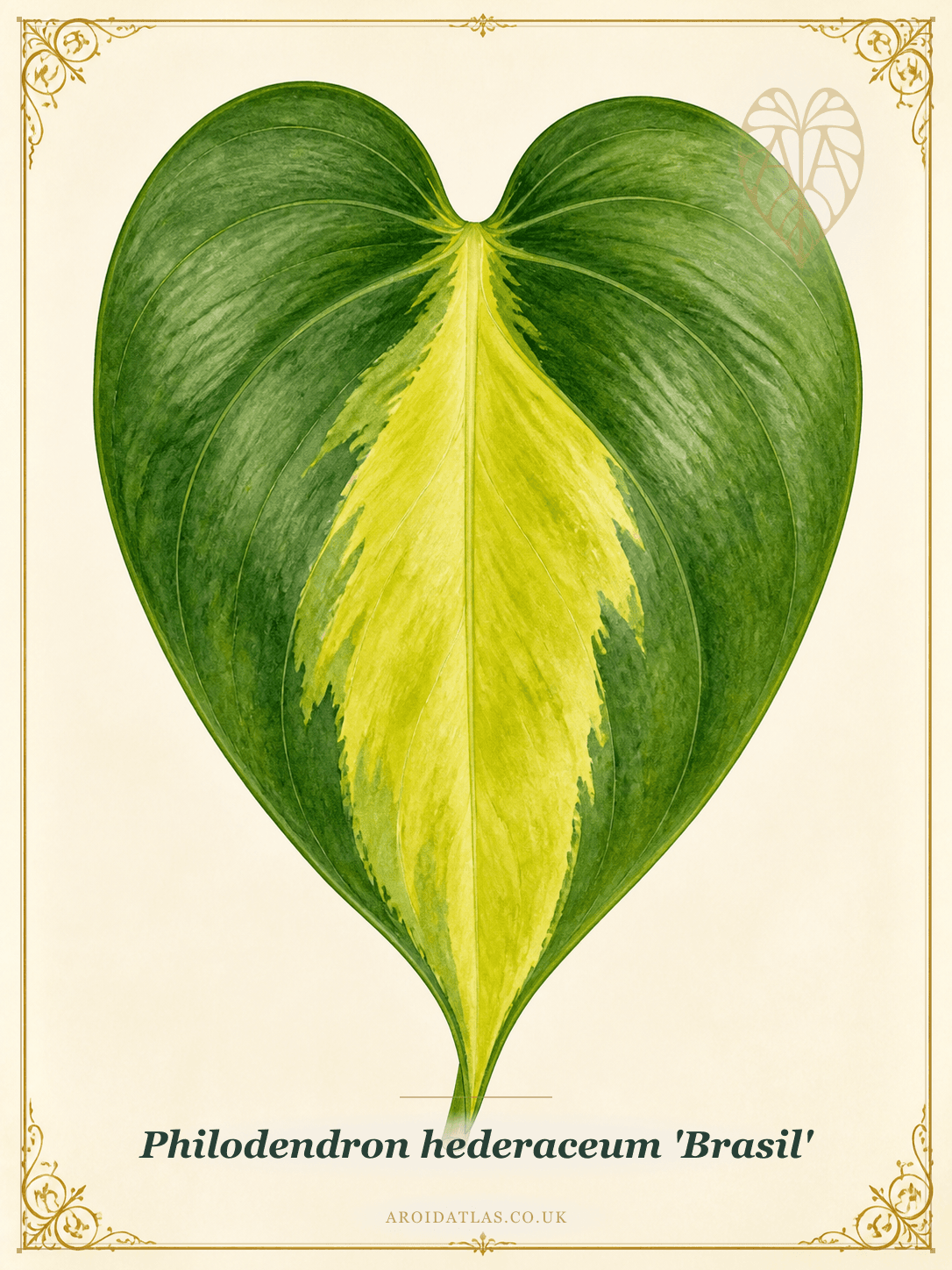
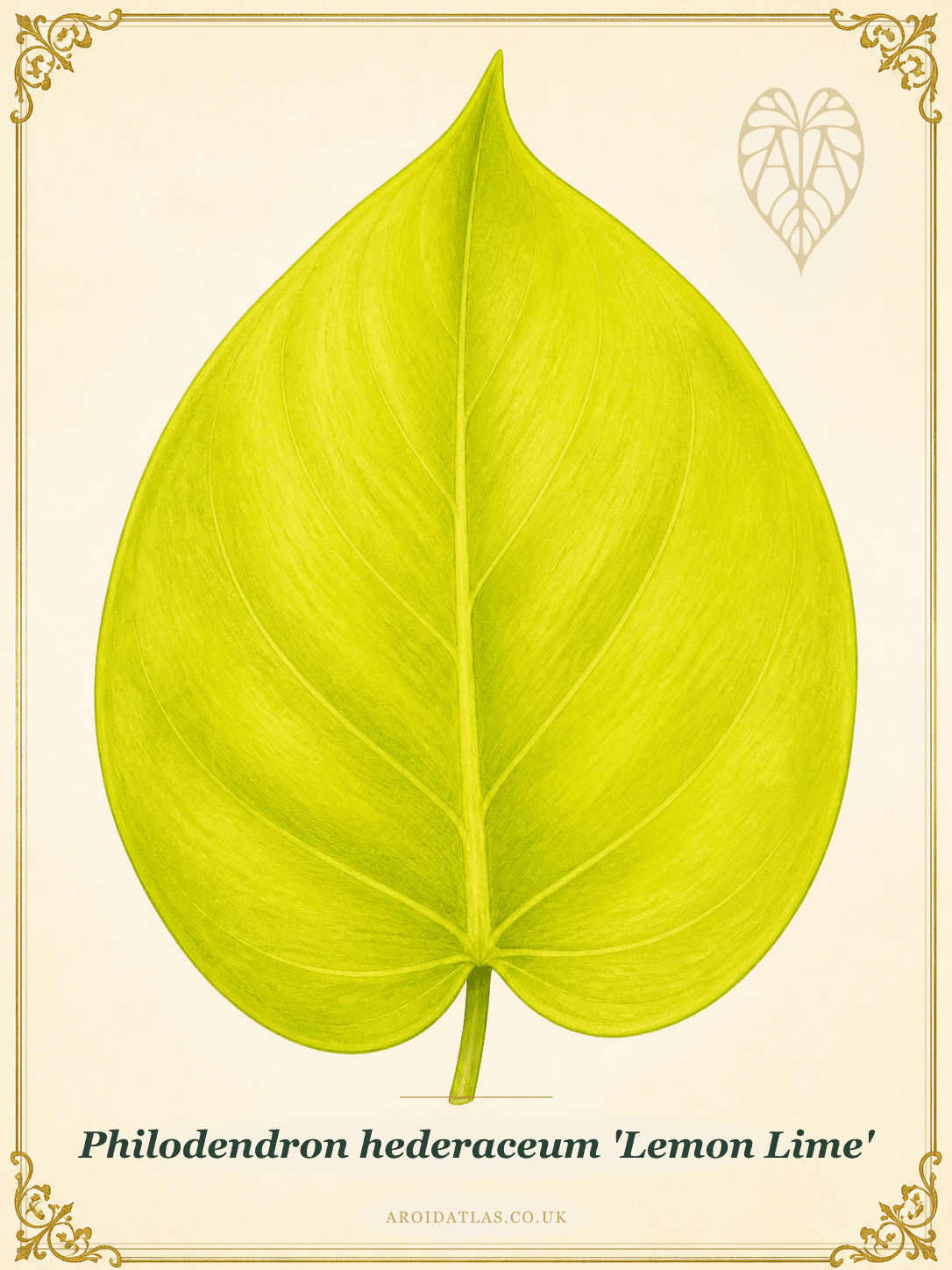
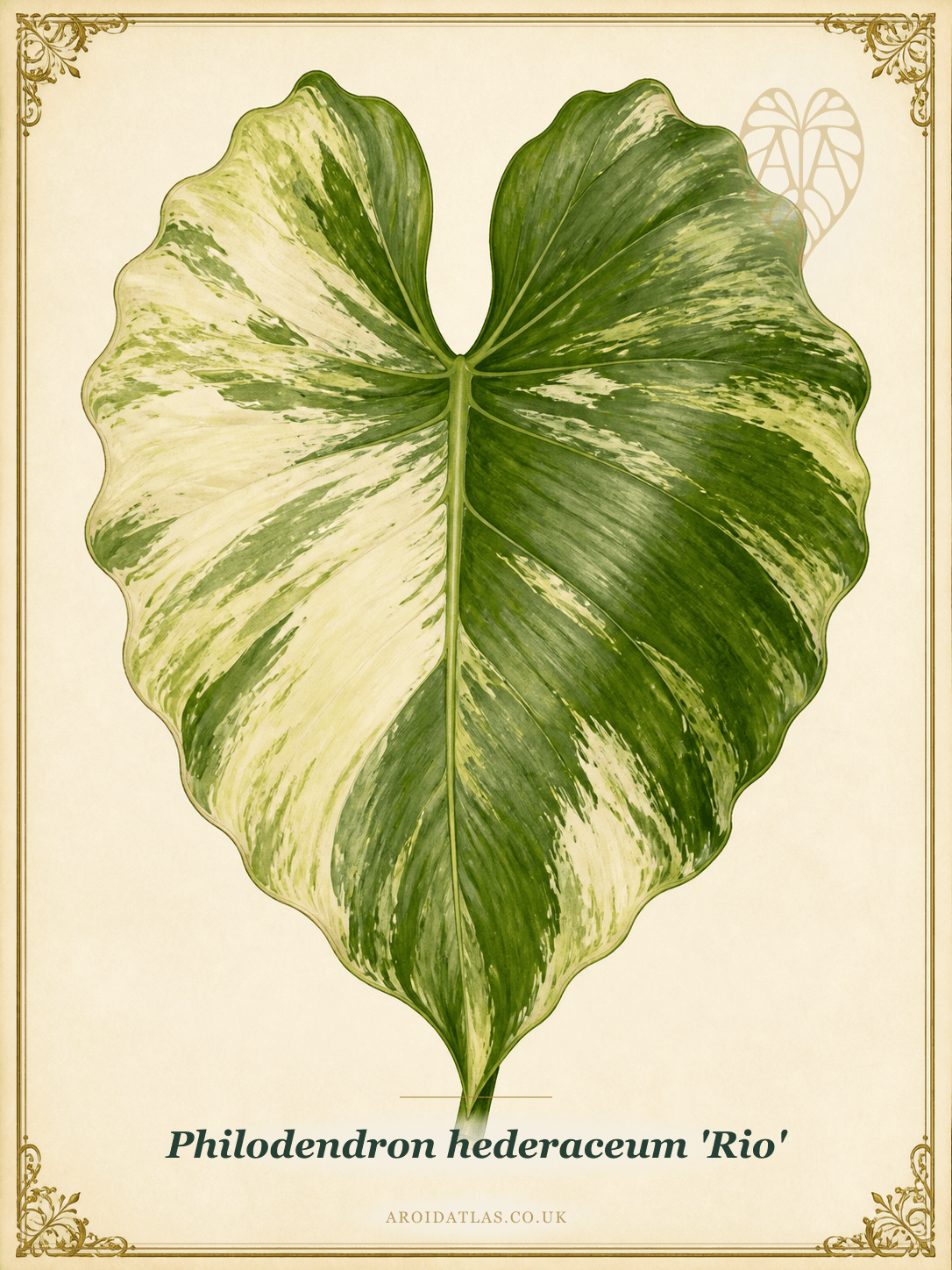
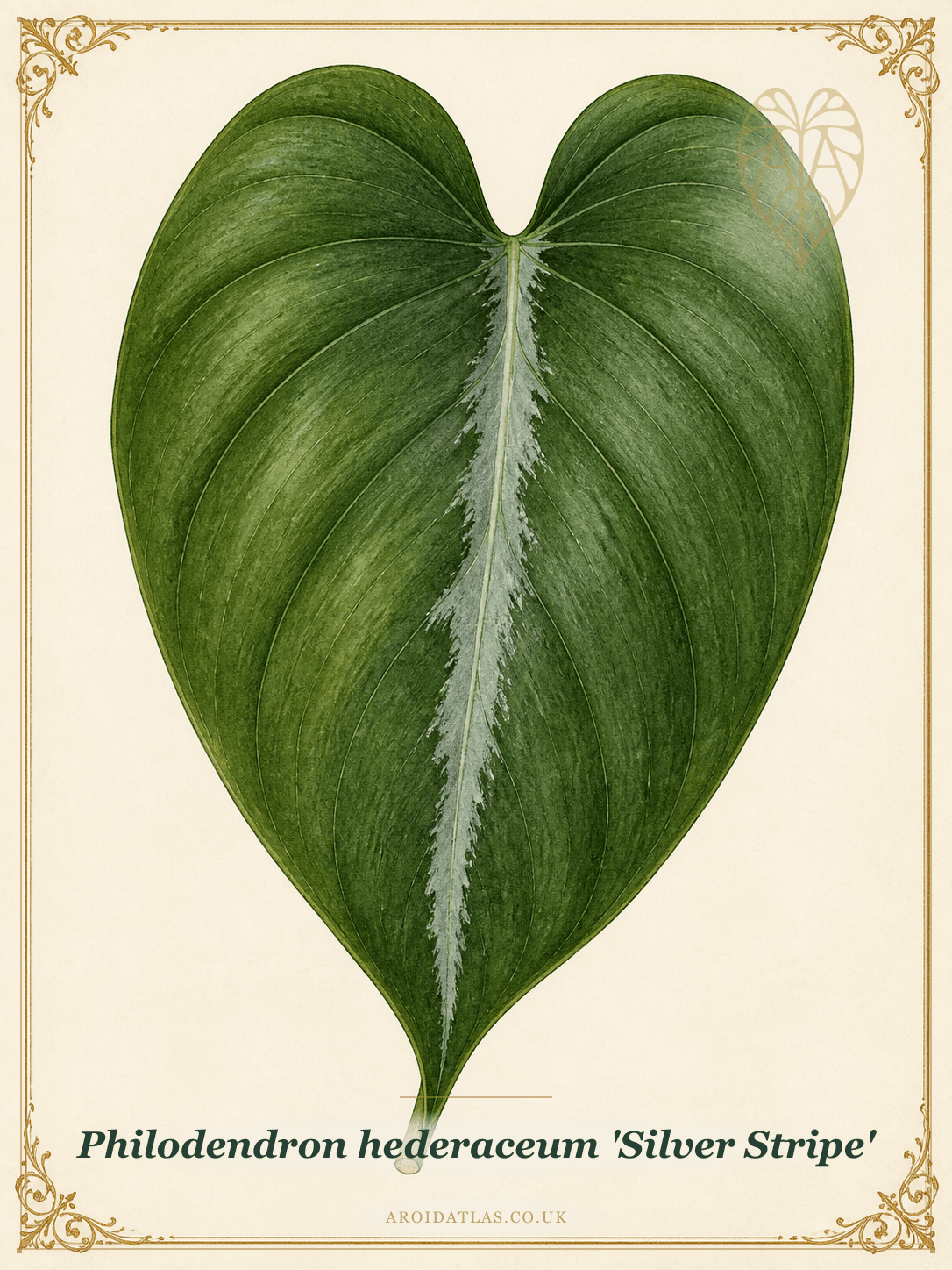
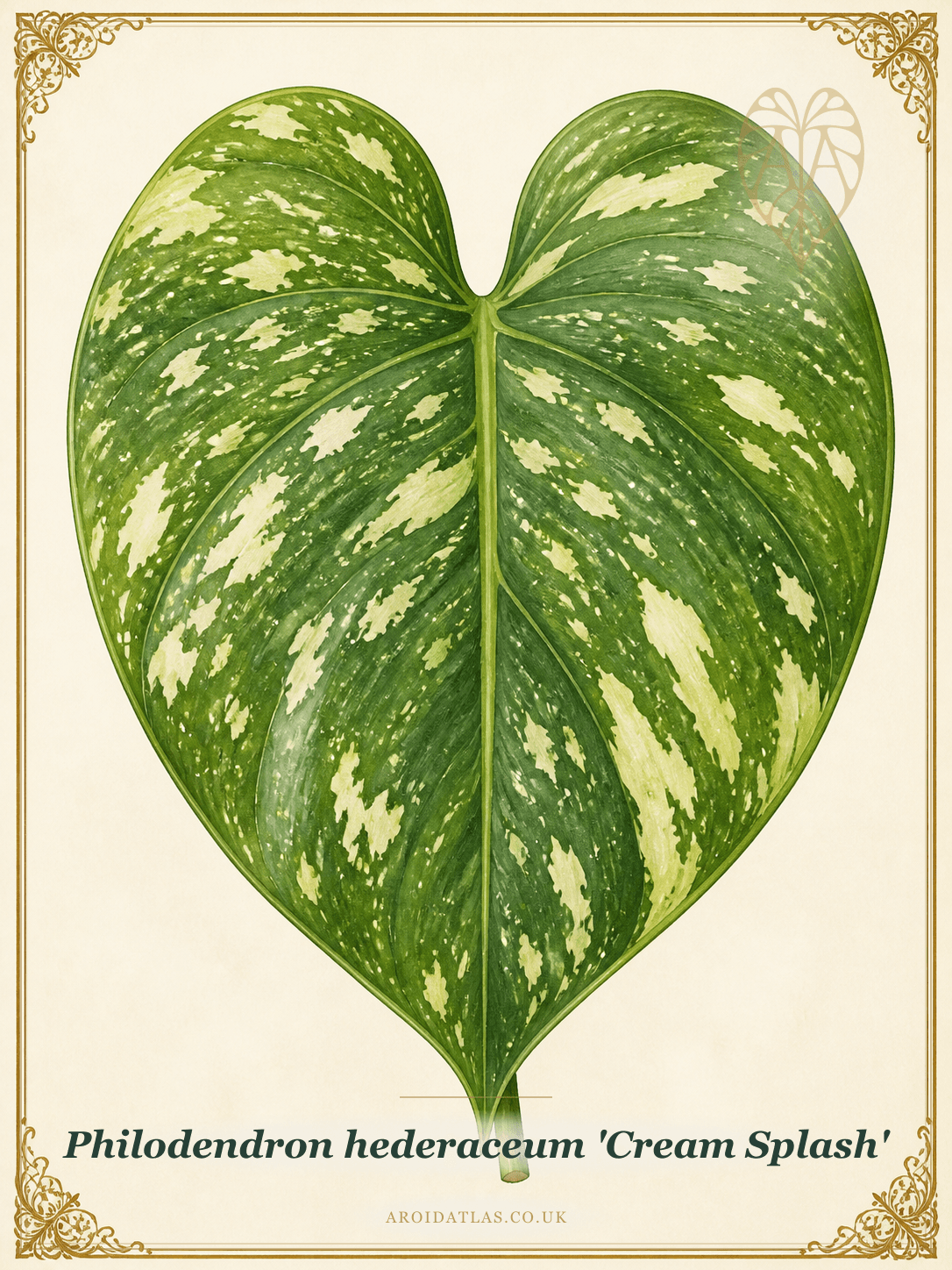
Full Specimen Plate
Philodendron hederaceum
Heartleaf Philodendron
Market Analysis
Philodendron hederaceum Price Guide & Auction Value
Historical eBay auction metrics and live retailer listings updated weekly.
No eBay auction history available yet. Data is collected automatically as sales appear on eBay UK.
Before You Buy
Species-specific things to check when evaluating a listing
- Check that roots are firm and white to tan — avoid plants with black, slimy, or absent roots
- Inspect leaf undersides for thrips (tiny dark specks or silvery streaking) and mealybugs (white cottony deposits at leaf axils)
- Verify the plant has at least 2–3 healthy leaves and shows signs of active growth
- For listings showing only one photo, request images of the roots, underside of leaves, and any new growth before purchasing
Philodendron hederaceum Morphology
About Philodendron hederaceum
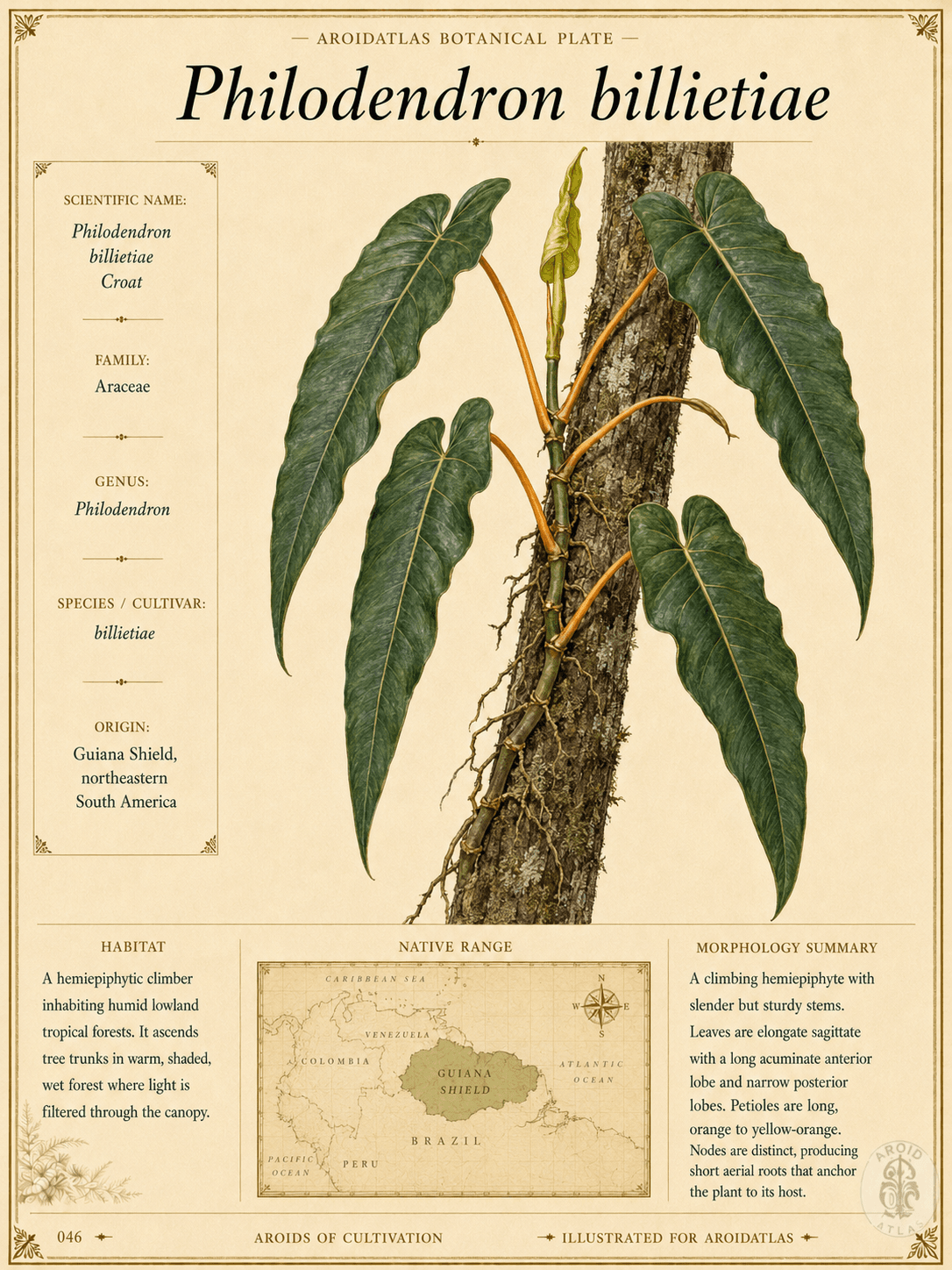
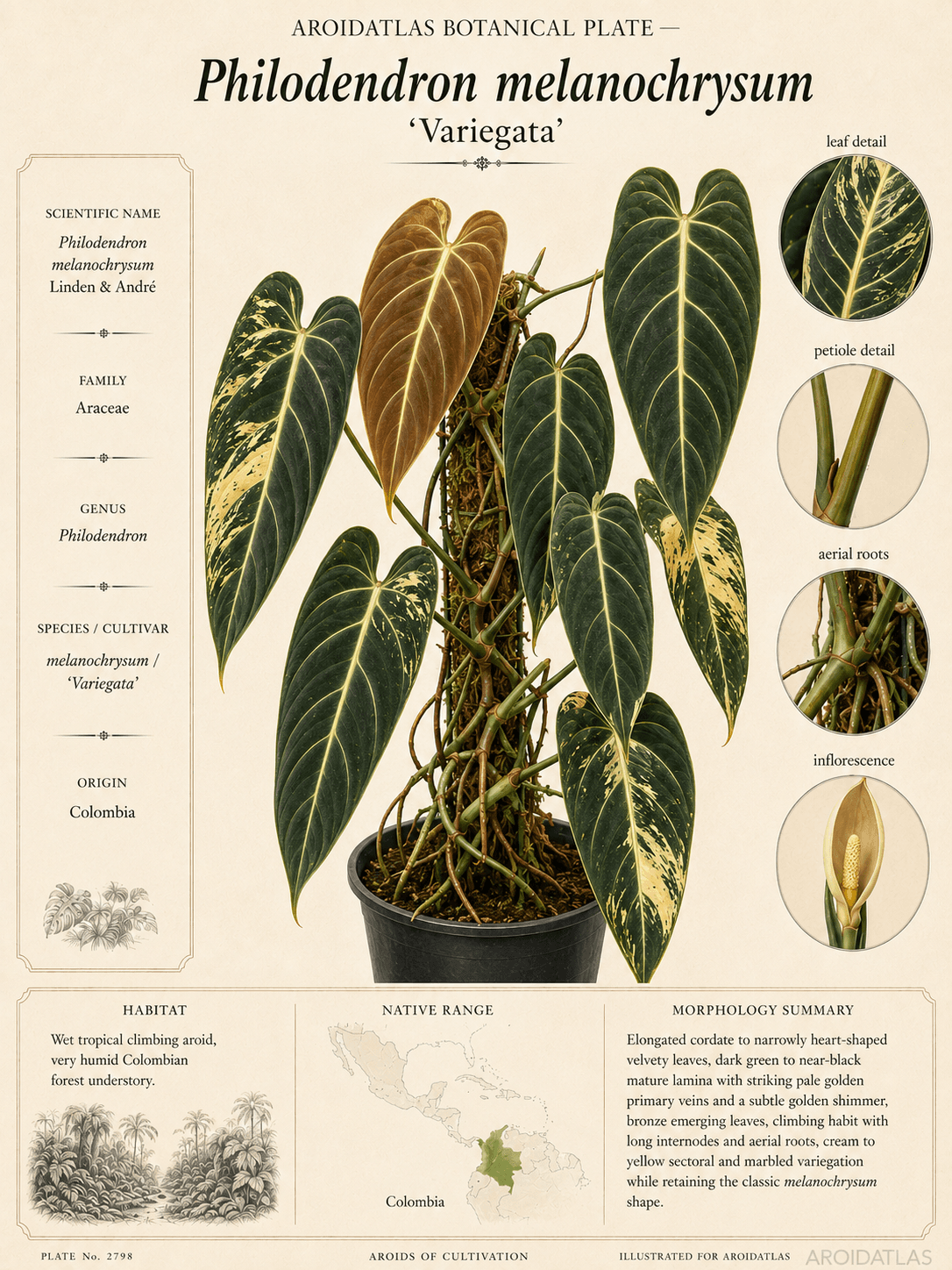
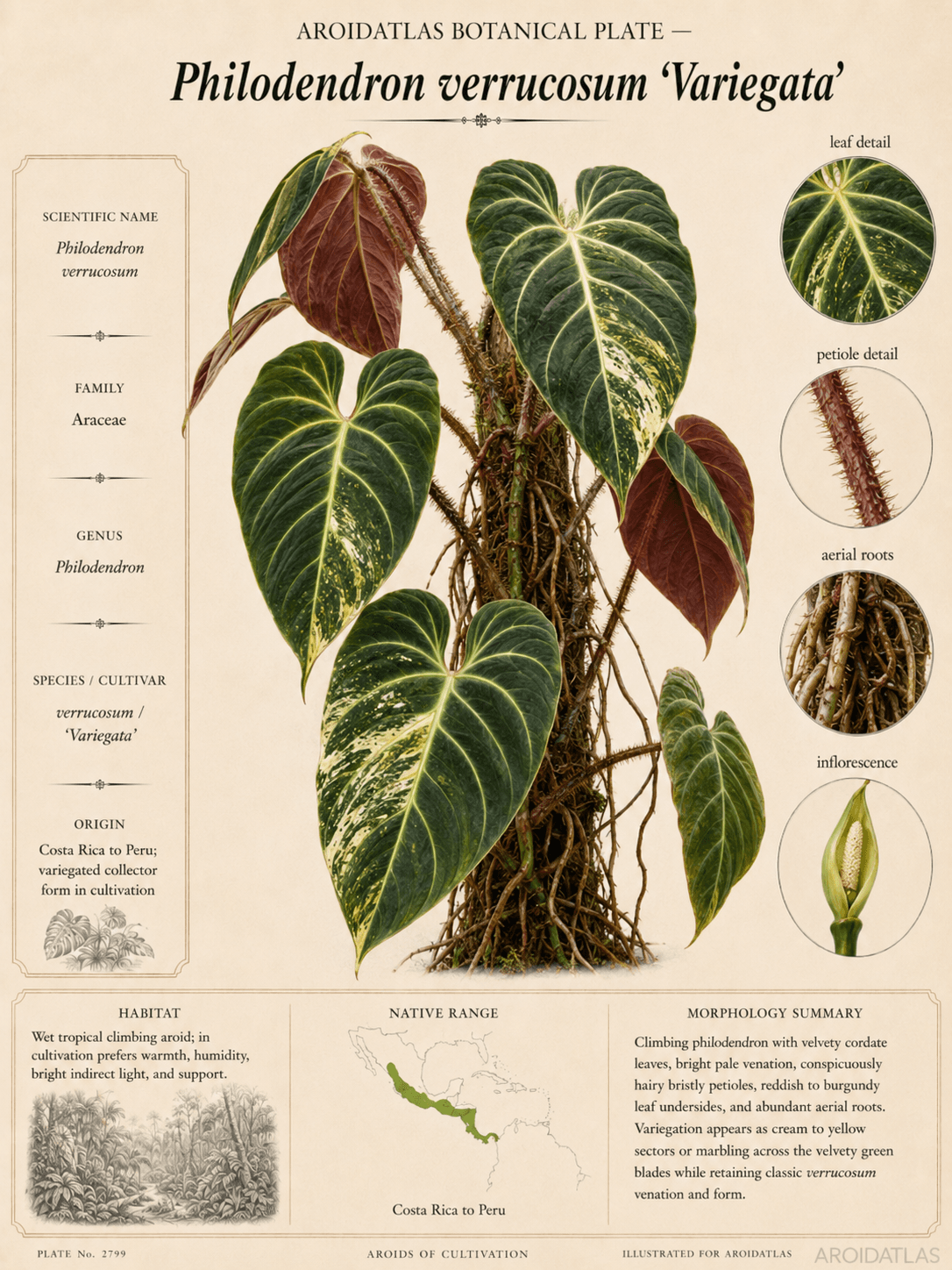
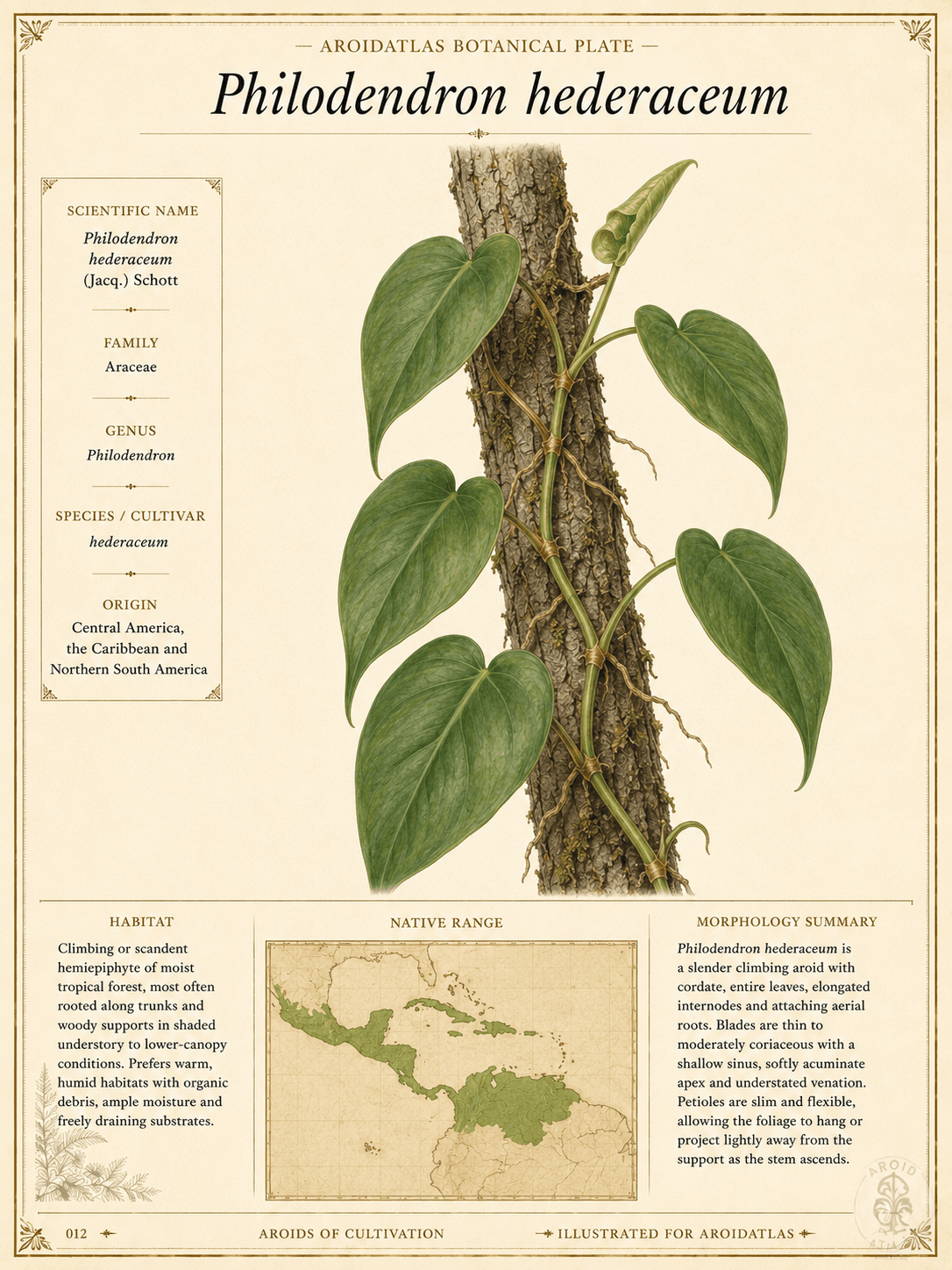
Philodendron hederaceum is the botanical species underpinning what is likely the most widely grown Philodendron in cultivation — a climbing or scandent hemiepiphyte distributed across Central America, the Caribbean and northern South America, rooting along trunks and woody supports in shaded forest understory to lower canopy. The species in its true botanical form is a slender, graceful climber with elongated internodes and attaching aerial roots, carrying thin to moderately coriaceous cordate leaves with a shallow sinus, softly acuminate apex and understated venation on slim, flexible petioles. In the wild it is a forest plant of genuine ecological importance; in cultivation it has given rise to dozens of named forms including the common 'Brasil' cultivar. The true species remains an excellent foundational plant — forgiving, vigorous, and a useful reference point for understanding the genus.
Propagation Guide
How to Propagate Philodendron hederaceum
Single-node cuttings root readily in moist sphagnum or water. Maintain 70%+ humidity and bottom warmth for best results.
Care Guide
Philodendron hederaceum Care Guide & Growing Conditions
High-porosity mix: 50% perlite, 30% orchid bark, 20% coco coir. Good aeration is essential — philodendrons are prone to root rot in dense substrates.
Water thoroughly when the top 3–4 cm of substrate is dry. Ensure free drainage and never allow to sit in water. Reduce frequency in winter.
60–80% preferred. UK tap water can cause brown tips — use rainwater or filtered water where possible.
Balanced liquid fertiliser (e.g. 20-20-20) at quarter strength every two weeks in spring and summer. Monthly at most in winter.
Every 12–18 months or when roots circle the base of the pot. Move up one pot size only — oversized pots increase rot risk.
Common Problems
Brown leaf tips
Low humidity or fluoride/chlorine in tap water
Increase ambient humidity and switch to rainwater or filtered water
Yellow leaves
Overwatering or compacted substrate
Allow substrate to dry further between waterings; check root health and repot if necessary
Leggy growth with small leaves
Insufficient light
Move to a brighter position with more indirect light
Ordinary, and That's the Point
Philodendron hederaceum is, depending on your tolerance for the democratic distribution of tropical aroids, either the most approachable entry point into the family or an indication of how far we have collectively lowered our standards. Described by Jacquin in 1798. The heartleaf Philodendron will grow in almost any light, in almost any soil, with almost any frequency of watering, and look broadly presentable throughout. It is perfectly nice. It is also being sold, in one form or another, in every supermarket and DIY store in Britain. At single-tier pricing, which is precisely what it should cost.