Scroll to explore forms of Zamioculcas zamiifolia
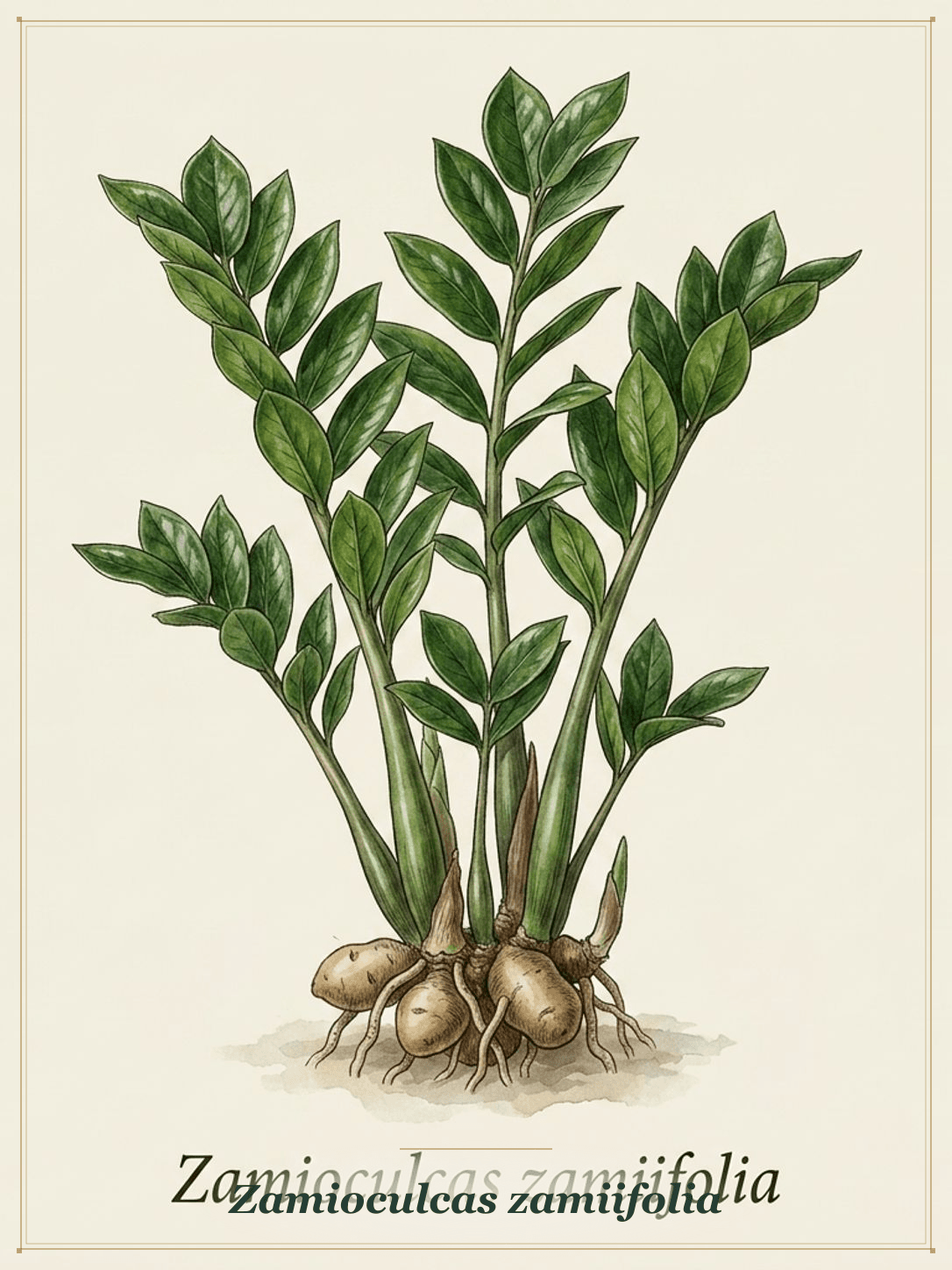
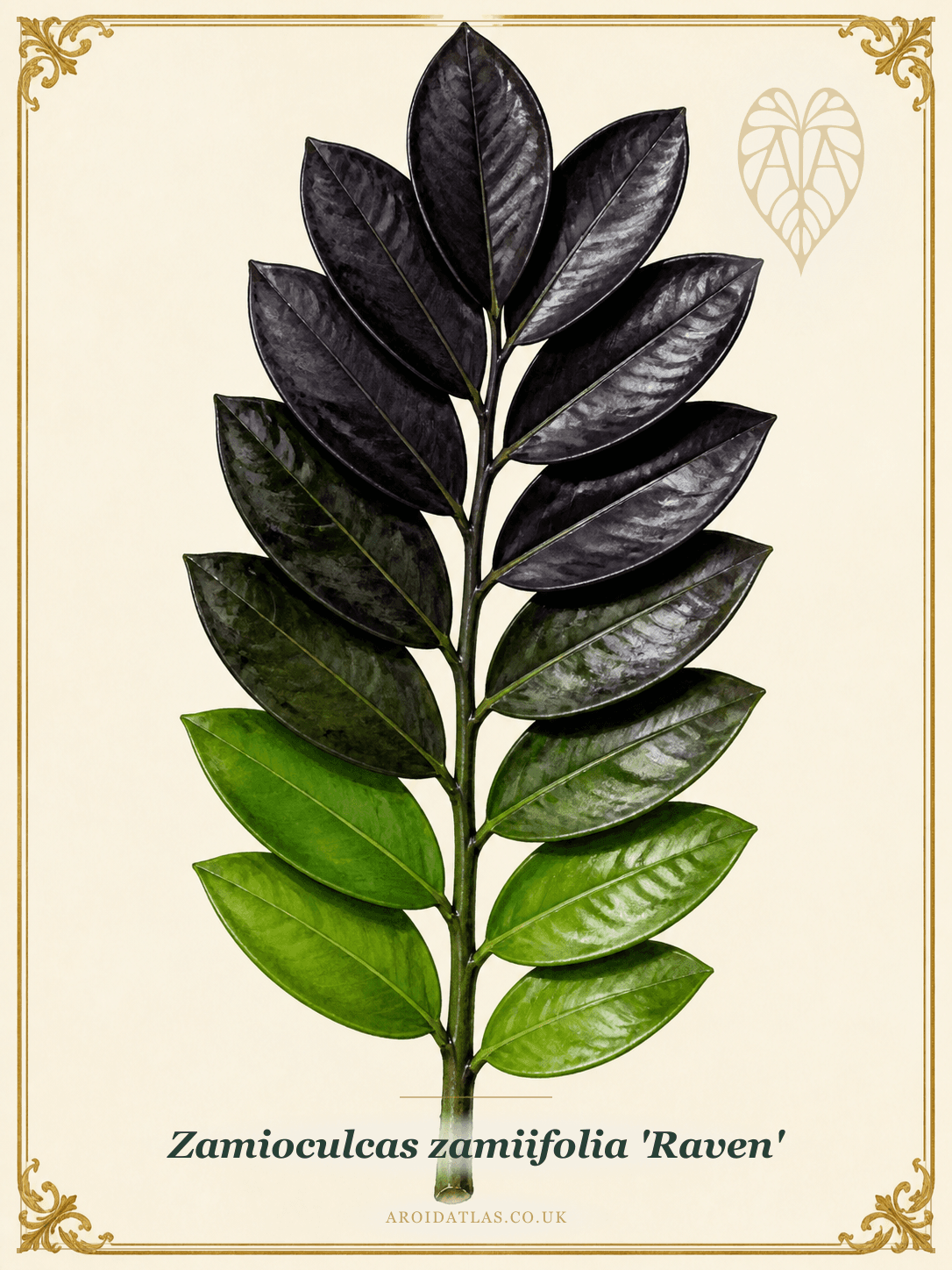
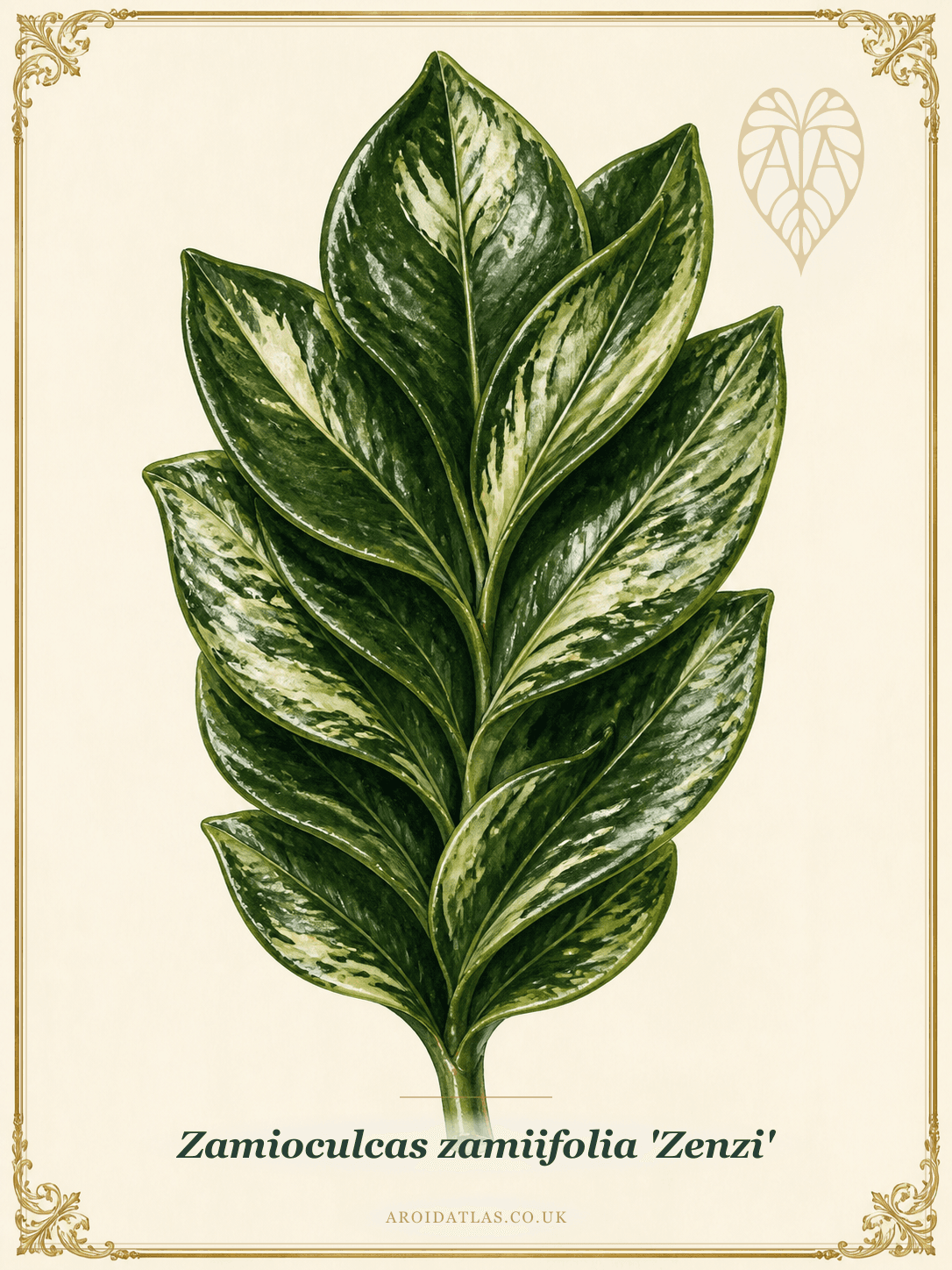
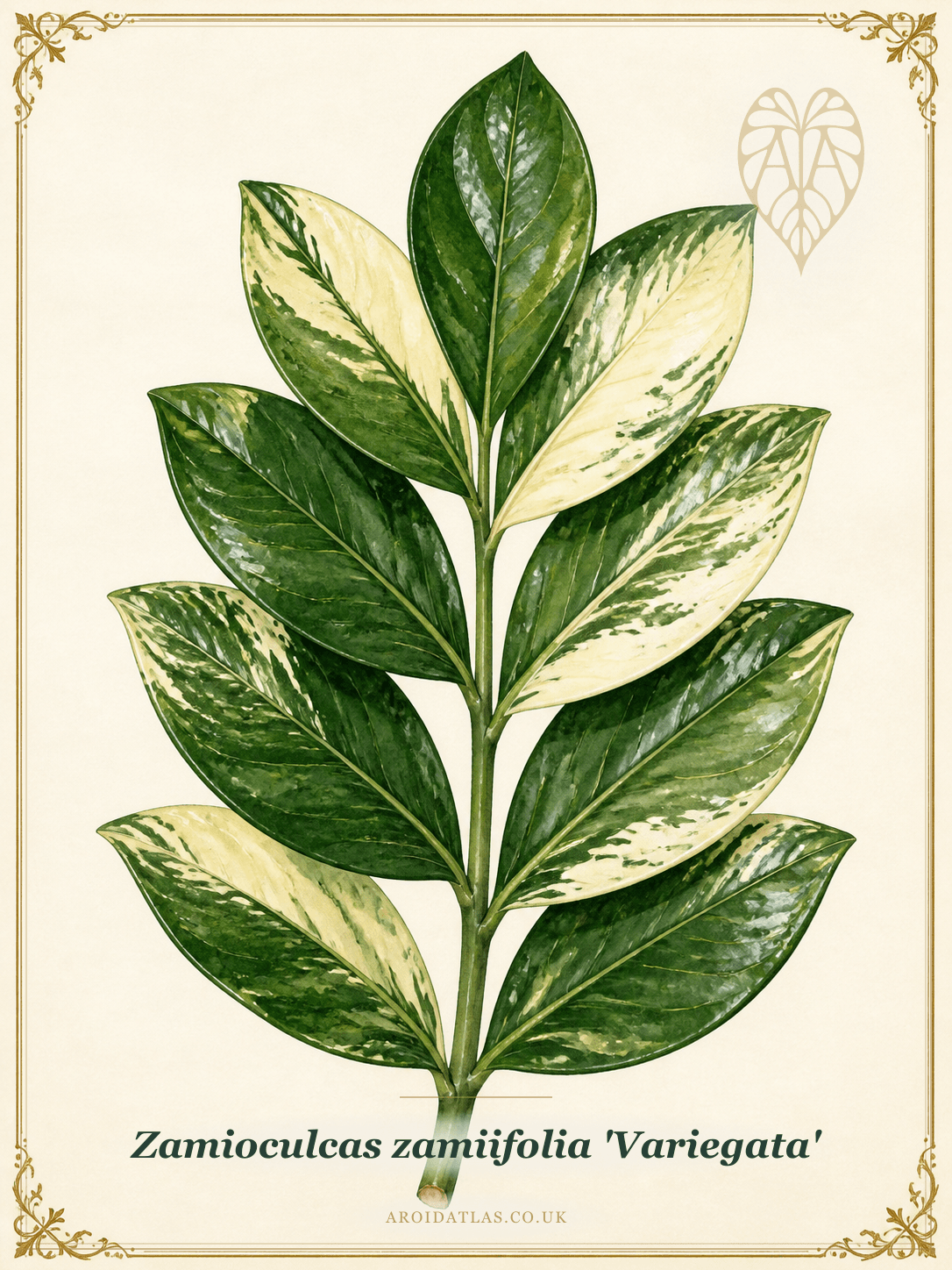
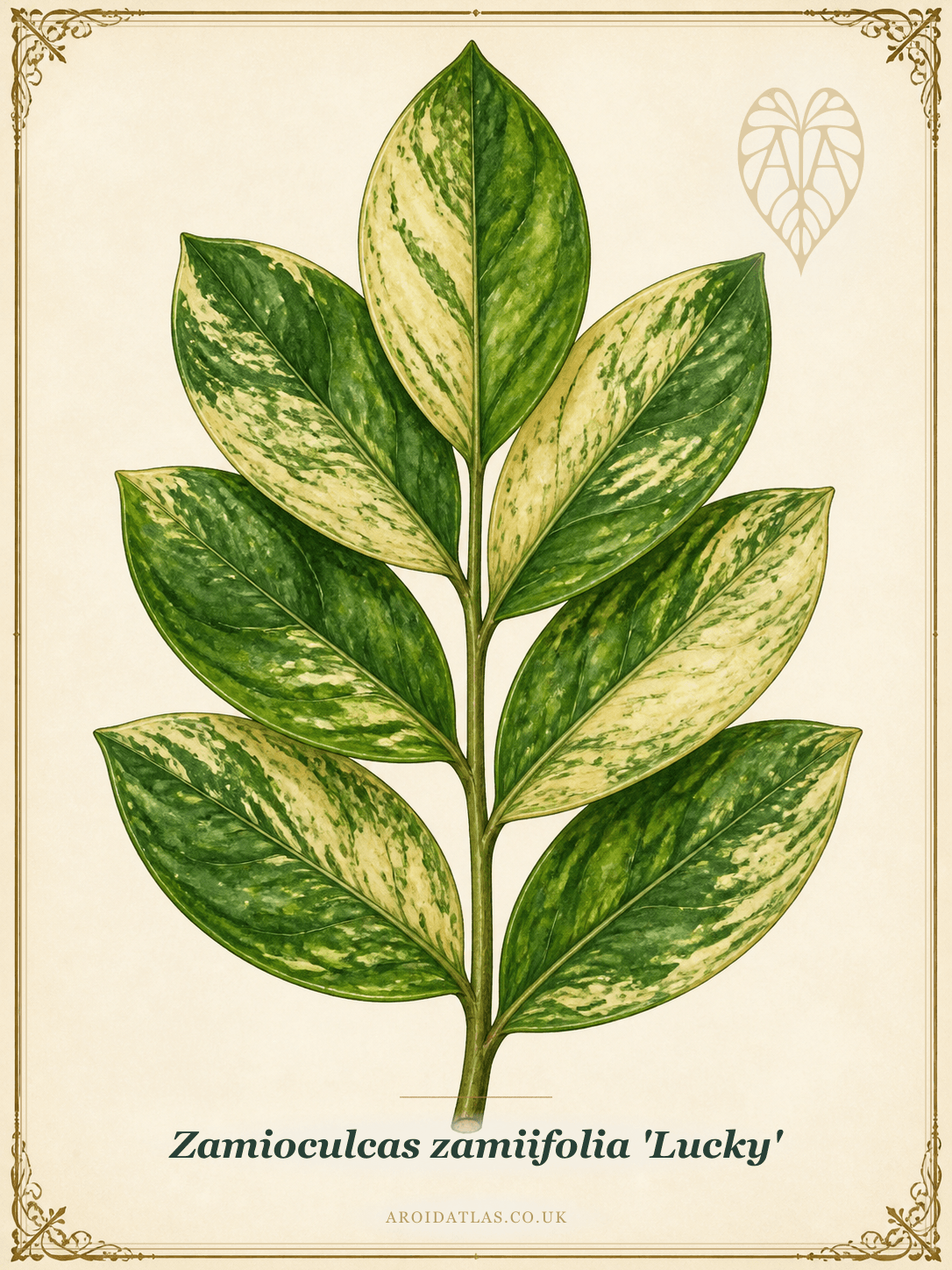
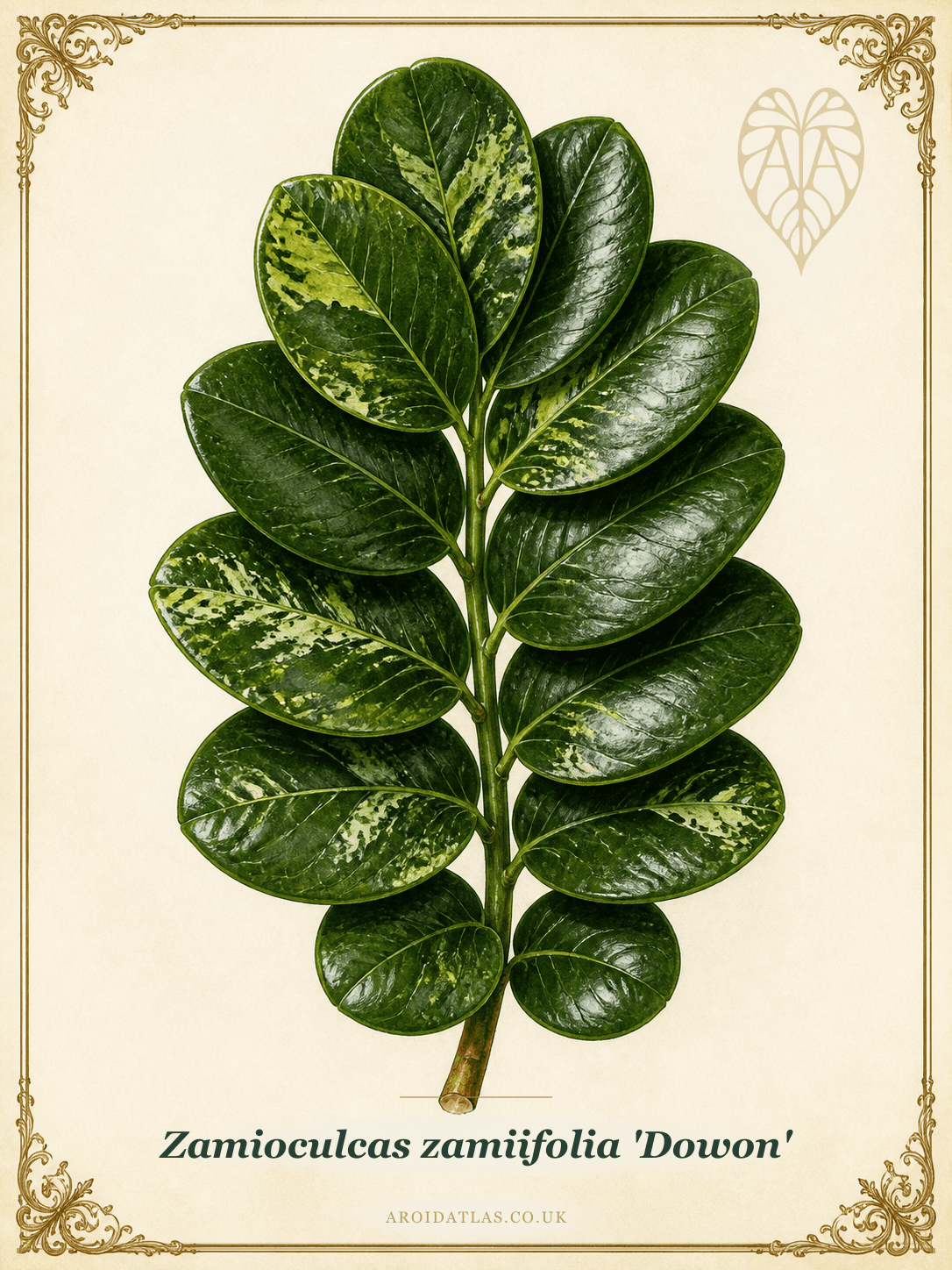

Full Specimen Plate
Zamioculcas zamiifolia
ZZ Plant
Aroid Atlas Price Guide
Select Plant Size
Pricing Data Key
Based on online retail prices, adjusted for private sales
Other colour-form prices
Zamioculcas zamiifolia Morphology
About Zamioculcas zamiifolia
The ZZ Plant is built for survival, storing water in thick rhizomes beneath the soil that let it shrug off weeks of neglect. Its glossy, dark green pinnate leaves grow in stiff upright stalks that catch the light almost like plastic foliage, which is part of why it reads as so architectural in interior spaces. Native to semi-arid regions of East Africa, it has evolved to cope with drought and low light, making it one of the most forgiving aroids available to home growers. It is slow growing but essentially indestructible, tolerating fluorescent office lighting and irregular watering schedules with ease.
Native Range
Kenya
Market Analysis
Zamioculcas zamiifolia Price Guide & Auction Value
Historical eBay auction metrics and live retailer listings updated weekly.
No eBay auction history available yet. Data is collected automatically as sales appear on eBay UK.
Before You Buy
Species-specific things to check when evaluating a listing
- Widely available and inexpensive for the plain species: be cautious of pricing implying rarity unless it's a named form like 'Raven' or 'Variegata'
- Check the base for firm, plump rhizomes rather than soft or shrivelled ones, since this is where the plant stores its water reserves
- For 'Raven' or other named colour forms, confirm the leaf colour in photos matches the specific named cultivar rather than assuming any dark ZZ Plant is 'Raven'
- Slow growth is normal for this species: don't expect rapid size increase even under good conditions
The Rhizome Is Doing the Work
What makes the ZZ Plant so hard to kill isn't really the leaves: it's the thick, water-storing rhizomes sitting beneath the soil, an adaptation to the grasslands and dry forests of its native East African range that lets the plant shrug off weeks of neglect most houseplants wouldn't survive. That's also why a ZZ Plant with visibly plump rhizomes at the base is a genuinely good sign at purchase, and a shrivelled or soft one is worth avoiding regardless of how the foliage looks above the soil. Slow growth is simply how this plant operates, not a symptom of poor care.


